Pest Control Close to Me: How to Find a Trusted Pro
You typed pest control close to me into Google because you spotted droppings in the garage, mud tubes along the foundation, or ants marching across the kitchen counter. Whatever the trigger, you want someone local who can show up fast, diagnose the problem correctly, and actually fix it instead of just spraying and leaving.
Finding a trusted pro means looking past the first three ads and checking for real signs of reliability: state licensing, years of local service, and reviews from homeowners in your own neighborhood. If termites are involved, you need a company that handles both termite pest control near me and the structural repair that follows, since killing the colony doesn't rebuild the wood they ate through.
This article walks you through exactly what separates a legitimate termite and pest control near me search result from a company that will overcharge you or miss the actual infestation. We'll cover the licensing checks, questions to ask before you book an inspection, and red flags that mean it's time to call someone else, drawing on what we've seen work for homeowners across Sacramento, Roseville, Folsom, and Elk Grove since 1999.
Why choosing a local exterminator makes a difference
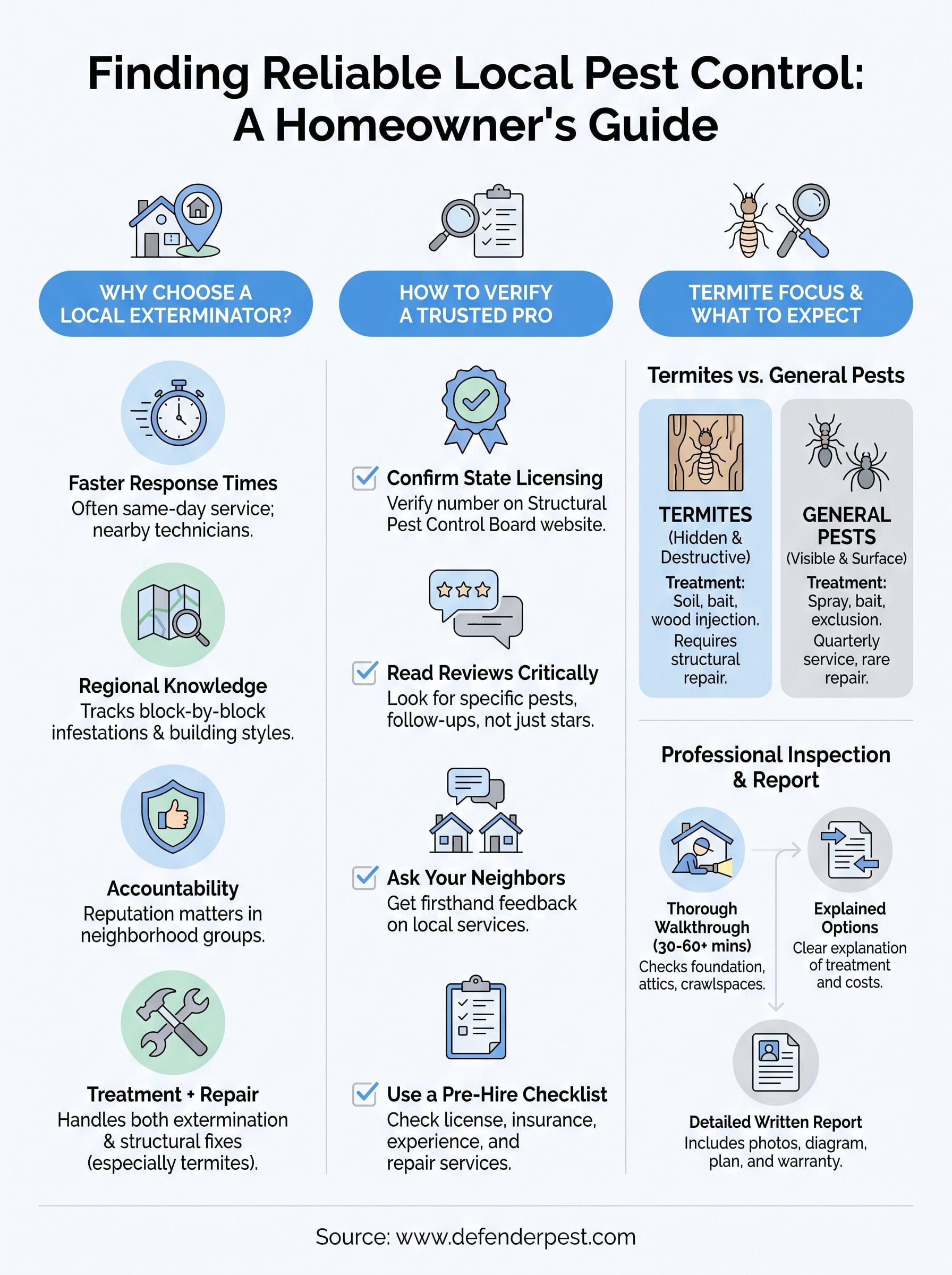
Sacramento's pest problems don't look like the ones in Phoenix or Portland. Local exterminators track infestations block by block, and that kind of granular knowledge is something a national call center simply can't replicate. When you search for pest control close to me, you're really looking for someone who already knows that your zip code has a subterranean termite problem, or that Norway rats have been showing up in Elk Grove crawlspaces this fall.
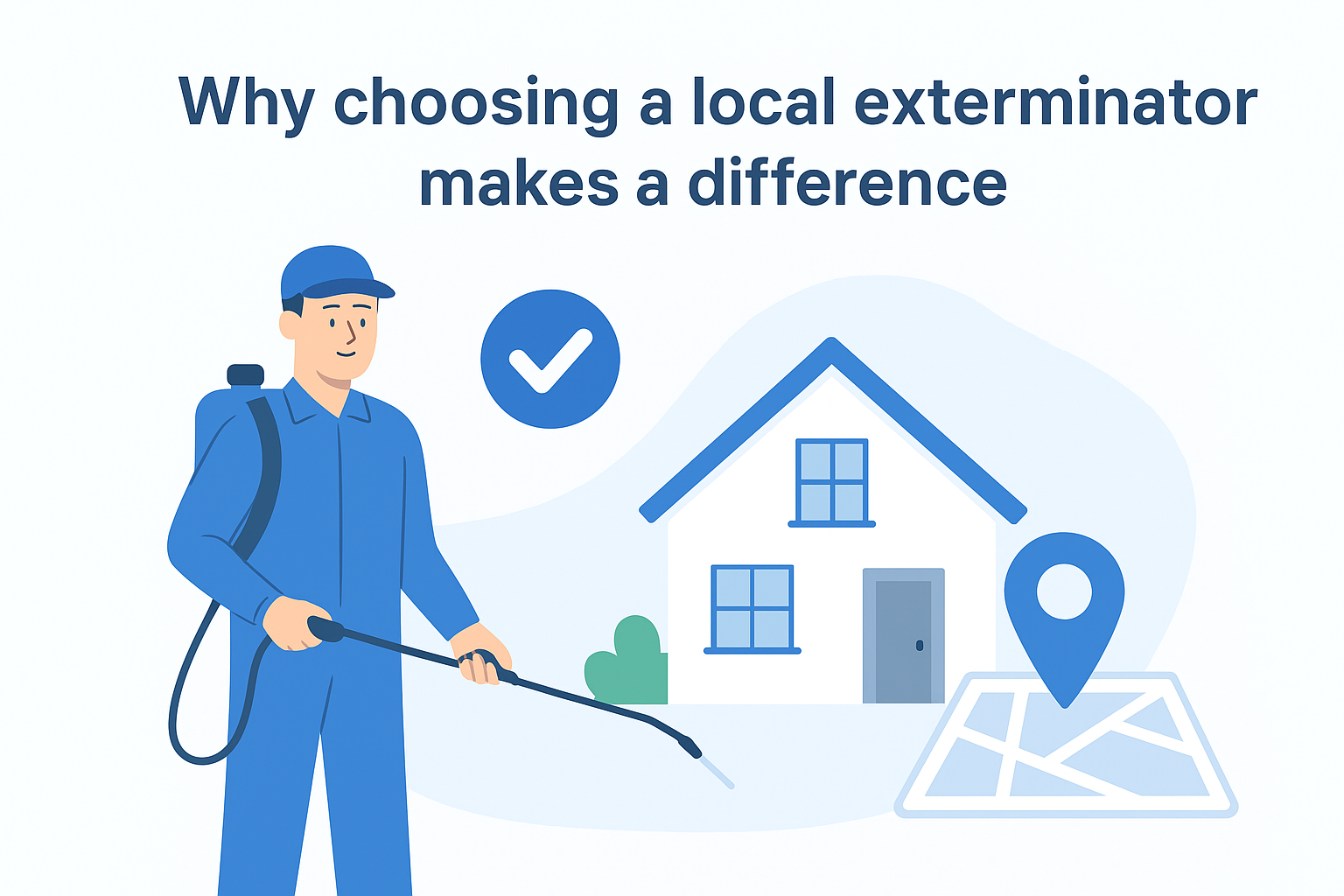
A local exterminator who knows your neighborhood's pest history will spot problems a national franchise misses entirely.
They know the regional pests and building styles
Almost every home in the Sacramento Valley sits on a slab or a raised foundation with a crawlspace, and both designs create specific entry points for termites, rodents, and moisture-loving insects. A local company has crawled under hundreds of these same foundations and knows exactly where mud tubes tend to form and where rodents chew through vent screens. National chains often rotate technicians through territories they don't know well, which means more guesswork and more callbacks.
Response time actually matters
When you find active termite damage or a rodent nest in the attic, waiting five days for a corporate scheduling system to free up a slot isn't acceptable. Faster response times come standard with a local operation because the technicians live in the same area they serve. A company based twenty minutes from your house can often get someone out same-day or next-day, especially for urgent situations like a swarm of winged termites in your living room.
Accountability follows a local reputation
A business that's been serving Sacramento, Roseville, and Folsom since 1999 has a local reputation to protect that a national brand's regional franchisee doesn't feel the same way about. If a technician cuts corners or misses an infestation, word travels through neighborhood Facebook groups and Nextdoor threads fast. That kind of accountability tends to produce more careful inspections and more honest pricing than you'd get from a company answering to shareholders three states away.
Local companies solve the whole problem
Here's where the difference really shows up: termites don't just need to be killed, the wood they damaged needs to be fixed. A local company that also does structural repair, like Defender's termite treatment and wood repair work, can walk you from inspection through treatment through rebuilding damaged joists and sill plates. National pest brands almost never touch construction work, which leaves you hunting for a second contractor and hoping the two companies agree on what actually needs fixing.
| Factor | Local Exterminator | National Chain |
|---|---|---|
| Response time | Often same-day | Scheduled through call center |
| Regional pest knowledge | Deep, block-by-block | Generalized, rotates staff |
| Termite + repair combo | Frequently offered | Rarely available |
| Accountability | Tied to local reputation | Tied to corporate policy |
When you weigh these factors together, the case for going local isn't sentimental, it's practical. You get faster service, better-informed diagnoses, and a company that has skin in the game because your neighbors are their next customers too.
How to find a trusted pest control company near you
Starting your search with pest control close to me gets you a list, not a guarantee of quality. You still need to filter that list down to companies that are licensed, insured, and actually good at their jobs. The checklist below covers what to verify before you pick up the phone to schedule anything.
Confirm licensing through the state
California requires pest control operators to hold a license through the Structural Pest Control Board, and you can verify any company's license number on the state's own Structural Pest Control Board lookup tool. A legitimate company won't hesitate to give you that number, and you should treat any hesitation as a red flag. This single check filters out unlicensed operators who show up in search results but skip the training and bonding requirements that protect you, and it helps to know how the state board verifies licenses and handles complaints.
Skip the license check and you're gambling on whether the person in your crawlspace actually knows what they're doing.
Read reviews with a critical eye
Reviews tell you more when you read the details instead of the star count. Look for mentions of specific pests, follow-up visits, and whether the company handled termite and pest control near me searches for issues similar to yours. A pattern of complaints about no-shows or upsells matters more than one bad review from years ago.
Ask around your own neighborhood
Neighbors who've dealt with the same subterranean termite colony or the same rat problem in a shared fence line often know exactly which company showed up and did the job right. Nextdoor threads and local Facebook groups surface this kind of firsthand feedback faster than any review site.
Use this checklist before you call
- Verify the license number through the state board
- Check for general liability insurance
- Look for at least 5 years of local service history
- Read reviews mentioning your specific pest problem
- Ask if they offer both treatment and repair, like Defender's termite services
Matching a company against this list takes fifteen minutes and saves you from hiring someone who's better at marketing than pest control.
What to expect during a professional pest inspection and treatment
Booking a technician for the first time can feel like an unknown, so knowing the process ahead of time helps you spot a rushed job versus a thorough one. A professional pest inspection should take real time, not fifteen minutes with a flashlight and a quick sales pitch. Whether you searched pest control close to me for ants in the kitchen or suspected termite damage in the garage, the visit should follow a similar structure from arrival to final report.
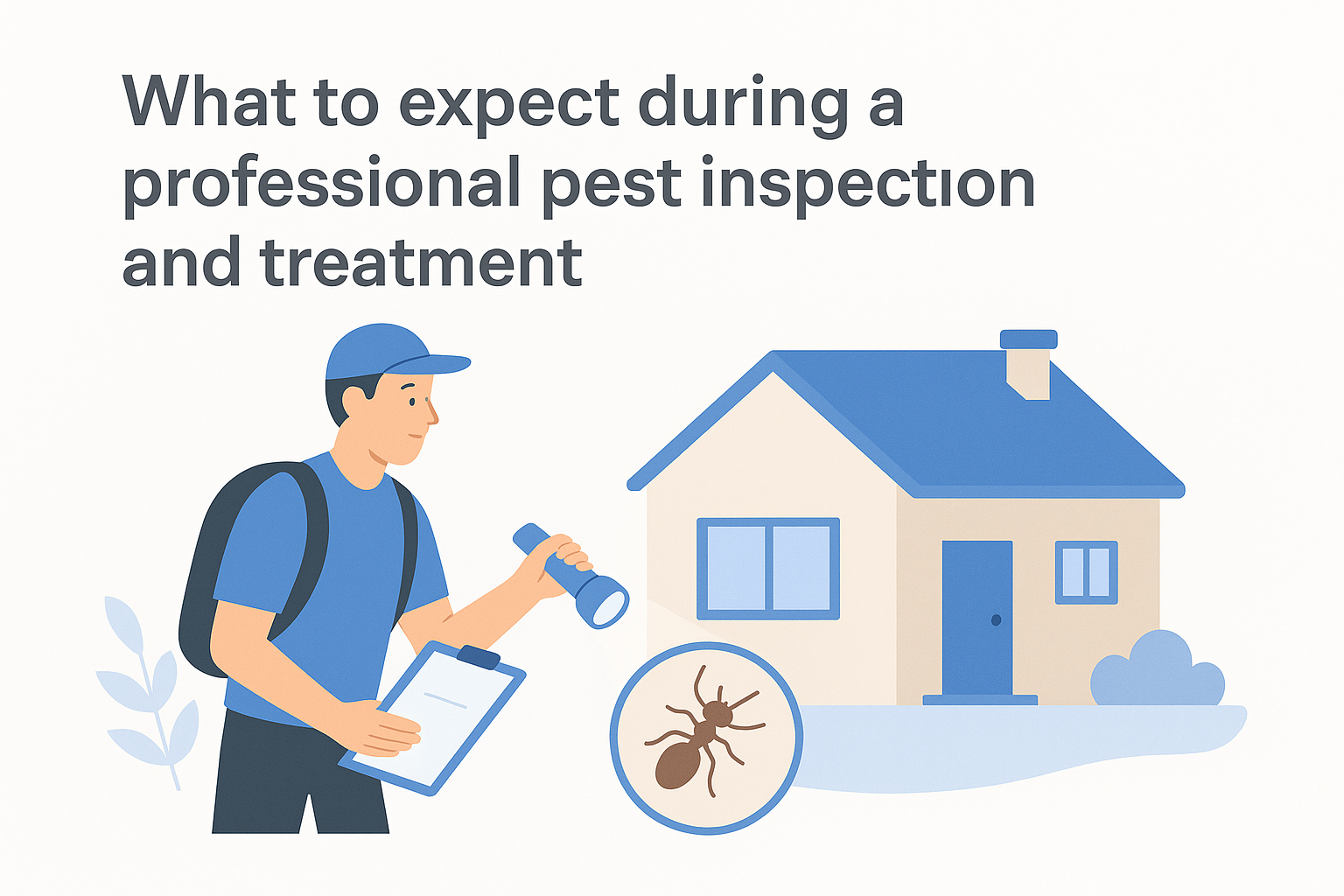
The initial walkthrough
Good technicians start outside, checking the foundation perimeter, weep holes, and any wood-to-soil contact points before ever stepping inside your home. Inside, they'll check crawlspaces, attics, plumbing penetrations, and any areas with moisture damage since that's where termites and rodents both tend to congregate. A thorough inspection typically runs 30 to 60 minutes for a standard home, longer if there's an active infestation or attic access involved.
If your inspector spends less time under your house than it takes to order a pizza, you didn't get a real inspection.
Treatment options explained
After identifying the pest and its entry points, the technician should walk you through your treatment options in plain language, not just hand you an invoice. For termites, that might mean liquid soil treatments versus bait stations, or localized wood treatments depending on the species and severity. For general pests like ants, roaches, or rodents, expect a combination of exclusion work, baiting, and targeted spraying rather than a single blanket application.
What a written report should include
A legitimate company documents what they found, not just what they treated, which is exactly what a wood-destroying organism report covers. Look for these items in your inspection report:
- Photos of damage or activity, especially in crawlspaces or attics
- A diagram or notes marking entry points and problem areas
- The specific chemicals or bait products used
- A treatment plan with expected timelines for results
- Recommendations for follow-up visits or repairs
Expect the technician to explain re-treatment intervals and any warranty coverage before you sign anything. Reputable termite programs often include annual re-inspections, so ask whether that's built into your quote or billed separately later.
Questions to ask before you hire an exterminator
Before any technician steps onto your property, a short phone call can save you from a bad hire. Asking the right questions upfront tells you whether a company treats symptoms or actually solves the problem, and it separates a business that respects your time from one that's just chasing another job off a pest control close to me search.
Ask about licensing, insurance, and experience
Every legitimate operator should answer these questions without hesitation. If a company stumbles on basic licensing questions, that's your answer right there.
- What's your Structural Pest Control Board license number?
- Are your technicians insured for property damage?
- How many years have you served this specific area?
- Do you specialize in termite issues or general household pests, or both?
A company that dodges licensing questions is telling you everything you need to know before treatment even starts.
Ask what the treatment actually involves
Getting specifics matters more than getting reassurance. Ask what chemicals or bait systems they use, whether the treatment targets the pest you actually have, and how long you should expect to wait before seeing results. Vague answers here usually mean a technician who sprays a general perimeter treatment regardless of what's actually infesting your home, which rarely solves a termite or rodent problem long term.
Ask about pricing before you commit
Having pricing in writing protects you from surprise fees after the job's already started. Request a written estimate that breaks down inspection cost, treatment cost, and any recurring service fees separately, and ask whether repairs like damaged wood or vent screens are included or billed as an add-on. Written estimates also make it easier to compare quotes from a few different companies without relying on memory or a rushed phone conversation, especially once you know what termite control typically costs.
Ask about guarantees and re-treatment
Questioning the warranty terms now avoids disputes later. Find out whether the company offers a re-treatment guarantee if pests return within a set window, and whether that guarantee covers termites specifically or just general pests. A solid service guarantee , paired with annual inspections, is one of the clearest signs you're dealing with a company that stands behind its work rather than one that disappears after cashing your check.
Termite control versus general pest control: what's the difference
Searching for pest control close to me often turns up companies that treat every pest the same way, but termites and general household pests require completely different approaches. Termites live in hidden colonies underground or inside walls, so treating them means locating the colony, not just spraying visible activity. General pest control, by contrast, deals with pests you can actually see: ants on the counter, spiders in the garage, roaches under the sink. Knowing which category your problem falls into changes what kind of technician and treatment plan you actually need.
Treating termites like a general pest problem is why colonies survive and keep eating your framing.
Why termite treatment requires specialized expertise
Because termite colonies can number in the hundreds of thousands and stay hidden for years, termite treatment demands soil treatments, bait station monitoring, or localized wood injections rather than a quick surface spray. A technician handling termites needs training in identifying species, since subterranean and drywood termites each respond to different products and placement strategies. This is also where the construction side matters: once the colony's gone, someone still has to repair the joists, sill plates, or subfloor the termites hollowed out, which is why Defender pairs its inspections with actual wood repair services.
What general pest control covers
General pest programs handle the pests homeowners deal with year-round: ants, spiders, roaches, earwigs, and occasional rodents. These treatments usually involve perimeter spraying, baiting, and exclusion work like sealing gaps around doors and utility lines. Recurring service plans for general pests typically run quarterly, since populations rebuild faster than a termite colony would, though how often pest control should be done depends on your home.
| Factor | Termite Control | General Pest Control |
|---|---|---|
| Target | Hidden colonies in wood/soil | Visible surface pests |
| Treatment type | Soil, bait, wood injection | Spray, bait, exclusion |
| Frequency | Annual inspection, multi-year plans | Quarterly service |
| Repair needed | Often, structural wood damage | Rarely |
Understanding this split matters when you're comparing quotes, since a company that only offers general spraying isn't equipped to solve a termite pest control near me search, no matter how fast they answer the phone.
Finding the right fit for your home
Your search for pest control close to me should end with a company you'd actually recommend to a neighbor, not just the first result that showed up. Licensing, local reputation, and a track record of solving termite problems and rebuilding what they damaged all matter more than a flashy ad or a rock-bottom quote. You've now got the checklist, the questions, and the red flags to tell a rushed sales pitch from a thorough inspection done by someone who knows your foundation type and your neighborhood's pest history.
Sacramento homes deserve technicians who've crawled under hundreds of them, not a rotating cast from a call center. If you're dealing with active termite damage, rodents, or a recurring ant problem anywhere from Roseville to Elk Grove, book a free inspection through Defender's Sacramento home pest control services and get a straight answer about what's actually going on in your house.