How Long Does A Termite Inspection Take? Timeline & Steps
You scheduled a termite inspection, now you want to know how long does a termite inspection take so you can plan your day around it. The short answer: most inspections run between 30 minutes and two hours, depending on the size of the property and how accessible the structure is to the inspector.
But that time range only tells part of the story. A 20-minute walkthrough should raise red flags, just like a four-hour visit on a small condo might signal inefficiency. Knowing what actually happens during each phase of the inspection helps you judge whether the work is thorough , or whether corners are being cut.
At Defender Termite & Pest Management, we've been performing termite inspections across the Greater Sacramento area since 1999 . In this guide, we'll break down the typical inspection timeline step by step, explain the factors that stretch or shorten that window, and give you a clear picture of what a complete inspection looks like from start to finish.
Average termite inspection time ranges
When people ask how long does a termite inspection take , the honest answer depends on several variables, but most inspections fall somewhere between 30 minutes and two hours . That range is wide on purpose. A small apartment inspected by an experienced technician can wrap up in under an hour, while a large two-story home with a crawl space and multiple outbuildings can push well past the 90-minute mark. Knowing the general benchmarks helps you spot an inspection that is either too fast to be reliable or dragging for no clear reason.
A thorough inspection of a typical 2,000-square-foot home generally runs between 45 minutes and 90 minutes from first walkthrough to final notes.
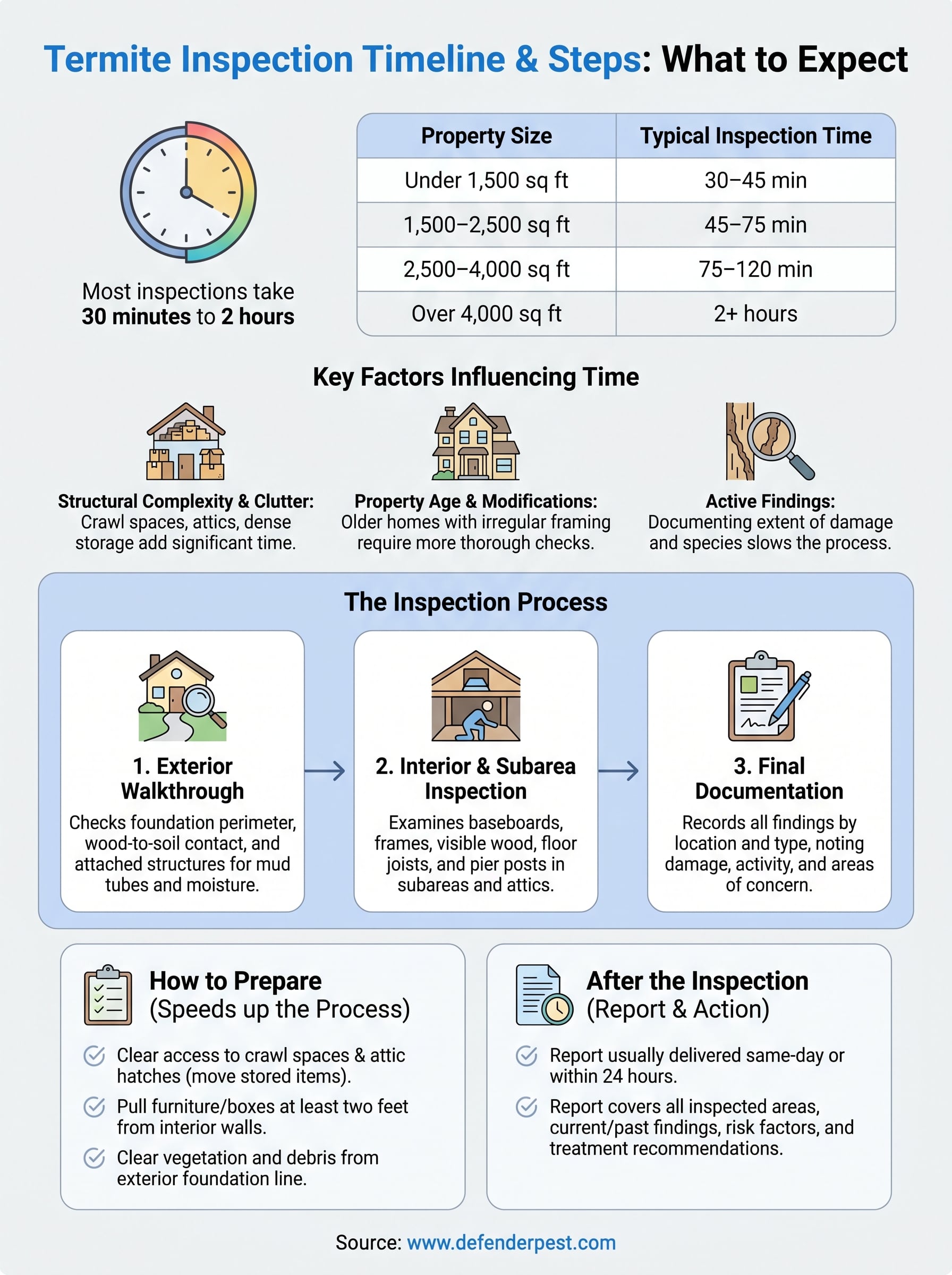
The table below gives you a practical reference based on property size:
| Property Size | Typical Inspection Time |
|---|---|
| Under 1,500 sq ft (condo, small home) | 30–45 minutes |
| 1,500–2,500 sq ft (standard single-family) | 45–75 minutes |
| 2,500–4,000 sq ft (larger single-family) | 75–120 minutes |
| Over 4,000 sq ft or multi-unit | 2+ hours |
Why size is only part of the equation
Property size gives you a starting point, but structural complexity matters just as much as square footage . A 1,200-square-foot home with a full crawl space, dense landscaping against the foundation, and multiple attached structures can take longer to inspect than a 2,500-square-foot slab-on-grade home where every area is easy to access. Inspectors need to physically enter and evaluate every zone where termites are known to travel: attics, subfloor spaces, garages, wall voids, and the full exterior perimeter.
Your home's age adds another layer. Older properties often carry more add-ons, structural irregularities, and accumulated clutter that require a closer look and slow down a methodical inspection. A house built in the 1950s with several remodels is going to take more time than a newer build with a clean, open floor plan and straightforward access points.
What a rushed inspection should tell you
Not all inspection windows are created equal. An inspector who finishes a 2,500-square-foot home in 15 minutes has not completed a thorough review. Termites, especially subterranean species, can stay active in areas that are easy to skip, including deep inside wall cavities, behind drywall, and within load-bearing wooden members that are rarely visible without deliberate effort.
If your inspection feels rushed, it is entirely reasonable to ask which specific areas were checked and to request a written summary of findings. A qualified inspector will walk you through the results without hesitation.
What happens during a termite inspection
Understanding what happens step by step gives you a baseline for evaluating how long does a termite inspection take on your specific property. A qualified inspector follows a structured sequence , moving from the outside of your home inward and checking every area where termites are known to travel or nest.
Exterior walkthrough
The inspector starts outside, examining the full perimeter of your foundation for mud tubes, wood-to-soil contact, and moisture damage along the base of the structure. They also check attached structures like fences, decks, and garage walls, since wood debris or dense vegetation near the foundation can signal active termite activity or create direct access points into the home.
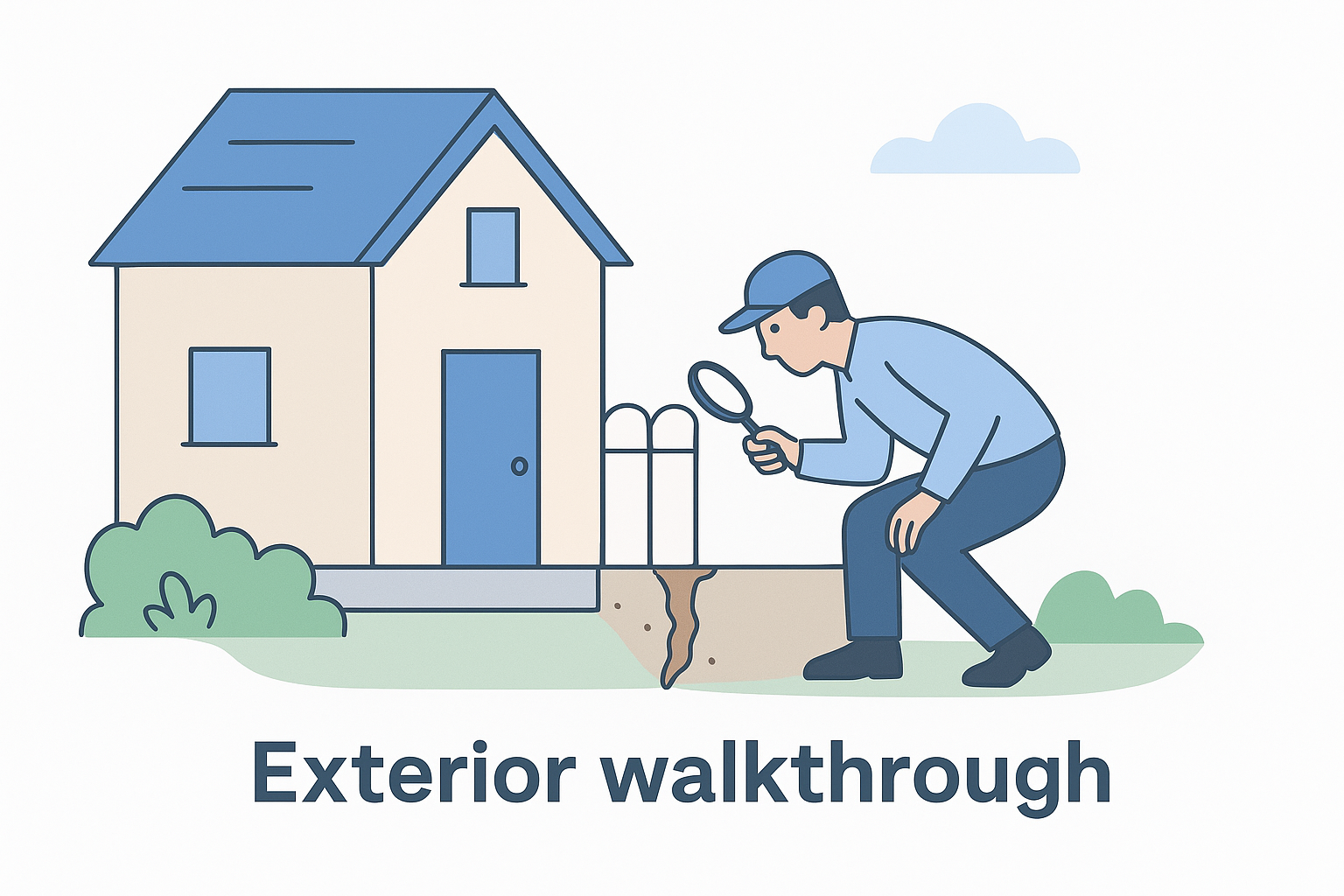
Mud tubes along the foundation are one of the clearest signs of subterranean termite activity and should never be skipped during an exterior review.
Interior and subarea inspection
Inside the home, the inspector checks baseboards, window frames, door frames, and visible wood members for signs of damage, frass, or discoloration. If your property has a crawl space, the inspector will physically enter it to examine floor joists, beams, and pier posts for active infestation or prior structural damage. Attic access is also part of a thorough review, particularly in older homes where roof framing is exposed and easier to assess.
Final documentation
Once the walkthrough is complete, the inspector records all findings , noting the location, type, and extent of any damage or activity observed. Your written report covers every area that was inspected , what was found in each zone, and any areas of concern that warrant treatment, further monitoring, or structural repair.
What can make an inspection take longer
Even within the same property size bracket, certain conditions add meaningful time to the process. Understanding these factors helps you set realistic expectations for how long does a termite inspection take at your specific address, and lets you see why two homes of similar square footage can produce very different inspection windows.
Hard-to-reach areas and access issues
Tight crawl spaces, cluttered attics, and dense storage rooms all slow an inspector down significantly. When a technician physically cannot access a zone, they either have to work around the obstruction or note it as uninspected in the report. Neither outcome is ideal. If your attic access hatch is blocked by stored boxes, or your crawl space entrance is covered by equipment, the inspector will spend extra time clearing the path or documenting the limitation before continuing.
Blocked access points are one of the most common reasons a straightforward inspection stretches past the expected timeframe.
Property age and structural complexity
Older homes tend to take longer because accumulated remodels, irregular framing, and original construction techniques create more zones to evaluate. A house with multiple additions, partial basement sections, and varied floor heights requires the inspector to shift approach as they move through the structure. Each transition takes time.
Active findings also extend the inspection. When an inspector locates mud tubes, frass, or visible structural damage, they stop to document the precise location, measure the extent of affected material, and note the likely species involved. That documentation step is not optional; it is what makes the final report useful to you.
How to get your home ready for the inspector
A little preparation before the inspector arrives directly affects how long does a termite inspection take at your property. When key areas are accessible and the inspector can move through the structure without interruption, the entire process runs faster and produces a more complete report.
Clear access to key areas
Your inspector needs to physically enter every zone where termites commonly travel, and blocked access is the single most preventable cause of a longer or incomplete inspection. Before the appointment, take 15 to 20 minutes to address the following:
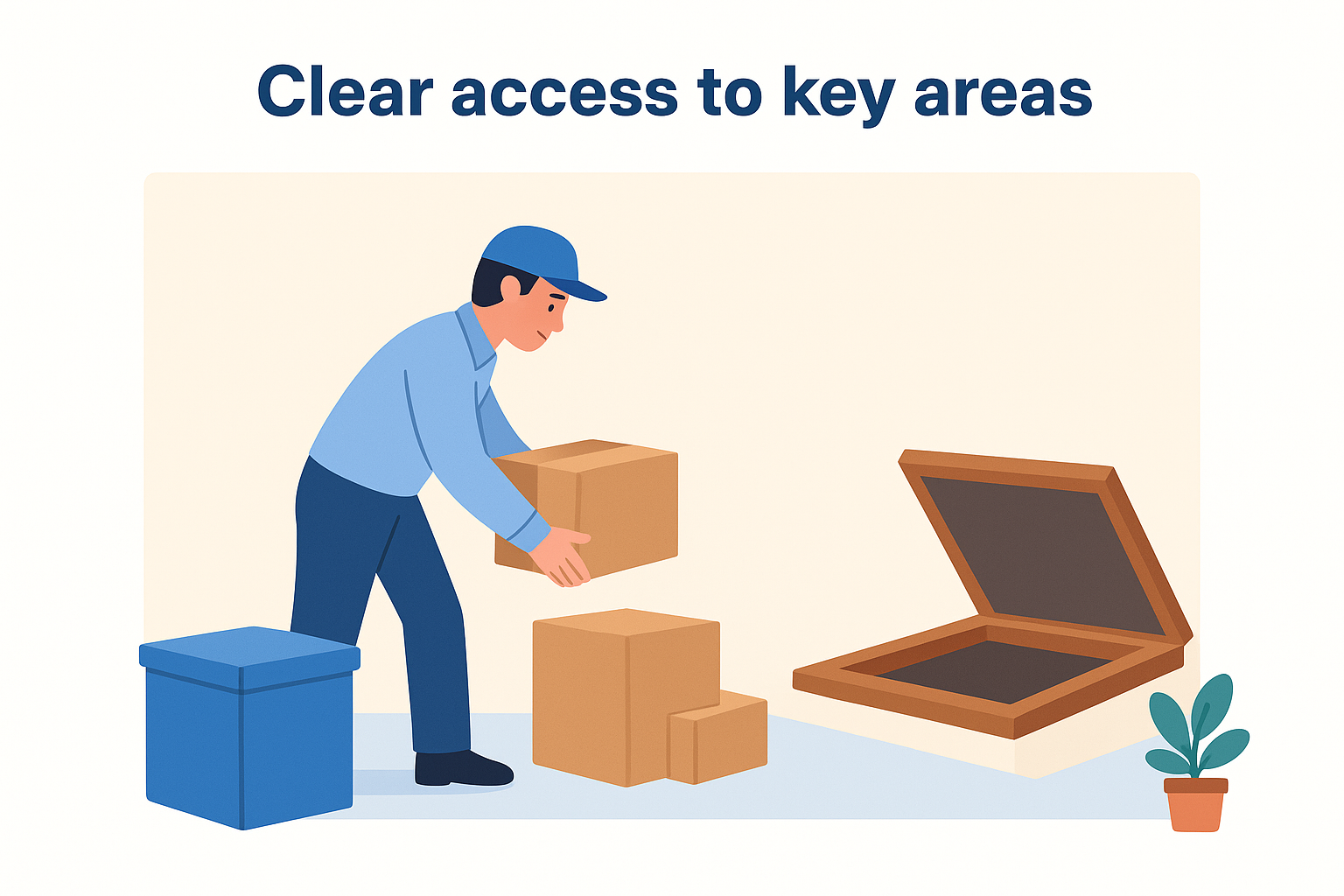
- Move stored items away from the crawl space entrance and attic hatch
- Pull boxes, furniture, or equipment at least two feet away from the interior perimeter walls
- Clear vegetation, wood piles, and debris from the exterior foundation line
- Unlock gates, storage rooms, and any outbuildings included in the inspection scope
The more accessible your property is, the more complete the findings in your final report will be.
Share what you already know
If you have noticed anything unusual before the inspector arrives, bring it up at the start of the appointment. Soft spots in the flooring, discolored baseboards, and visible mud tubes are all worth pointing out, even if you are not sure what caused them. Sharing that information lets the inspector prioritize those areas first and spend more time in zones where activity is most likely. You do not need to diagnose the problem yourself; pointing the technician toward areas of concern is enough to help them conduct a more targeted review.
After the inspection: report, next steps, timing
Once the inspector finishes the walkthrough, the work does not stop there. The written report is the most actionable document you will receive from the visit, and understanding what it contains helps you make decisions quickly. Knowing how long does a termite inspection take is only part of the picture; what follows the inspection determines your actual path forward , whether that is treatment, monitoring, or structural repair.
What your report covers
Your report documents every area that was examined , along with any evidence of current infestation, prior damage, or conditions that increase your risk. A complete report separates findings by location and identifies the likely species involved. Subterranean termite activity near the crawl space , for example, will be listed separately from any drywood termite damage found in the attic framing, giving you a clear zone-by-zone picture of the structure's condition.
A thorough report gives you location-specific findings, not a single vague summary, so you know exactly where problems exist and where the structure is clear.
Timeline for receiving your report and acting on it
Most inspectors deliver your written report on the same day or within 24 hours of the completed walkthrough. If active infestation is confirmed, your inspector will outline recommended treatment options and the urgency level of each , so you can prioritize based on the severity of the findings. For real estate transactions, the report often feeds directly into negotiation timelines, so receiving it promptly matters.
Conditions like wood-to-soil contact or excessive moisture are risk factors worth correcting even when no active infestation is found. Your report will flag those concerns so you can address them before they create a more serious problem.
Final takeaways
How long does a termite inspection take comes down to property size, structural complexity, and how accessible the key areas are when the inspector arrives. Most homes fall in the 30-minute to two-hour range , with a typical single-family property landing somewhere around 45 to 90 minutes when the inspection is done thoroughly. A rushed visit that skips crawl spaces or the exterior perimeter is not saving you time; it is leaving gaps in your findings.
Preparing your home beforehand, sharing any observations you have already made, and reviewing your written report carefully are all steps that put you in a better position after the inspection is complete. Knowing what was inspected and what was found gives you the information you need to act decisively. If you are ready to schedule a thorough inspection with an experienced local team, contact Defender Termite & Pest Management to get started.