What Is A WDO Inspection? What It Covers And Why It Matters
If you're buying or selling a home in Northern California, there's a good chance someone, your lender, your real estate agent, or the buyer on the other end, will ask for a WDO inspection . WDO stands for Wood Destroying Organism, and this inspection looks for evidence of termites, beetles, fungi, and other organisms that compromise the structural integrity of a property. It's not just a formality. It's one of the most important steps in protecting what is likely your largest investment.
At Defender Termite & Pest Management, we've been performing WDO inspections across the Greater Sacramento area since 1999. Our team sees firsthand how these inspections uncover damage that homeowners and buyers never knew existed, damage that, left unchecked, leads to costly structural repairs down the road.
This article breaks down exactly what a WDO inspection covers, how the process works, what shows up on the final report, and why it matters whether you're on the buying or selling side of a transaction.
What a WDO inspection covers
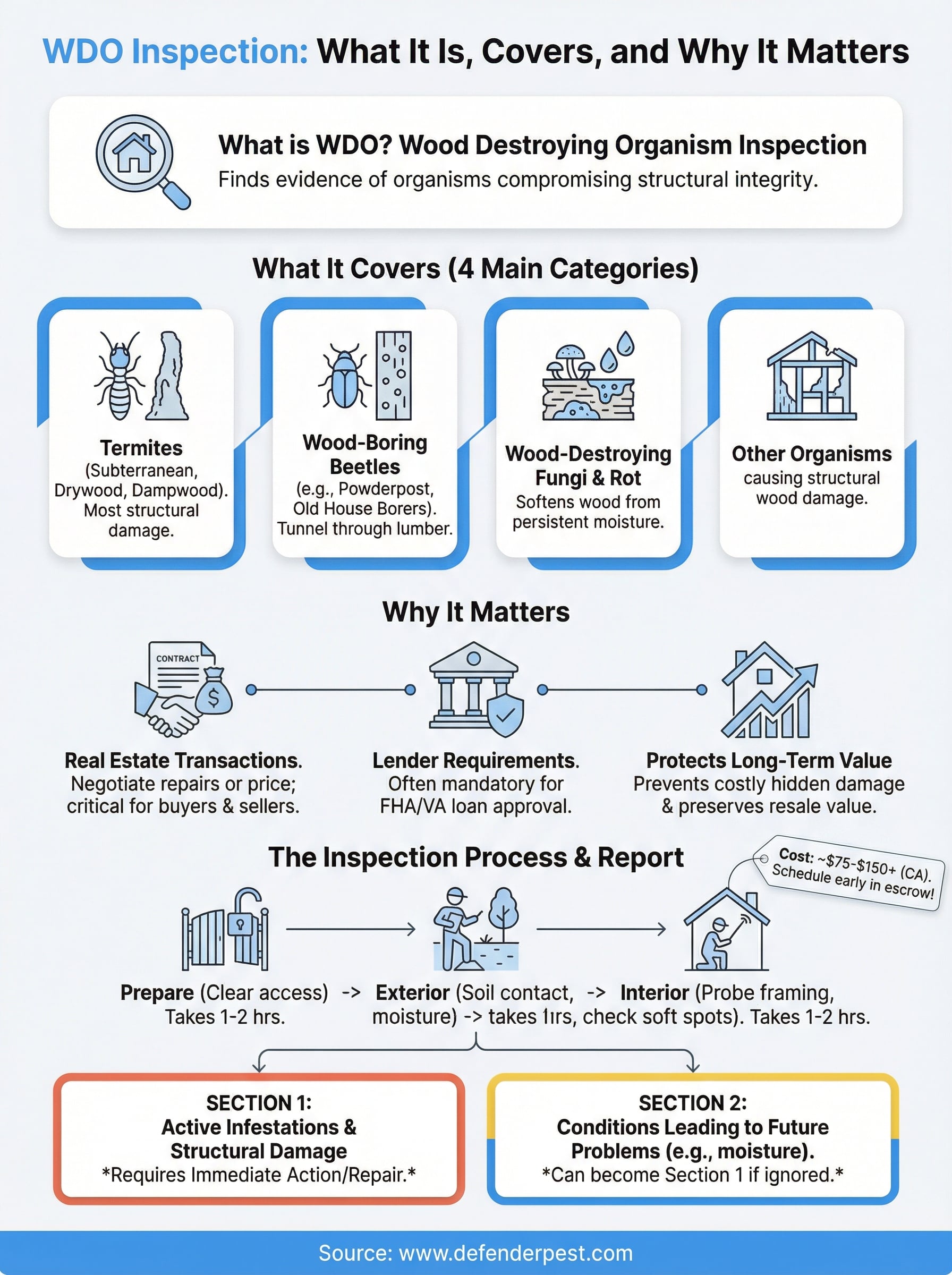
A WDO inspection examines your property for four main categories of wood-destroying organisms: termites, wood-boring beetles, wood-destroying fungi, and other organisms that cause structural wood damage. When you understand what is a wdo inspection at its core, you see that it goes well beyond a basic termite check. A licensed inspector evaluates both visible and accessible areas of your home, including the foundation, crawl spaces, attic, exterior framing, and any attached structures like decks.
Wood-destroying insects
Termites are the most well-known culprits, but they are not the only insects an inspector looks for. Subterranean termites build mud tubes from the soil up into your home's framing, while drywood termites nest inside the wood itself and leave behind pellet-like frass. Wood-boring beetles tunnel through structural lumber and can go completely undetected for years. Inspectors look for exit holes, frass deposits, and live activity to determine whether an infestation is active or historical.
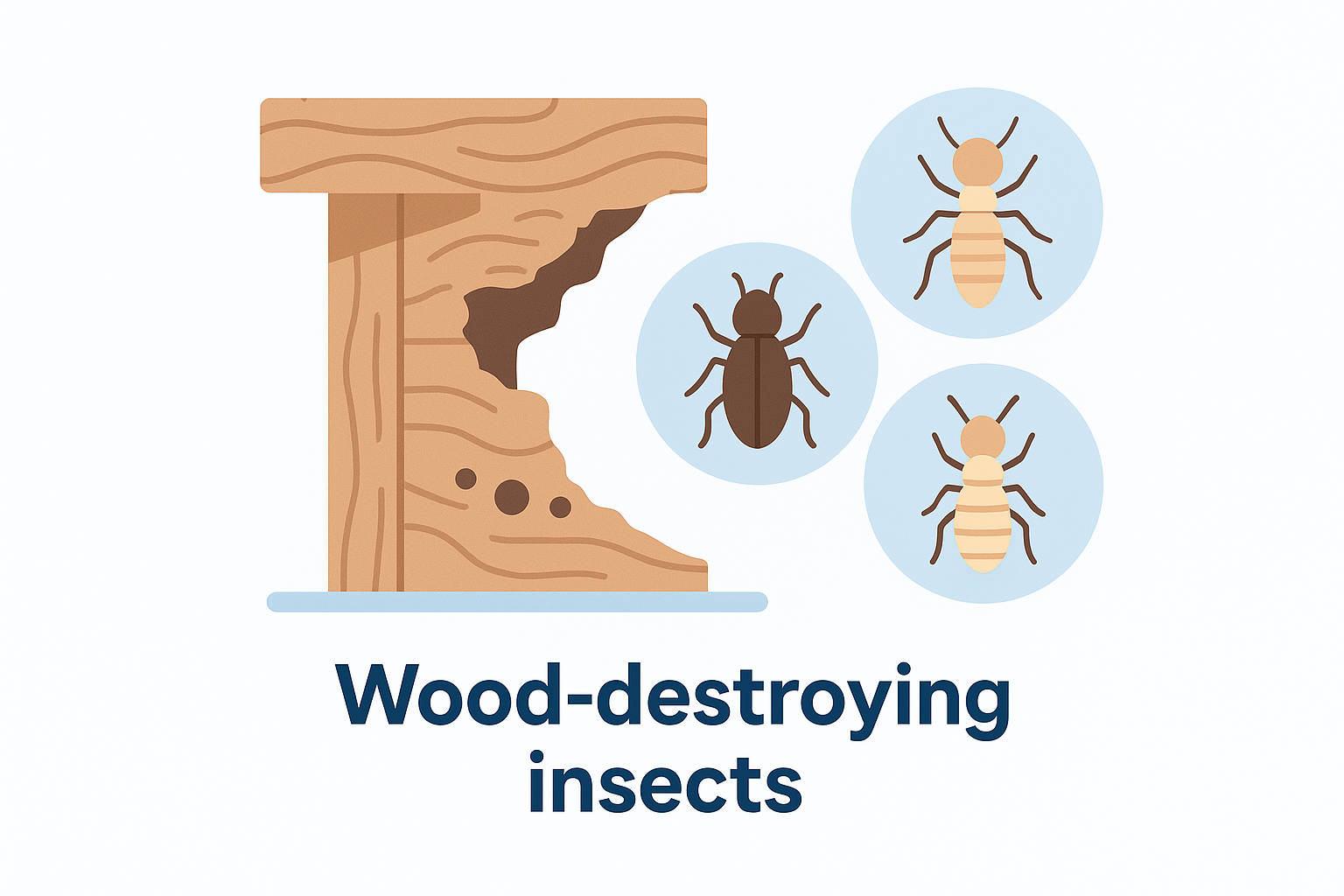
Common wood-destroying insects your inspector checks for:
- Subterranean termites
- Drywood termites
- Dampwood termites
- Powderpost beetles
- Old house borers
Subterranean termites cause more structural damage to U.S. homes than any other wood-destroying organism, which is why they remain the primary focus of most WDO inspections.
Wood-destroying fungi and wood rot
Fungi thrive wherever wood stays consistently damp . The two types that appear most often in WDO reports are wood-decay fungi, which break down structural wood fibers until the wood becomes soft and unable to bear load, and fungal staining, which signals moisture intrusion even before visible decay has set in.
Your inspector pays close attention to areas near plumbing, windows, exterior siding, and subfloor framing where moisture accumulates. If they find active fungal growth or conditions that support it, both get documented in the final report.
Why WDO inspections matter for homes and real estate
WDO inspections matter because wood-destroying organisms cause damage that hides until it becomes a serious structural problem . Both buyers and sellers face real consequences when infestations or wood rot surface after a deal closes.
Real estate transactions and lender requirements
Many lenders, particularly those backing FHA and VA loans , require a WDO inspection before they approve financing. The inspection report gives all parties a clear picture of the property's condition before any money changes hands.
Depending on what the report finds, you may be able to:
- Request the seller complete repairs before closing
- Negotiate a price reduction to cover remediation costs
- Walk away from the deal if damage is too extensive
Protecting long-term property value
Understanding what is a wdo inspection also means recognizing its role in long-term asset protection . Wood-destroying organisms don't stop once you move in, so catching problems early keeps repair costs manageable for years ahead.
Skipping a WDO inspection to save a few hundred dollars can cost you thousands in repairs if hidden damage surfaces after closing.
Your property's resale value depends on its condition at sale time. A documented inspection history signals to future buyers that the home has been properly maintained .
What happens during a WDO inspection
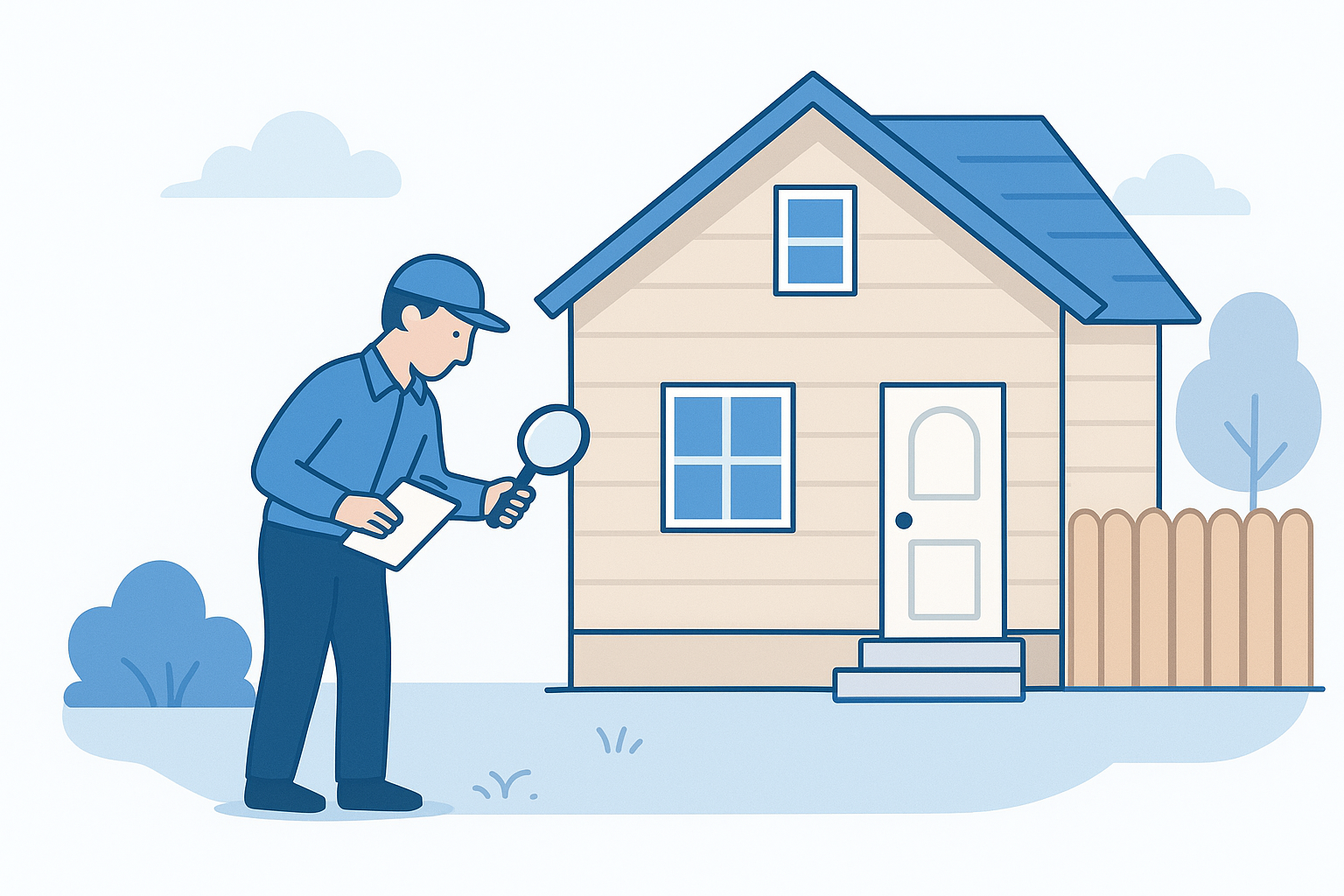
Part of understanding what is a wdo inspection is knowing how the process actually unfolds on inspection day. A licensed inspector arrives at your property and conducts a systematic walkthrough of all accessible areas , both inside and outside. The process typically takes between one and two hours, depending on the size and layout of the home. Giving the inspector clear access to your attic, crawl space, and garage before the appointment speeds things up considerably.
The exterior inspection
The inspector starts outside, checking your foundation perimeter, exterior siding, fences, decks, and any wood that contacts soil . Soil-to-wood contact is one of the most common entry points for subterranean termites, so this step gets thorough attention. They also look for moisture-prone conditions like leaking gutters, damaged flashing, and wood sitting close to sprinkler systems.
The interior inspection
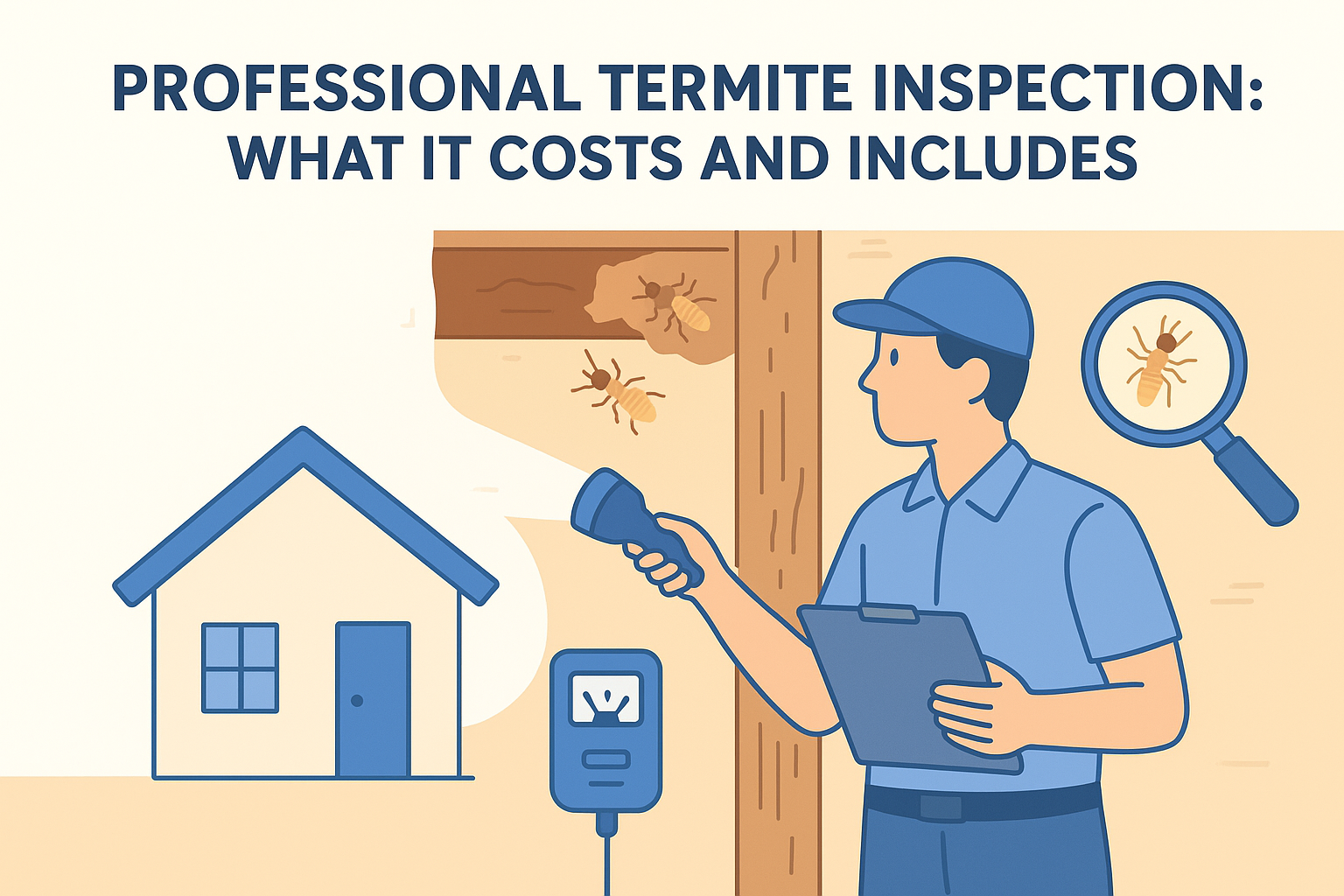
Inside, the inspector moves through accessible crawl spaces, attics, garages, and visible framing . They use tools like moisture meters and probes to test wood that looks or feels compromised. Soft spots, discoloration, and hollow sounds under probing are all signs that get flagged for the report.
Inspectors can only document areas they can physically access, so clearing clutter from crawl spaces and attics before the appointment gives you a more complete picture of your property's condition.
What the WDO report includes and how to read it
Once the inspector finishes, they hand you a written report that documents everything they found during the walkthrough. Most reports in California follow a standardized format and divide findings into two clear categories: Section 1 items, which require immediate treatment or repair, and Section 2 items, which cover conditions that are likely to lead to infestation or damage if you leave them unaddressed.
Section 1 vs. Section 2 findings
Section 1 findings cover active infestations and existing structural damage that need attention right now. Section 2 findings flag conditions like excessive moisture or wood-to-soil contact that don't yet show visible damage but create the right environment for future problems. Understanding this distinction is central to knowing what is a wdo inspection actually telling you about the property's condition.
Lenders and buyers typically prioritize Section 1 findings since they represent the most immediate financial risk. Your real estate agent or lender can help you determine whether to request repairs from the seller or adjust the purchase price to account for remediation costs before closing.
Section 2 items may not block a sale, but leaving them unaddressed often turns them into Section 1 problems within a few years.
Cost, timing, and how to prepare for the inspection
Knowing what is a wdo inspection costs and when to schedule one helps you avoid delays in your transaction. In California, WDO inspections typically run between $75 and $150 for a standard single-family home, though larger properties may cost more.
Cost and timing
Schedule your inspection as soon as escrow opens , not after the appraisal comes back. Waiting until the last minute leaves you with little room to negotiate if Section 1 findings require professional treatment before closing.
Booking your WDO inspection within the first week of escrow gives you the most time to act on what the report finds.
For most standard purchases, the buyer covers the inspection fee , though your purchase agreement may specify otherwise. In FHA and VA loan transactions, lender requirements often dictate when and how the inspection gets ordered.
How to prepare your home
Giving the inspector full, unobstructed access is the single most important step before they arrive. The more the inspector can reach, the more complete your final report will be.
Before the appointment, make sure these areas are clear and unlocked:
- Attic and crawl space entry points
- Garage and interior subfloor access panels
- Exterior outbuildings or storage sheds with wood framing
What to do next
Now that you understand what is a wdo inspection and what it covers, the next step is straightforward: schedule one before you need it. Whether you're entering escrow, preparing to list your home, or simply want a clear picture of your property's condition , booking an inspection early gives you time to act on whatever the report finds rather than scrambling at the last minute.
If active infestations or damage do come up in your report, professional treatment and repair should happen before the problem spreads further. Putting it off rarely saves money; it usually does the opposite.
For homeowners and buyers in the Greater Sacramento area , Defender Termite & Pest Management has handled WDO inspections and termite treatments since 1999. Our licensed inspectors know the pest pressures specific to Northern California and deliver an honest, detailed report every time. Request a WDO inspection with Defender Termite & Pest Management and go into your next transaction with confidence.