How To Prevent Fleas In The House: 5 Tips That Really Work
Fleas are one of those pests that seem to appear out of nowhere, and once they're inside, they multiply fast. A single flea can lay up to 50 eggs per day , and those eggs fall into carpet fibers, furniture cushions, and pet bedding where they're nearly impossible to spot. If you've been wondering how to prevent fleas in the house , you're already thinking the right way. Prevention is far easier than dealing with a full-blown infestation.
At Defender Termite & Pest Management, we've helped Sacramento-area homeowners deal with every stage of flea problems since 1999, from early warning signs to serious infestations that need professional treatment. We know what works because we've seen what happens when prevention gets skipped .
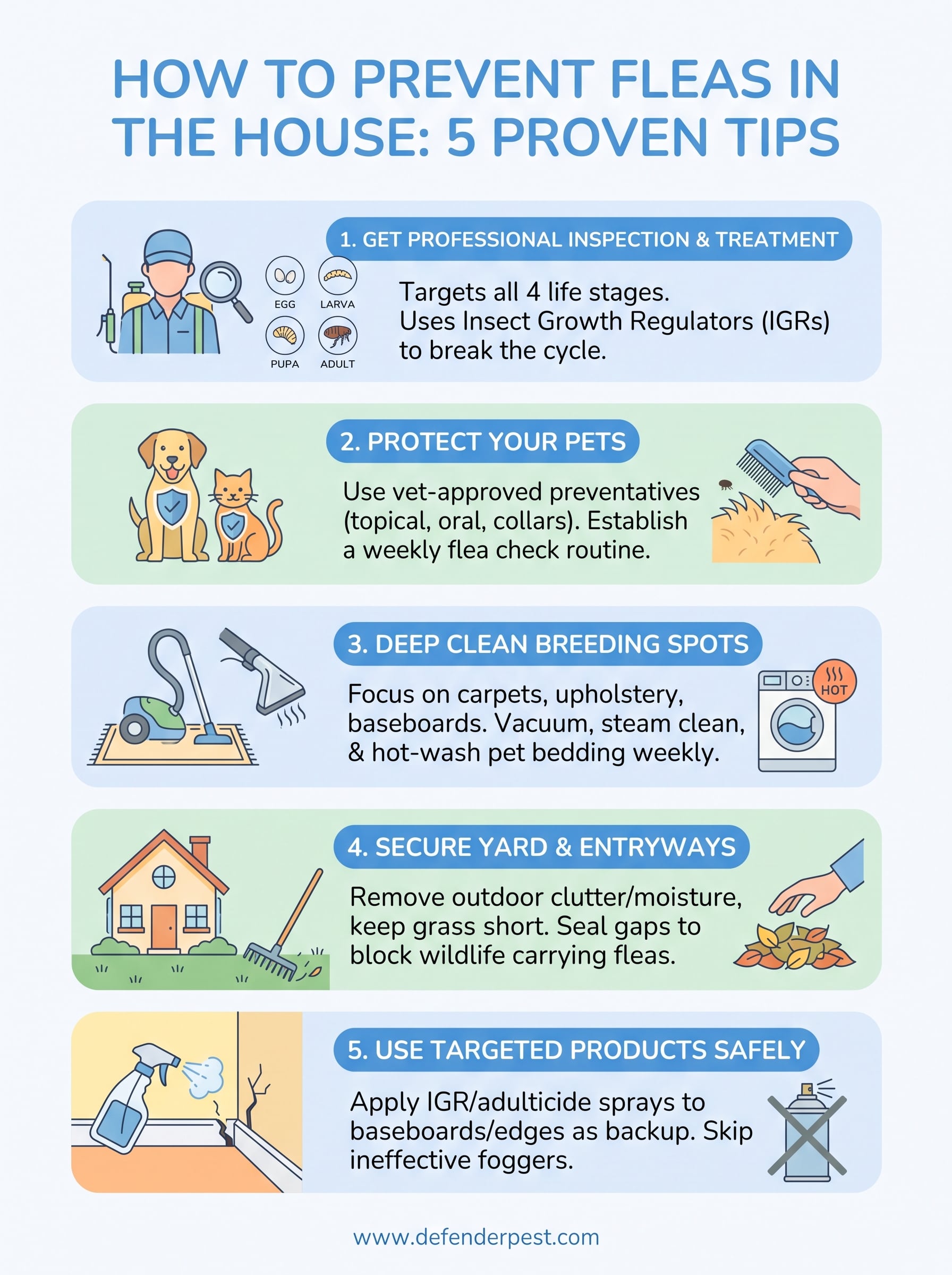
This article breaks down five practical, proven tips to keep fleas out of your home. These aren't generic suggestions, they're the same strategies we recommend to our customers and the steps that actually make a difference before fleas get a foothold. Let's get into it.
1. Get a professional flea inspection and treatment
The fastest way to break a flea cycle is to call a licensed pest control professional. DIY products rarely reach all life stages , and without targeting eggs and larvae alongside adults, the infestation bounces back within weeks.
How a pro stops the full flea life cycle
A professional treatment targets all four flea life stages : egg, larva, pupa, and adult. Technicians apply insect growth regulators (IGRs) alongside adulticides, which stops new eggs from developing into biting adults. That combination is what separates professional treatment from anything you'll find on a store shelf.
What to expect from a home flea service visit
Your technician will inspect high-activity zones like carpets, baseboards, upholstered furniture, and pet resting areas before applying targeted treatments. They'll use professional-grade products unavailable in retail stores.
A thorough inspection lets the technician treat where fleas are actually breeding, not just where you see adults jumping.
Expect the visit to take one to two hours depending on your home's size and how widespread the problem is.
How to prep your home before treatment
Preparation directly affects how well the treatment works. Before your appointment:
- Vacuum all floors, furniture, and pet areas thoroughly
- Wash pet bedding in hot water and dry on high heat
- Clear clutter from floors so every surface is accessible
- Remove pets and people from the treated space during and immediately after application
How long it takes to see results and prevent reinfestation
Most homeowners see a significant drop in adult flea activity within 24 to 72 hours . Pupae can survive initial treatment and emerge over the next two to three weeks, so some continued activity during that window is normal, not a sign the treatment failed.
When to call Defender Termite & Pest Management
If you want to know how to prevent fleas in the house before a small problem becomes a serious one, a professional inspection is the right starting point . Defender Termite & Pest Management serves the Sacramento area and can evaluate your specific situation quickly.
2. Keep pets protected so fleas never get established
Pets are the most common entry point for fleas in any home. Dogs and cats pick up fleas outdoors, at dog parks, or from contact with other animals. Knowing how to prevent fleas in the house starts with protecting the animals already living in it .
Choose the right flea prevention for your pet
Talk to your vet about monthly topicals, oral preventatives, or veterinarian-recommended flea collars suited to your pet's size and health history. Not all retail products offer the same protection, so a vet recommendation matters here.
Build a simple weekly flea check routine
Run a fine-tooth flea comb through your pet's coat every week, focusing on the neck and base of the tail. Look for flea dirt , which are tiny dark specks that turn reddish-brown when wet, as that's your earliest warning sign.
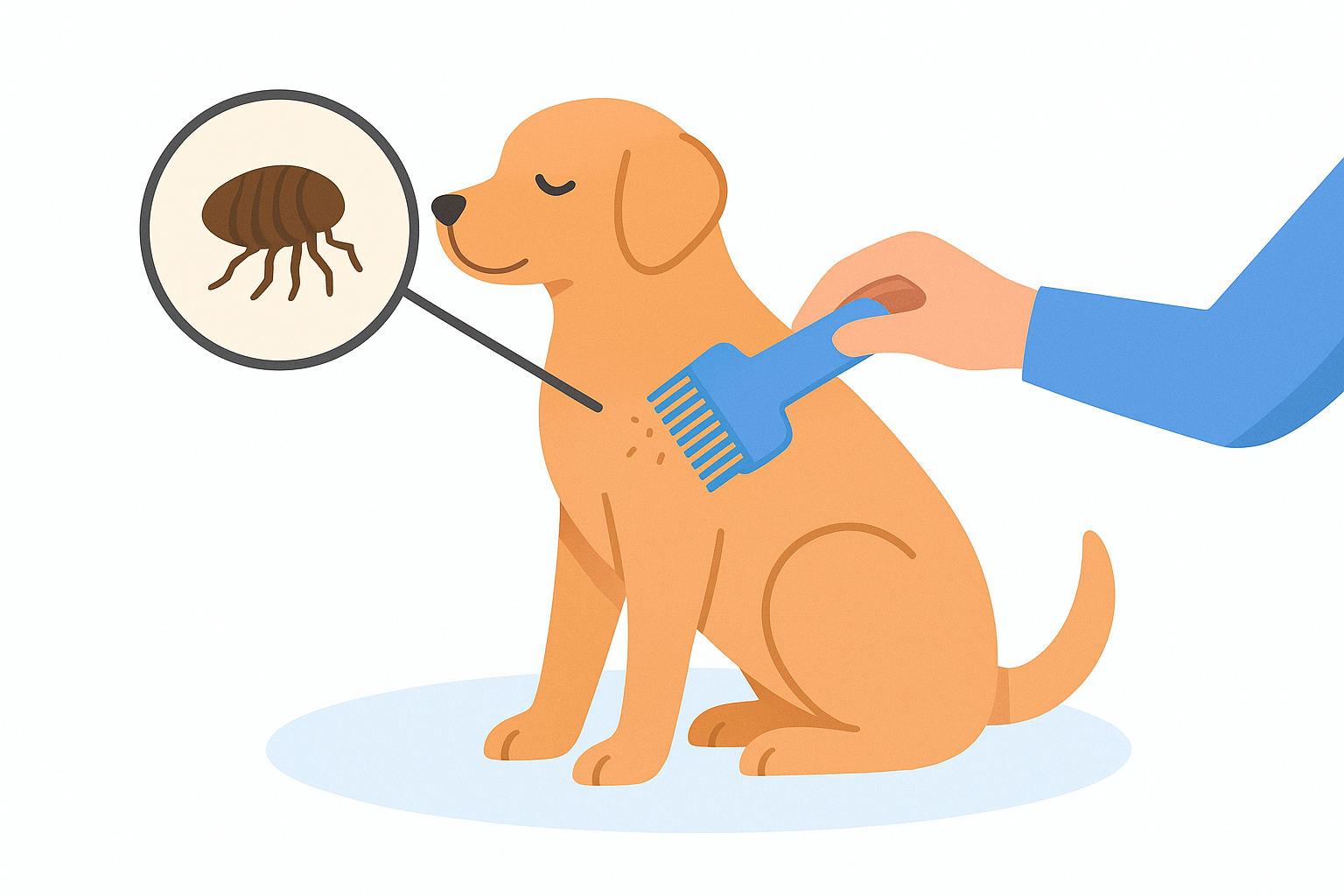
Catching fleas on your pet before they drop eggs into your carpet is the single best way to stop an infestation before it starts.
Handle pet-to-pet and stray animal exposure
Limit direct contact between your pets and neighborhood strays. A single encounter is enough to transfer fleas from one animal to another.
Signs your pet is the source of the problem
Constant scratching, hair loss, or visible flea dirt on your pet's coat means the animal is actively carrying fleas into your living space.
When to involve your veterinarian
Your vet can recommend prescription-strength treatments that outperform anything sold over the counter, especially for pets with skin sensitivities or recurring flea problems.
3. Clean the spots fleas use to breed
Fleas don't live only on your pet. Eggs and larvae fall off the host and land in carpet fibers, furniture, and flooring throughout your home. Targeting every surface where flea eggs settle is a core part of how to prevent fleas in the house.
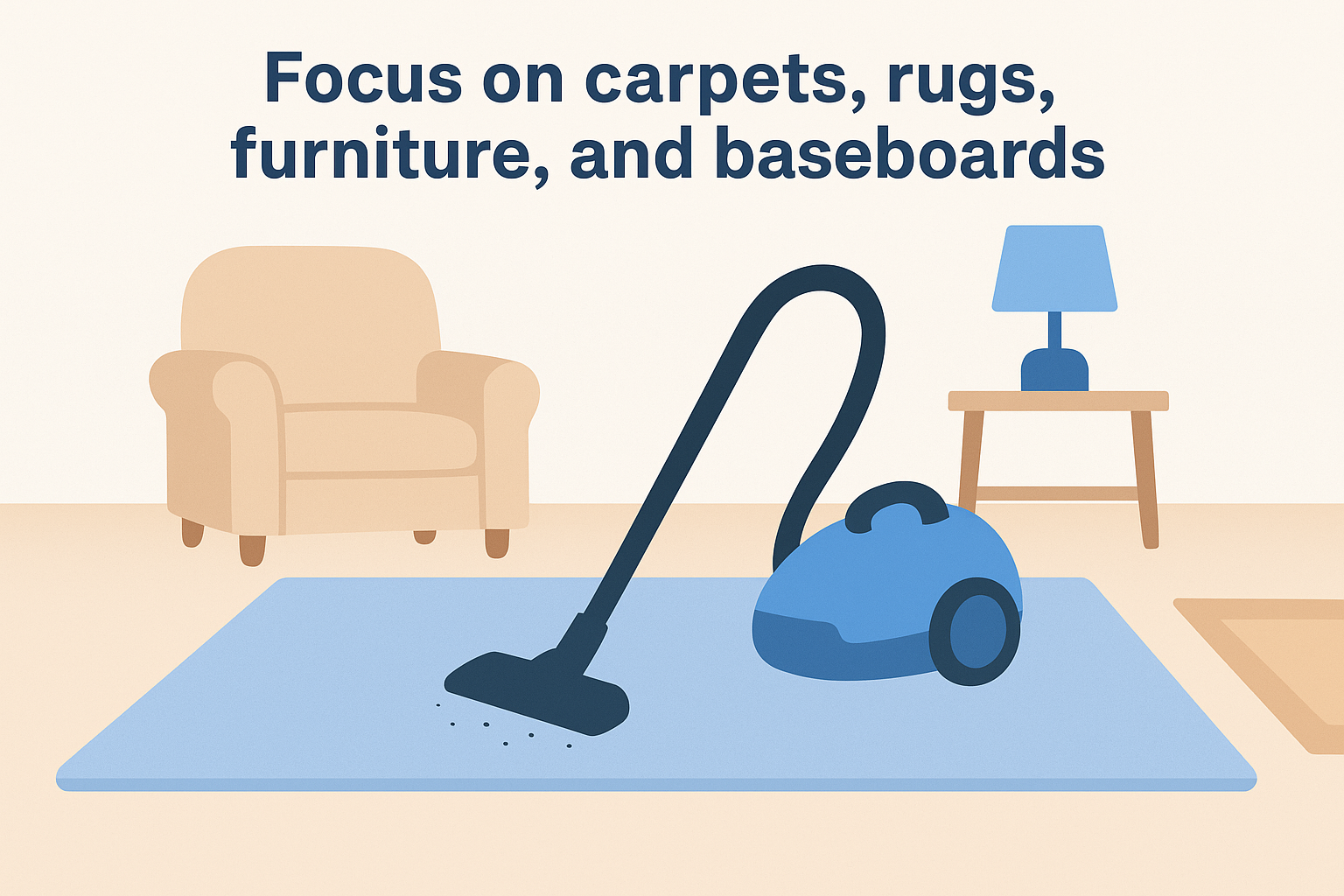
Focus on carpets, rugs, furniture, and baseboards
Dark, sheltered zones like deep carpet pile, rug edges, cushion seams, and baseboards are where fleas prefer to breed. Concentrate your cleaning in these spots because that's where larvae develop before reaching adulthood.
Vacuuming tactics that actually remove eggs and larvae
Vacuum slowly and in multiple directions to pull eggs and larvae out of carpet fibers. Empty the canister outside immediately after each pass so live fleas cannot escape back into the room.
Vacuuming every day during an active flea problem removes a significant share of eggs and larvae before they mature.
Steam cleaning and hot-wash laundry that kills all stages
High heat kills fleas at every life stage. Steam clean carpets and upholstery, and machine wash any fabric in water above 140°F , then dry on the highest heat setting.
What to do with pet bedding and favorite nap zones
Wash pet beds, blankets, and any fabric your animal sleeps on weekly. Replace worn bedding that traps debris, since those materials shelter larvae and keep the cycle going.
Common cleaning mistakes that keep fleas coming back
Skipping baseboards and furniture edges is the most common error. Cleaning only open floor space leaves the exact spots where larvae concentrate completely untreated.
4. Make your yard and entryways hostile to fleas
Your yard is where most flea problems start . Shaded, damp outdoor spaces let fleas survive and breed before reaching your door. Controlling outdoor conditions is a key part of how to prevent fleas in the house.
Remove shade, clutter, and moist hiding areas outside
Leaf piles, woodpiles, and dense shrubs give fleas the cool, humid shelter they need to survive outdoors. Clear debris from your foundation and trim vegetation to cut out ground-level hiding spots .
Mow, rake, and manage watering to reduce flea habitat
Keep grass cut short and rake often to reduce ground-level humidity. Water your lawn early in the morning so the soil dries during the day, since dry, sunny turf is far less hospitable to flea larvae.
A well-kept yard with less moisture and clutter cuts the flea pressure around your home significantly.
Keep wildlife and rodents from dropping fleas near the home
Deer, raccoons, and rodents carry fleas onto your property regularly. Secure trash bins and compost areas and remove bird feeders that draw wildlife close to your foundation.
Block common entry points around doors, vents, and crawl spaces
Seal gaps around doors, foundation vents, and crawl space openings with weather stripping or wire mesh. Fleas enter through these points on rodents and wildlife seeking shelter inside your home.
What to do with outdoor pet areas and dog runs
Clean dog runs and outdoor pet spaces weekly by removing waste and rinsing surfaces. Apply vet-approved outdoor flea treatments to the shaded areas your pets use most to stop larvae from establishing there.
5. Use targeted products safely when prevention needs backup
When standard prevention steps aren't enough, targeted products can help close the gap. Knowing how to prevent fleas in the house includes recognizing when to reach for a product and which one actually works.
When DIY sprays and insect growth regulators make sense
IGRs paired with adulticides work best for light infestations caught early. Apply them after a thorough vacuum so the product reaches eggs and larvae directly, not just the carpet surface.
How to apply products to cracks, edges, and pet zones
Concentrate every spray on baseboards, carpet edges, and under furniture rather than open floor space. Those tight spots are where larvae develop and where most people stop short.
Which repellents help prevent bites while you fix the source
DEET-based repellents reduce bites on people during active treatment. They don't eliminate the source, but they protect you and your family while you address the infestation.
Repellents manage discomfort while you fix the problem, not the other way around.
Foggers, powders, and natural remedies: what to skip and why
Most of these products miss where fleas breed and offer little real impact. Avoid these common options:
- Foggers : don't reach baseboards or furniture undersides
- Diatomaceous earth : inconsistent, ineffective against pupae
- Essential oil sprays : no proven effect on eggs or larvae
Safety rules for kids, pets, and indoor air quality
Keep children and pets away from treated areas until all surfaces dry fully. Read the product label completely and ventilate the space before letting anyone back inside.
Next Steps
Knowing how to prevent fleas in the house gives you a real advantage before a problem takes hold. The five tips covered here work because they attack every stage of the flea life cycle , from eggs settling into your carpet to adults hitching a ride in on your pet. Apply all five together for the strongest outcome, because skipping any single step leaves a gap that fleas will find and use quickly.
Prevention is always easier than dealing with a full infestation, and the earlier you act, the less ground you have to recover. If you're already noticing flea activity in your home, or you simply want a professional assessment before things get worse, the team at Defender Termite & Pest Management is ready to help. We've served Sacramento-area homeowners since 1999 with treatments that target real flea problems, and we can build a plan specific to your home and situation.