Average Cost Of Pest Control Service: 2026 Pricing Guide
Whether you're dealing with ants in the kitchen, rodents in the attic, or termites eating through your subfloor, one of the first questions that comes up is straightforward: what's the average cost of pest control service ? It's a fair question, and one without a single clean answer, because pricing depends on the pest, the severity of the infestation, the size of your property, and how often you need treatment .
At Defender Termite & Pest Management, we've been helping Sacramento-area homeowners and businesses handle exactly these situations since 1999. Over that time, we've seen pricing shift with the market, and we know that understanding your options upfront makes a real difference when you're comparing quotes or setting a budget. That firsthand experience is what shaped this guide.
Below, we break down national and regional pricing averages for 2026, explain how costs change based on service frequency, one-time visits versus recurring plans, and outline what you can expect to pay for specific pest types. By the end, you'll have a clear picture of what professional pest control actually costs and what drives those numbers up or down.
Why pest control pricing matters for homeowners
When you hire a pest control company without a clear sense of what the work should cost, you're at a disadvantage before the conversation even starts. Knowing the average cost of pest control service gives you a baseline to evaluate quotes honestly, spot inflated pricing, and decide whether a recurring plan or a one-time treatment makes more financial sense for your situation. Pricing also shapes the decisions you make about treatment timing, service frequency, and which company you trust with your property. A homeowner who walks into that conversation informed will ask better questions and almost always get better results.
Understanding typical pest control costs before you call a company puts you in control of the conversation, not the other way around.
The real cost of delaying treatment
Most homeowners underestimate what happens when a pest problem goes unaddressed for weeks or months. A small rodent issue can grow into a full infestation within a single season, and termites can work silently inside walls and subfloors for years before visible damage appears. By the time the problem becomes obvious, you're often looking at repair costs that far exceed what early treatment would have run . That gap between what you could have spent and what you now have to spend is the hidden cost of waiting.
To put this in concrete terms, a localized termite treatment on a contained area might cost a few hundred dollars when caught early. Left untreated, that same infestation could require structural wood repair, replacement of damaged framing, and a significantly broader treatment scope. That combination of work can run into several thousand dollars , and some of it, like load-bearing framing repair, isn't optional. Understanding what treatment should cost helps you act sooner, because uncertainty about pricing is one of the main reasons people put off calling a professional longer than they should.
Beyond the structural side, delayed treatment also increases health and safety risks in your home. Rodents contaminate surfaces and spread disease through droppings and urine. Certain insects, including stinging pests and cockroaches, can trigger allergic reactions or asthma symptoms in children and adults. Knowing that a professional treatment is within a reasonable and predictable budget removes one of the biggest mental barriers to getting help early.
What pricing tells you about service quality
Price and quality don't always move in the same direction , but extreme outliers in either direction are worth your attention. A quote that comes in dramatically lower than the regional average might reflect cut corners, limited treatment coverage, or a company that upsells aggressively once they're on-site. A higher price should come with a clear explanation of what's included, such as the product type, treatment method, coverage area, and any follow-up visits or warranties.
When you understand typical price ranges for specific pests and service plans, you can ask better questions during the estimate process. You'll know whether a quarterly service quote is within the normal range for your area, whether a one-time treatment fee is fair for the pest type involved, and whether retreatment coverage is part of the package or an added cost. Comparing companies on substance , rather than just the number at the bottom of the estimate, leads to better outcomes. A provider who can explain their pricing clearly is generally one who knows their process and stands behind their work.
2026 average pest control costs at a glance
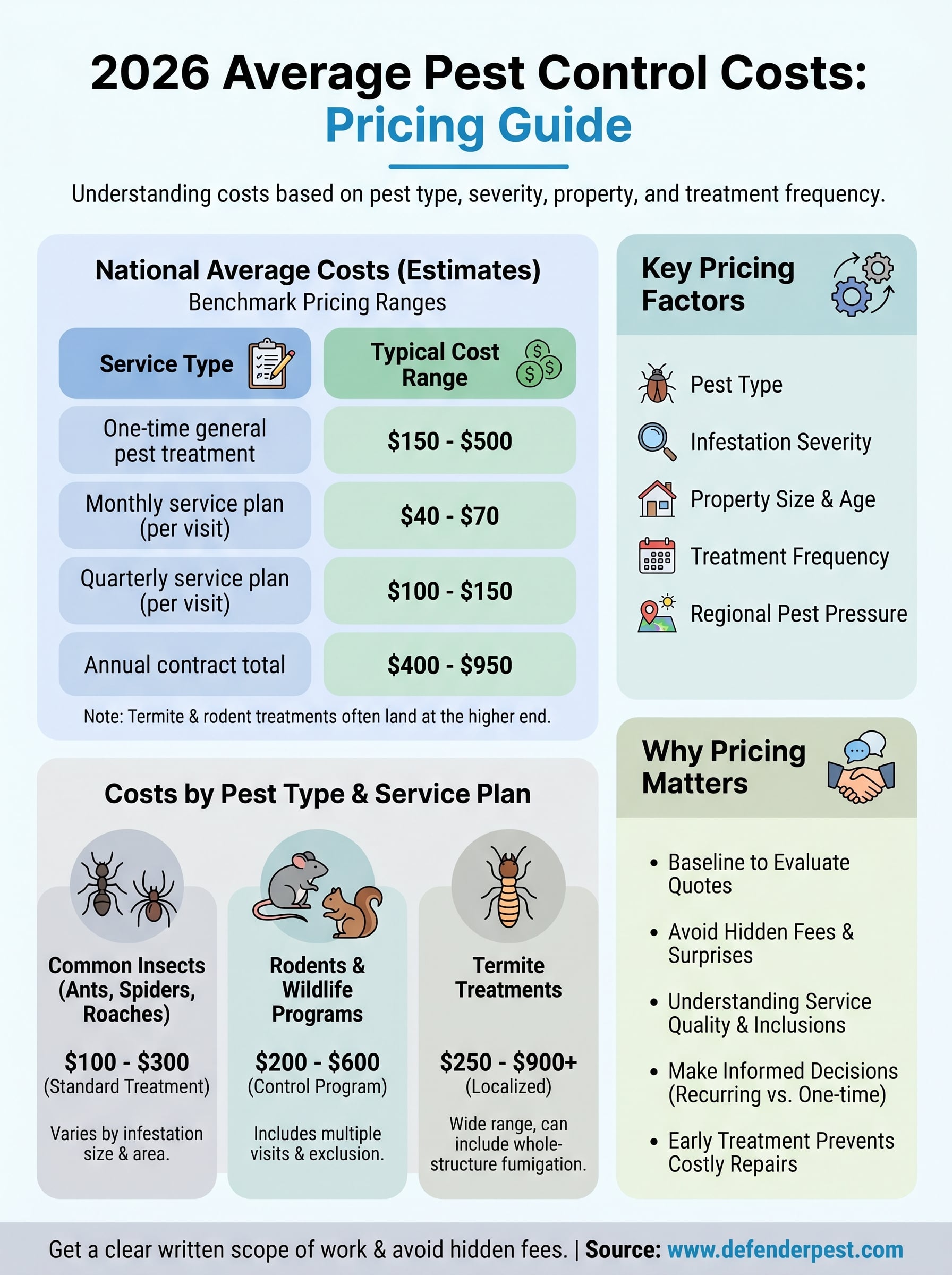
The average cost of pest control service in 2026 falls roughly between $150 and $500 for a one-time visit , depending on the pest, the treatment method, and the size of the affected area. Recurring service plans typically run lower per visit, somewhere between $40 and $150 per treatment when paid on a quarterly or monthly schedule. These ranges give you a useful starting point for comparing quotes, but your actual cost will shift based on factors specific to your property, your pest situation, and where you live.

National pricing benchmarks
National averages help you frame what reasonable pricing looks like before you contact any local provider. Most homeowners spend between $250 and $400 for a standard one-time treatment , while annual pest control contracts, which typically include four to six visits per year, average between $400 and $950 total. Termite and rodent treatments tend to land at the higher end of any range because the work involves more preparation, more product, and more labor per job.
| Service Type | Typical Cost Range |
|---|---|
| One-time general pest treatment | $150 - $500 |
| Monthly service plan (per visit) | $40 - $70 |
| Quarterly service plan (per visit) | $100 - $150 |
| Annual contract total | $400 - $950 |
| Termite treatment (localized) | $250 - $900 |
| Rodent control program | $200 - $600 |
These are national benchmarks. Your local quote will reflect regional labor rates, pest pressure, and property specifics.
What these numbers cover
Understanding what a typical service quote actually includes helps you evaluate whether a bid is complete or likely to grow once work begins. A standard general pest treatment usually covers the initial inspection, interior and exterior product application, and at least one follow-up visit. Retreatment guarantees, monitoring station installation, and structural repairs are frequently priced as separate line items. Before you compare quotes side by side, confirm with each company exactly what their stated price covers , not just the visit itself. A professional provider will hand you that breakdown in writing without hesitation, and any reluctance to do so is worth noting.
Cost by service plan and visit frequency
The service plan you choose has a bigger impact on your total annual spend than almost any other factor. Most pest control companies offer two primary structures: one-time treatments for isolated incidents and recurring contracts for ongoing prevention. Understanding how each plan prices out helps you decide which structure fits your pest situation and your budget, and it gives you a direct point of comparison when you're reviewing the average cost of pest control service across providers.
One-time treatments
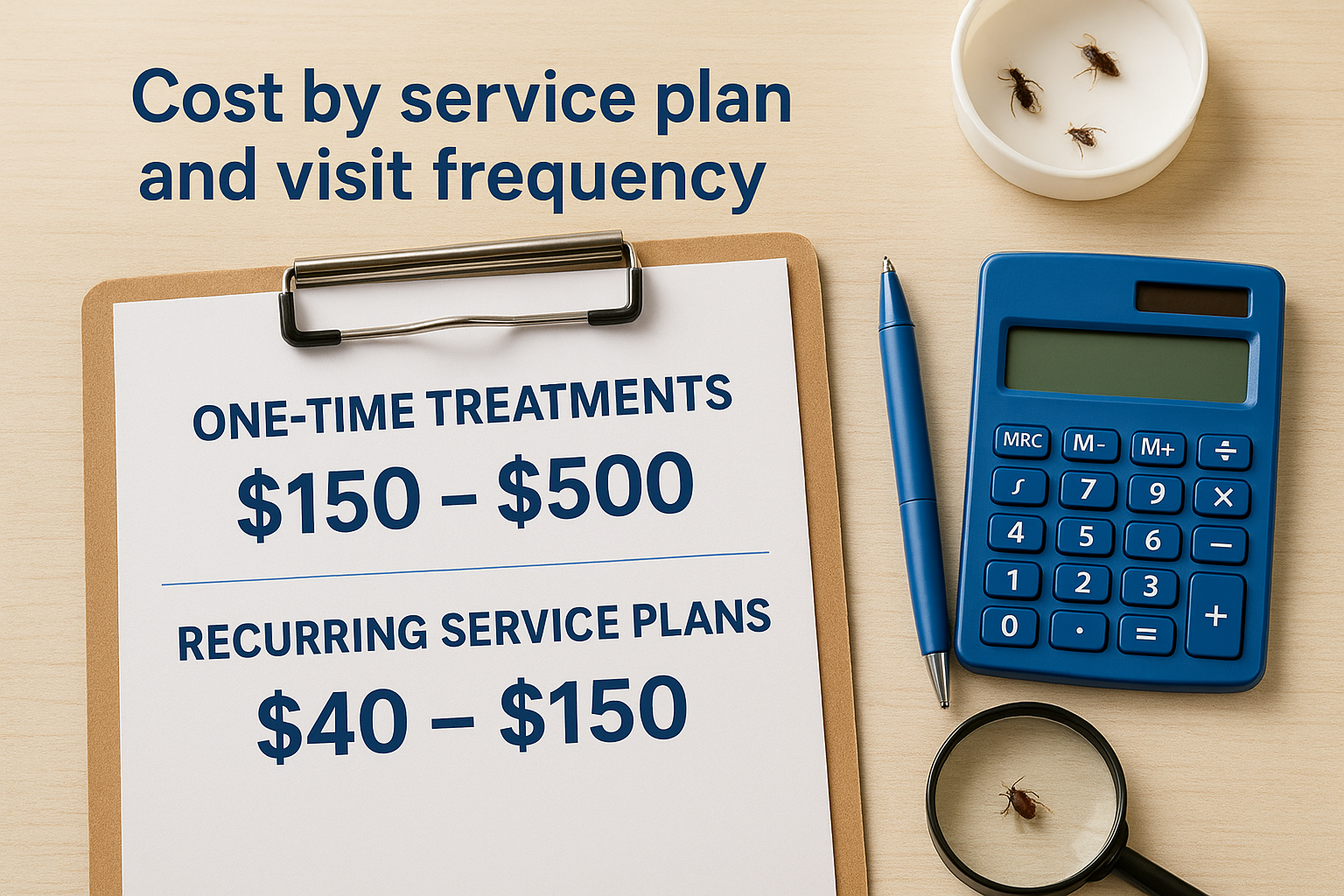
A one-time treatment makes sense when you're dealing with a specific, contained problem, like a wasp nest, a small ant trail, or a single rodent entry point that's already been identified. Expect to pay between $150 and $500 for a standard one-time visit, with the final number depending on the pest type, the size of the treatment area, and whether any follow-up visit is included . Some companies build a single follow-up into their one-time price; others charge separately for it, so ask that question directly before you book.
One-time treatments tend to cost more per visit than recurring plans, but they can be the right call for isolated, seasonal, or low-risk pest situations.
The main limitation of a one-time service is that it doesn't address the conditions that created the problem in the first place. If you treat once and take no further action, reinfestation is common , especially for pests like ants, cockroaches, and rodents that respond to environmental factors like moisture, food access, and structural entry points.
Recurring service plans
Recurring contracts lower your per-visit cost significantly because you're committing to a set schedule, and the company factors that predictability into their pricing. Monthly plans typically run $40 to $70 per visit , while quarterly plans average $100 to $150 per visit. On an annual basis, a quarterly plan usually totals between $400 and $600, which is often less than the cost of two standalone one-time treatments.
The practical value of a recurring plan goes beyond the numbers. Regular visits allow a technician to catch new pest activity early , before a minor issue becomes a full infestation. For homeowners in areas with consistent pest pressure, like the Sacramento region where warm seasons drive significant ant, rodent, and spider activity, a recurring plan delivers better long-term outcomes than waiting for a visible problem before calling for help.
Cost by pest type and treatment method
The pest you're dealing with drives the price more than almost any other single variable. Different pests require different products, different application methods, and different amounts of technician time , which is why the average cost of pest control service ranges so widely from one job to the next. Knowing what typical treatment costs look like for specific pests helps you evaluate quotes with a concrete frame of reference.
Common insects: ants, cockroaches, and spiders
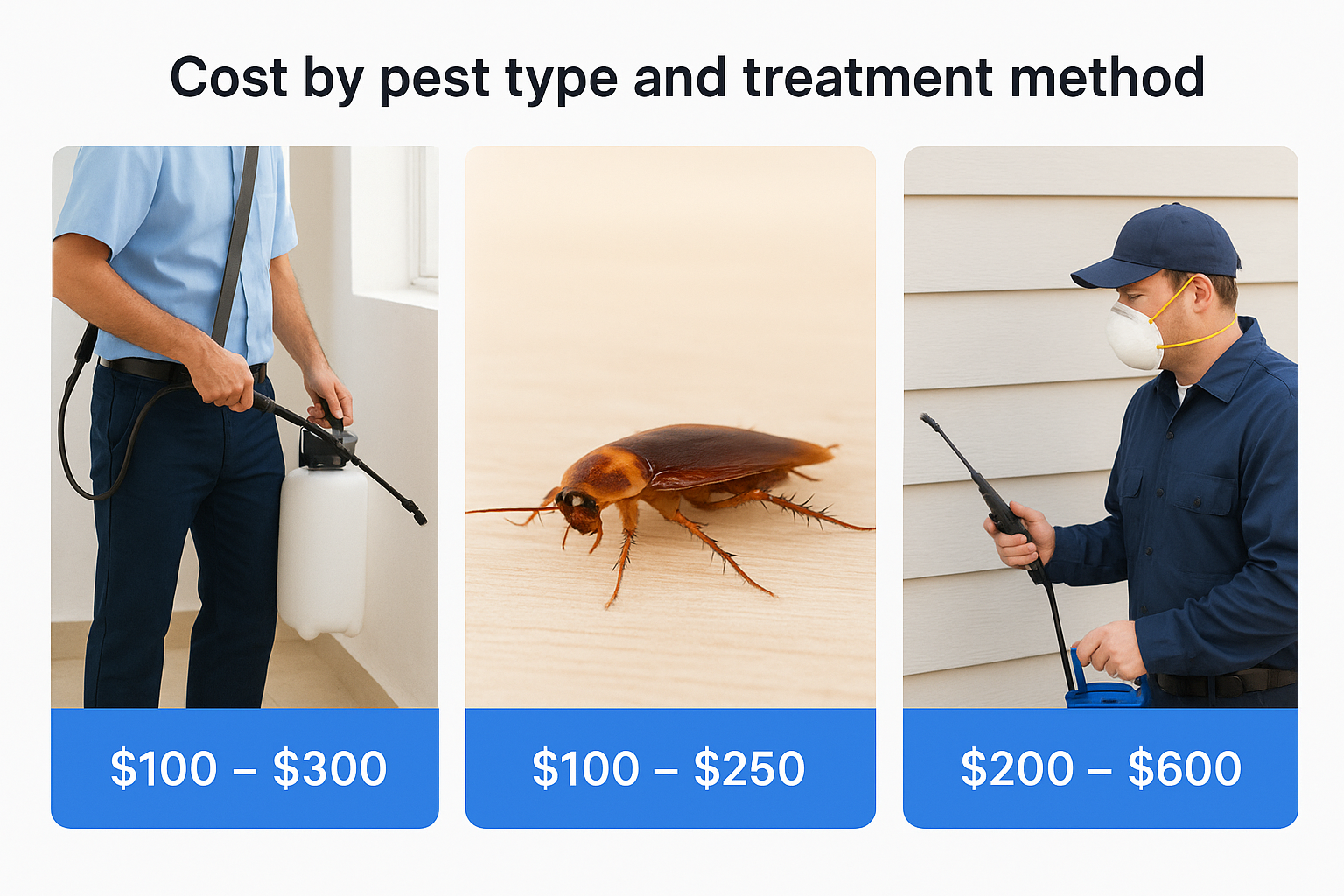
General insect treatments are the most affordable category in pest control. Ant, cockroach, and spider treatments typically fall between $100 and $300 for a standard service call , with the final price depending on the infestation size and whether the problem is concentrated in one area or spread throughout the property. Cockroach infestations tend to cost more than ant treatments because they often require gel bait placement, crack-and-crevice applications, and multiple follow-up visits to break the breeding cycle.
Insect treatments priced at the lower end of the range often cover less surface area or exclude interior treatment, so confirm the scope before you agree to any quote.
For stinging insects like wasps or yellow jackets, expect to pay between $100 and $250 depending on nest size and location . Nests in accessible exterior spots cost less to treat than those inside walls or soffits, where removal requires more time and a higher risk factor for the technician.
Rodents and wildlife
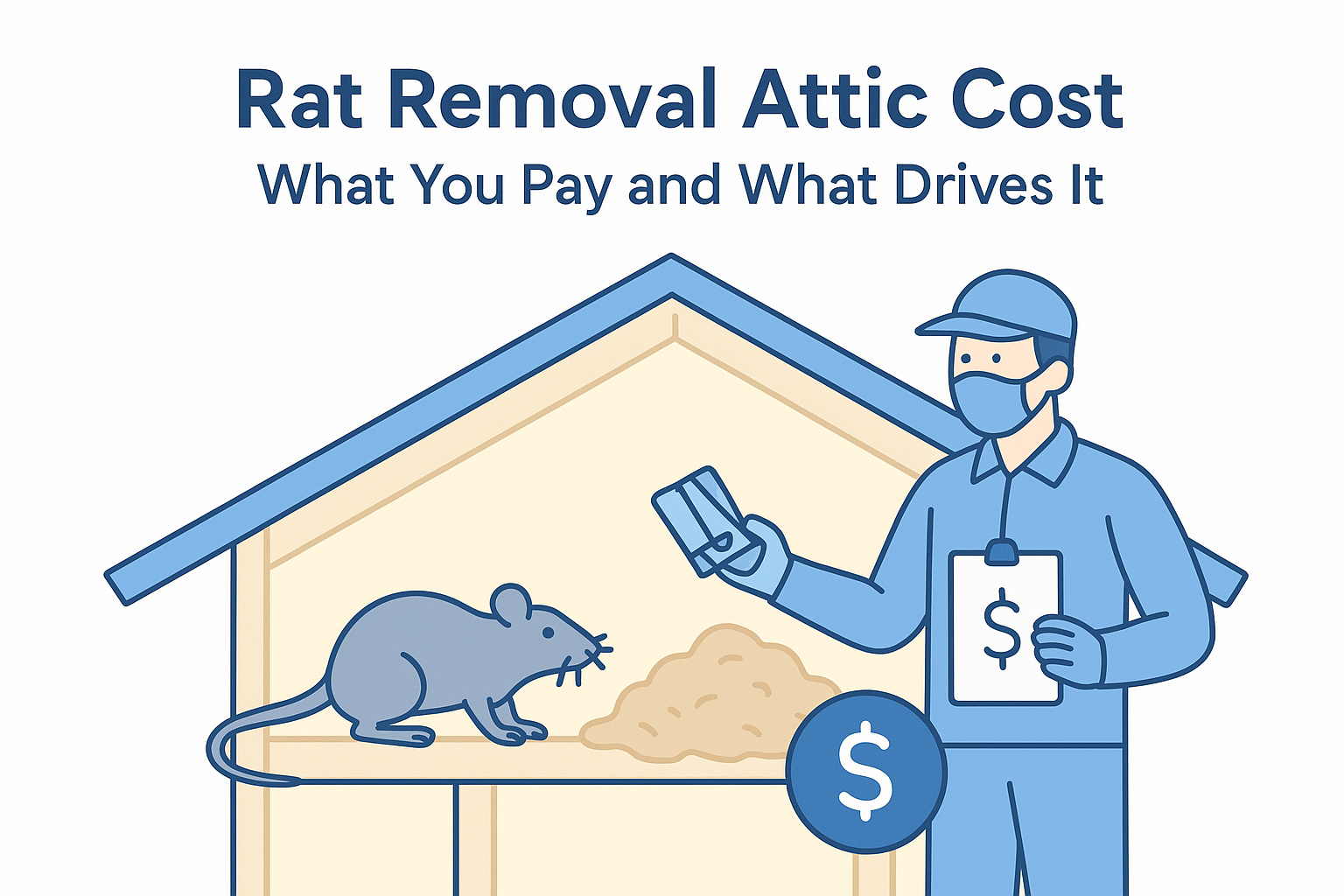
Rodent control programs typically run between $200 and $600 , and that range reflects real differences in scope. A single entry-point seal with a few snap traps costs far less than a full exclusion job that involves inspecting the entire roofline, sealing multiple access points, and setting a network of monitoring stations. Most rodent programs include multiple visits because trapping and monitoring has to happen over several weeks to confirm the problem is resolved.
Termites
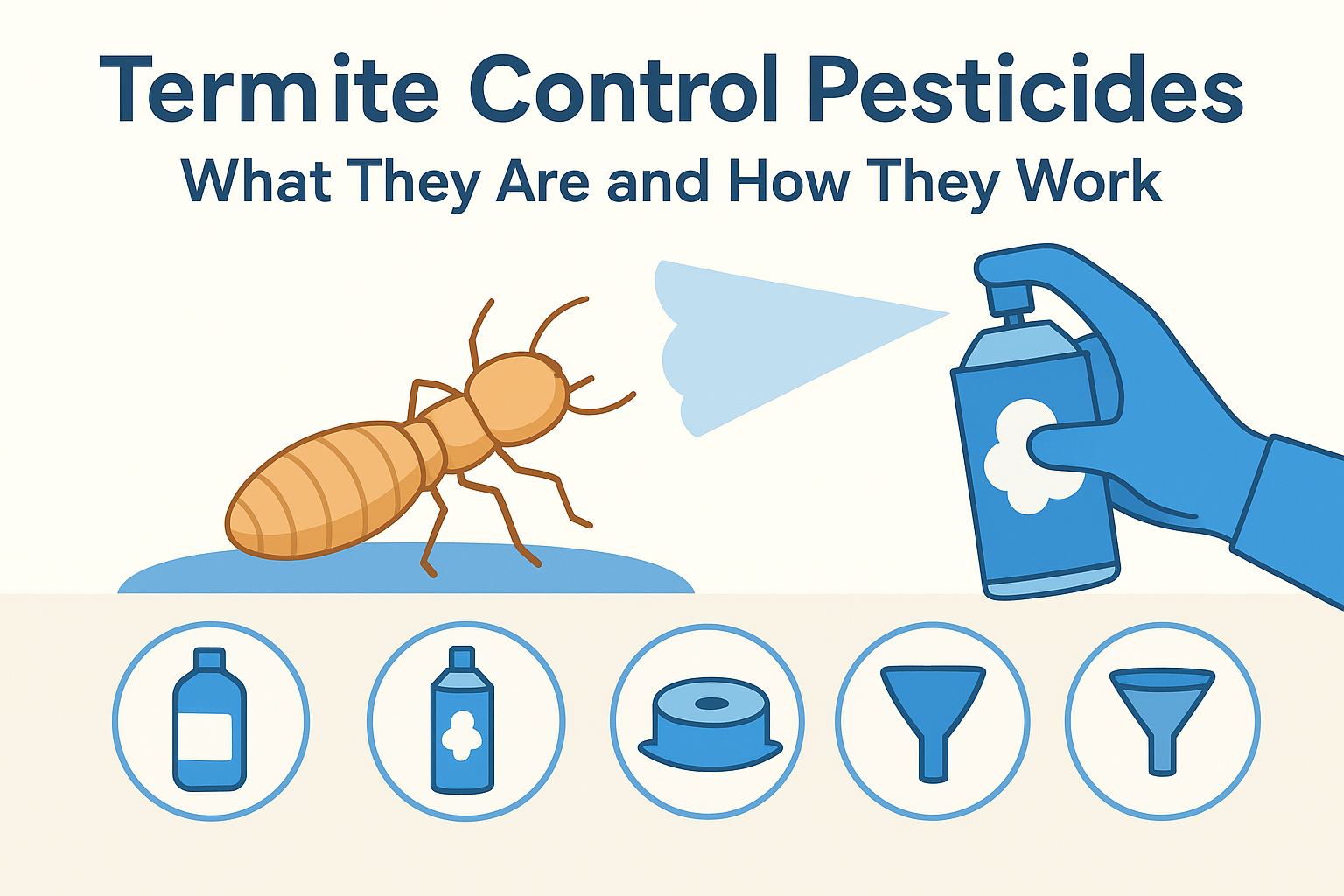
Termite treatments carry the widest pricing range of any common pest. Localized treatments for a contained infestation start around $250 and can reach $900 or more , while whole-structure fumigation for a severe infestation runs significantly higher. Preventative treatments like soil barriers or borate applications are priced separately from active infestation work and are worth asking about if your property hasn't been treated before.
What affects pricing in Sacramento and Northern California
The average cost of pest control service doesn't land the same way in Sacramento as it does in a cooler, drier climate. Northern California's long dry summers and mild winters create year-round pest activity that keeps demand for professional treatment consistently high. That regional demand, combined with local labor rates and the specific pest species common to the Central Valley, shapes what you'll actually pay when you request a quote here.
Regional pest pressure and seasonal patterns
Sacramento and the surrounding counties deal with heavy ant and spider pressure from late spring through early fall, when heat and drought push pests indoors in search of moisture and food. Rodent pressure peaks in the fall as temperatures drop and rats and mice move toward structure. Termite activity, particularly drywood and subterranean species , is a persistent concern across Northern California and tends to be more aggressive in areas closer to the valley floor where soil temperatures stay warm longer.
Pest control companies in high-pressure regions like Sacramento often price recurring plans slightly higher than national averages because year-round activity means more product usage and more frequent callbacks.
That seasonal cycle means your pest situation in Sacramento rarely resolves on its own. Preventative treatment schedules here need to account for multiple pest types across multiple seasons , which is one reason recurring plans often deliver better value for local homeowners than one-time services.
Property size, age, and site conditions
Larger properties cost more to treat because the treatment area directly drives product volume and technician time. A 3,000 square-foot home with a crawl space will cost more to treat for subterranean termites than a slab-foundation property of the same size, simply because crawl space access adds labor time and increases the scope of any soil treatment.
Older homes common in Sacramento's central neighborhoods present additional pricing factors. Properties built before the 1980s often have more entry points, aged wood framing that attracts wood-destroying pests, and construction styles that make thorough inspections more time-consuming. Site conditions like dense landscaping, wood debris near the foundation, or standing moisture also increase treatment complexity and can push your quote above what a newer, more accessible property would cost.
How to compare quotes and avoid surprise fees
When you're comparing estimates, the number at the bottom of the quote is only part of the picture. To get a real sense of the average cost of pest control service for your specific situation, you need to understand what each quote actually includes and what it leaves out. Two quotes can list the same dollar amount and cover completely different scopes of work, so the comparison has to go deeper than price.
Ask for a written scope before you agree to anything
Before you accept any estimate, ask each company to put their scope in writing , including which pests are covered, what areas of your property will be treated, what product types will be applied, and whether a follow-up visit is included. Verbal promises about retreatment guarantees or coverage areas don't hold up once the visit is complete and the technician has left. A reputable provider will give you that breakdown without hesitation, and any reluctance to do so tells you something useful about how they operate.
If a company won't give you a written scope of work before you pay, don't pay.
Getting the scope in writing also lets you compare bids side by side on equal footing . You can see clearly whether one company's lower price reflects a narrower treatment area, fewer visits, or a different product class than a higher bid that covers more ground and more service touches .
Watch for fees that don't show up until the invoice
Setup fees, fuel surcharges, and reinspection charges are common additions that don't always appear in the initial estimate. Ask each company directly whether their quoted price is the total you'll pay, or whether additional fees apply at any point during or after the service. A recurring plan quote should also spell out the cancellation terms , including whether you're locked into a contract and what penalties apply if you cancel before the term ends.
Some companies price their initial visit low and rely on mandatory add-ons or multi-visit packages to bring the total up. Knowing the right questions to ask before you sign anything is the most reliable way to keep the final bill close to the number you agreed to upfront .
A simple way to move forward
You now have a solid picture of what the average cost of pest control service looks like in 2026, what drives prices up or down, and how to evaluate a quote before you commit. The next step is straightforward : get a real estimate based on your specific property and pest situation, not just a national average. Pricing benchmarks are useful for building context, but your home's size, location, and pest history will ultimately shape what treatment actually costs.
At Defender Termite & Pest Management, we've handled pest and termite problems across the Sacramento region since 1999. We give you a clear written scope , explain what's included, and don't charge hidden fees after the visit. Whether you're dealing with an active infestation or want to get ahead of seasonal pest pressure, we're ready to help. Request a quote from Defender Termite & Pest Management and get a straightforward answer you can actually use.