Termite Inspection Cost: Average Prices & What Affects Them
If you're buying or selling a home in the Sacramento area, or you just spotted something suspicious in your crawl space, one of the first questions you'll ask is: how much does a termite inspection cost ? The answer isn't as straightforward as a single number. Prices depend on your property's size, where you're located, what type of inspection you need, and whether the inspection is tied to a real estate transaction or simply for your own peace of mind.
At Defender Termite & Pest Management, we've been performing termite inspections across Greater Sacramento and Northern California since 1999. Over that time, we've seen homeowners overpay for basic inspections and, worse, skip them entirely because they assumed the cost was out of reach. Neither situation needs to happen. A clear understanding of what inspections actually cost, and what drives those prices up or down, puts you in a much stronger position as a property owner.
This article breaks down average termite inspection prices, explains the key factors that affect what you'll pay, and clarifies the difference between complimentary inspections and the paid reports often required during home sales. No vague ranges or filler , just the specific pricing information and context you need to make a confident decision about protecting your property.
Why termite inspection cost matters
Understanding termite inspection cost isn't just about budgeting for a service call. It's about weighing a relatively small upfront expense against a potentially devastating repair bill. Termites work silently inside walls, floors, and structural beams, and most homeowners have no idea there's a problem until the damage is already significant. Knowing what an inspection costs, and why it's worth paying for one, puts you in a position to act before the situation gets expensive.
The scale of termite damage in the U.S.
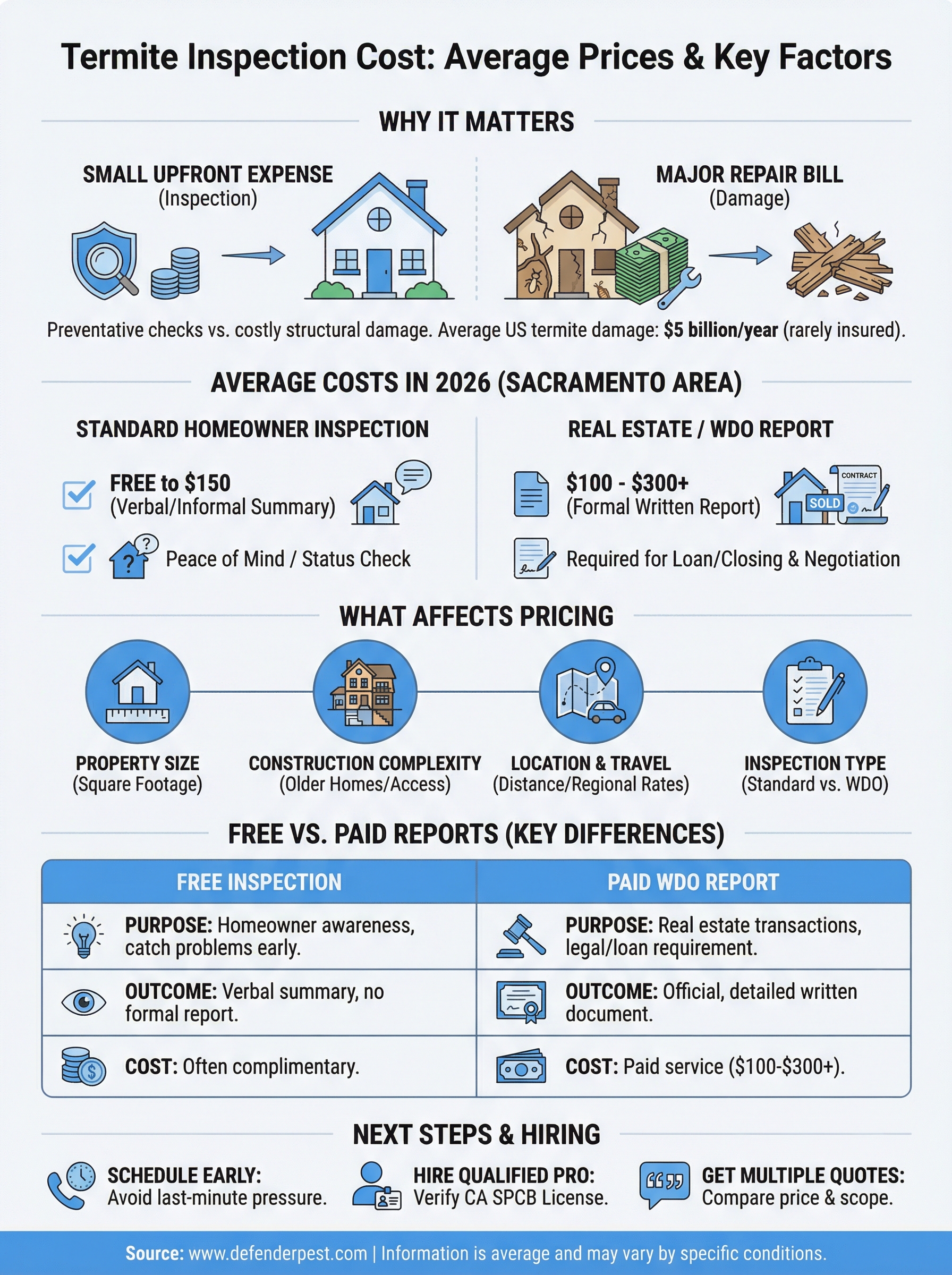
Termites cause an estimated $5 billion in property damage across the United States every year. That figure doesn't come from dramatic one-time events like fires or floods. It builds up slowly over months and years as termites quietly hollow out the wood that holds your home together. Unlike damage from weather events, termite destruction is almost never covered by standard homeowners insurance , which means every repair dollar comes directly out of your pocket.
Termite damage is one of the most preventable major home expenses, but only if you catch an infestation before it spreads.
California homeowners face pressure from both subterranean and drywood termites. The Sacramento area's warm, dry climate extends the active season well beyond what you'd see in colder states, which means infestations can progress faster and cause more structural harm before any visible signs appear. Local conditions make regular inspections especially critical for property owners throughout Greater Sacramento and Northern California.
What skipping an inspection actually costs you
When homeowners skip an inspection to save a few hundred dollars, the logic seems reasonable until you see what a mature termite colony does to structural wood over a single season. Replacing a damaged floor joist, beam, or section of subflooring routinely costs several thousand dollars per affected area, and infestations rarely stay contained to one location. A small colony today can become a serious structural problem within a year or two of undetected activity.
At Defender Termite & Pest Management, we regularly find structural damage that a standard inspection would have caught years earlier . The repair work that follows a severe infestation typically runs five to ten times what the inspection itself would have cost. Getting an inspection on schedule isn't an added expense ; it's how you avoid a far larger one down the road.
Inspections as leverage in real estate transactions
If you're buying or selling a property, the termite inspection cost takes on a different kind of importance. Sellers who can document a clean inspection go into negotiations with a concrete advantage that removes buyer uncertainty . Buyers who request an inspection before closing protect themselves from inheriting thousands of dollars in hidden damage. In California, certain real estate transactions legally require a pest inspection report before the sale can close, so this step isn't always discretionary.
A paid inspection report gives both parties documented, professional confirmation of the property's condition. For buyers, that report is the foundation for negotiating repairs or a price reduction. For sellers, a clean report reduces one of the most common sources of deal friction . Understanding what these reports cost, and how they differ from a standard homeowner inspection, helps you plan your transaction without last-minute surprises.
Average termite inspection costs in 2026
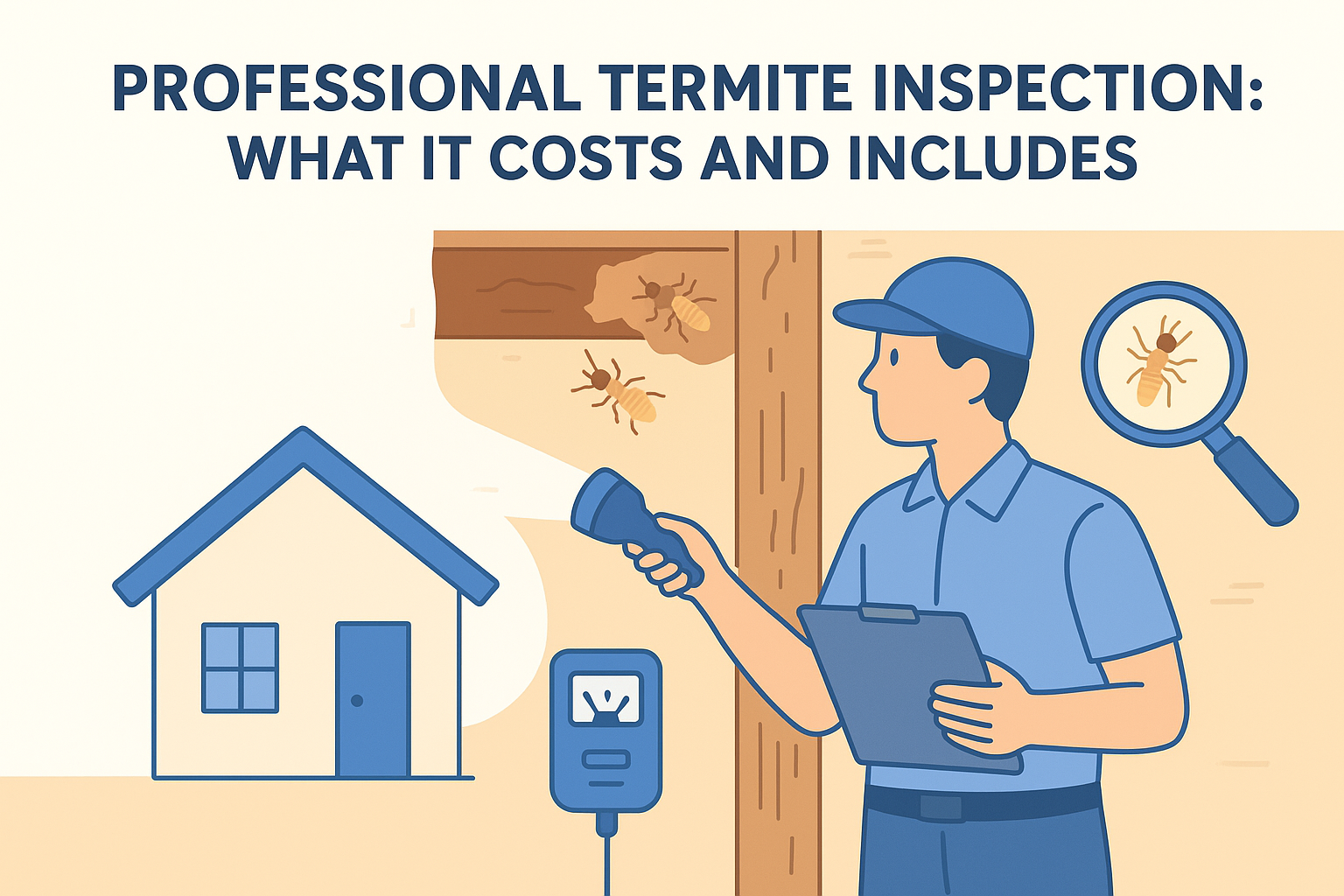
The termite inspection cost most homeowners encounter falls in a fairly predictable range, though what you pay depends heavily on the type of inspection you need and whether a formal report is required. For a standard residential inspection with no documentation requirement, many pest control companies in California charge between $75 and $150 , and some offer complimentary inspections to homeowners outside of a real estate transaction. These free inspections are legitimate services, but they come with important limitations that are worth understanding before you schedule one.
Standard homeowner inspections
For a typical single-family home, a paid homeowner inspection generally runs $75 to $150 in the Greater Sacramento area . The inspector examines accessible areas of your property, including the crawl space, attic, garage, and visible interior wood, then provides you with a verbal or written summary of what they found. Many local pest companies include this type of inspection at no charge as a way to introduce their services, which is useful if you simply want to know whether your home has an active problem before deciding on next steps.
A complimentary inspection gives you a solid starting point, but it typically does not produce the formal written report required for real estate closings.
Real estate and WDO reports
When a home sale is involved , the inspection becomes a formal process with specific documentation requirements. In California, this report is called a Wood Destroying Organism (WDO) report, and a licensed pest control operator must complete it. These reports typically cost $100 to $300 , with the price rising for larger homes, older properties with complex construction, or addresses that require additional travel from the inspector. Both buyers and sellers should factor this cost into their transaction planning well in advance.
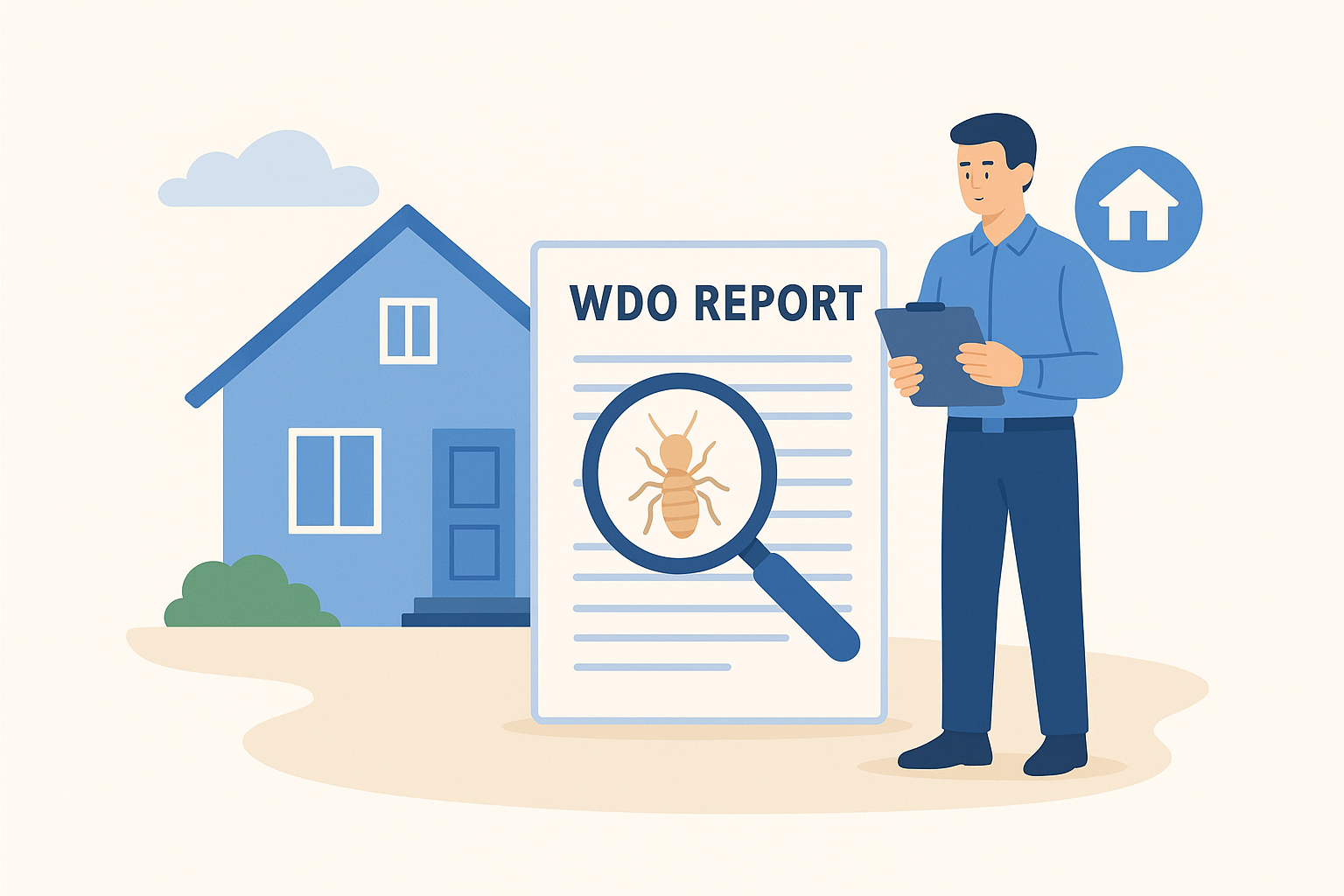
The written WDO report details every area inspected, any evidence of active or past infestation , conditions that make the property susceptible to termite activity, and recommended treatments. Lenders and escrow companies frequently require this document before a sale closes, so waiting until the final weeks creates unnecessary pressure on the timeline. Ordering the report early gives all parties room to negotiate repairs or treatments without risking delays to the closing date.
What affects termite inspection pricing
Several variables push the termite inspection cost higher or lower, and understanding them helps you anticipate what you'll actually pay before you call anyone. The two most consistent price drivers are property size and construction complexity , but location, access difficulty, and inspection type also play a meaningful role. Knowing where these costs come from makes it easier to compare quotes and ask the right questions.
Property size and construction complexity
Larger homes take more time to inspect thoroughly, and inspection fees almost always reflect that additional labor . A 1,000-square-foot bungalow and a 3,500-square-foot two-story home with a basement, multiple crawl spaces, and an attached garage are genuinely different jobs. Inspectors need to cover every accessible area where termites could be active , so the scope of work scales directly with the footprint and complexity of your property.
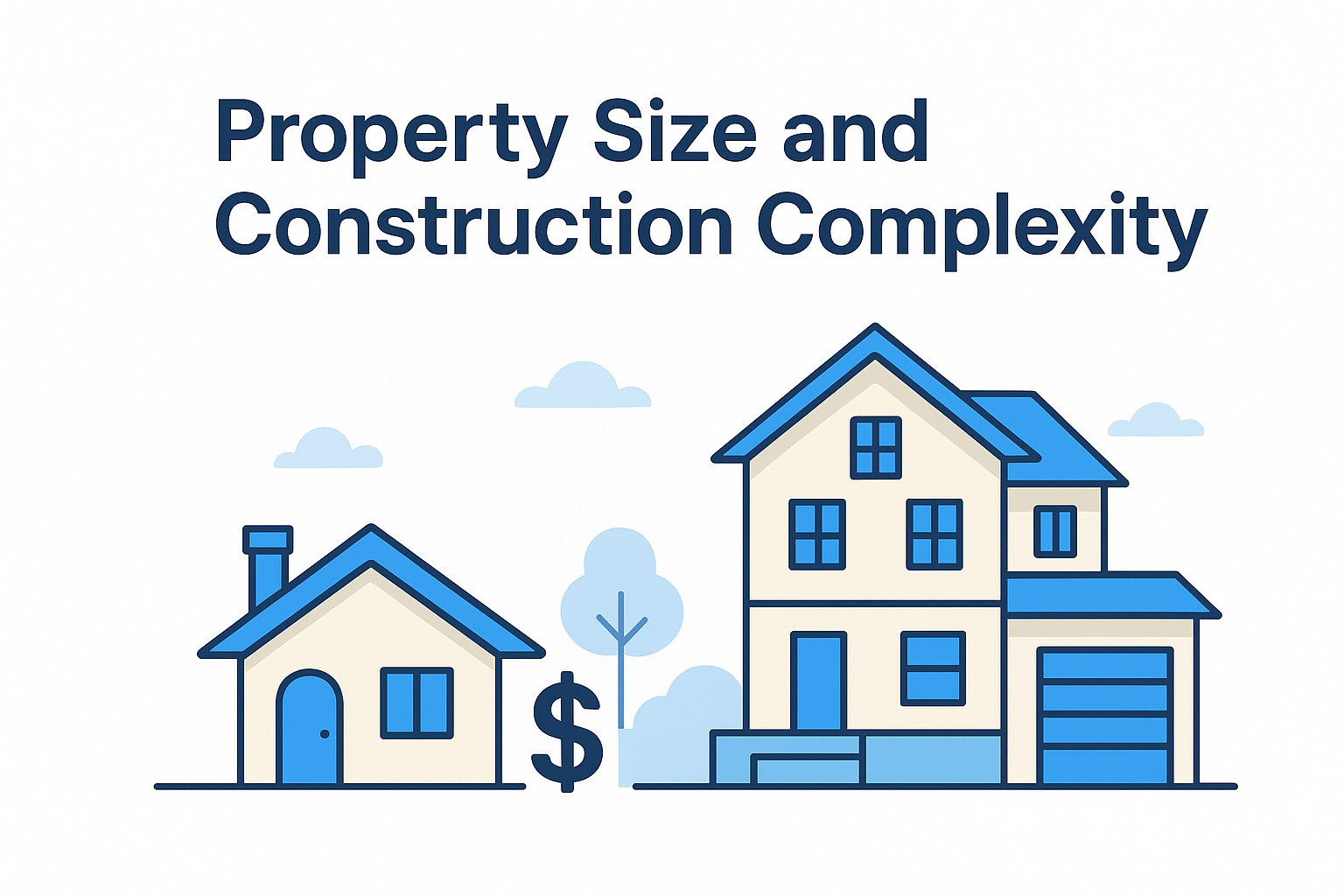
Older homes present additional challenges because construction methods from decades past often mean tighter crawl spaces, more wood-to-soil contact, and materials that termites favor . Inspecting a home built in the 1950s or 1960s typically takes longer than inspecting newer construction, and some companies reflect that in their pricing. If your home has had previous termite treatments or structural repairs , the inspector also needs to evaluate those areas carefully to confirm the earlier treatment held and no new activity has started.
A property with difficult access points, such as sealed crawl spaces or unconventional framing, will almost always cost more to inspect than a straightforward single-story home.
Location and inspector travel
Your address affects your total inspection cost in two ways: regional pricing norms and travel distance from the inspector's base. Companies operating out of Sacramento may charge a travel or fuel surcharge for properties in outlying areas like Vacaville or rural Placer County, where drive time adds meaningfully to the job. Urban and suburban properties within the core service area typically benefit from standard pricing because local inspectors can reach them without significant added time.
Regional demand also plays a role. Areas with higher termite pressure tend to attract more competition among pest control companies, which generally keeps prices reasonable. Less-served rural locations sometimes see higher rates simply because fewer qualified inspectors operate there.
Free vs paid inspections and real estate reports
Not all termite inspections work the same way, and the difference between a complimentary visit and a formal paid report matters depending on why you need the inspection in the first place. Choosing the wrong type can leave you without the documentation lenders and escrow companies require, so it pays to understand the distinction before you schedule anything.
When a free inspection makes sense
Free inspections are a standard offering from many licensed pest control companies, including Defender Termite & Pest Management. The inspector walks your property, checks accessible areas for signs of active infestation or conducive conditions , and gives you a clear picture of what's going on. This type of visit works well when you're a homeowner who wants to stay ahead of a potential problem or confirm a suspicion before committing to treatment costs.
A free inspection gives you honest, professional eyes on your property without any upfront commitment, which is exactly what you need when the only goal is your own peace of mind.
What a complimentary inspection typically does not provide is formal written documentation in a state-recognized format. If you're not buying or selling, that limitation rarely matters. Your inspector can still tell you whether you have a problem and what treatment options apply to your situation.
What you get with a paid WDO report
California real estate transactions frequently require a Wood Destroying Organism (WDO) report completed by a licensed pest control operator. This document covers every inspected area, notes any active or previous infestation, flags conditions that increase termite risk, and lists recommended corrective actions. Lenders, buyers, and escrow companies all rely on this report to verify the structural integrity of the property before the sale closes.
The termite inspection cost for a WDO report runs higher than a standard homeowner visit because the paperwork, liability, and licensing requirements add real work to the job. Expect to pay $100 to $300 depending on your property's size and location. Ordering this report early in the transaction process gives everyone involved time to negotiate repairs or treatment costs without pushing the closing date. Waiting until the final week creates pressure that benefits no one on either side of the deal.
How to estimate your cost and hire the right pro
Estimating your termite inspection cost before you call a company gives you a realistic baseline and helps you spot quotes that are either suspiciously low or unnecessarily high. Start by identifying the type of inspection you need: a standard homeowner check or a formal WDO report for a real estate transaction. That single distinction determines both what you'll pay and what documentation you'll receive at the end of the visit.
Get multiple quotes before committing
Calling two or three licensed pest control companies in your area takes less than 30 minutes and gives you enough data to evaluate pricing fairly . Ask each company directly whether they charge for the inspection itself, what the written report costs if one is required, and whether travel fees apply to your address. Keep a simple written note of each quote so you can compare them side by side rather than relying on memory when you follow up.
The lowest quote is not always the best deal. A licensed, experienced inspector who charges a fair rate is worth more than a discount operator who misses active damage.
When you request quotes, ask specifically whether the inspector holds a current California Structural Pest Control Board license . Licensed operators must meet training and insurance standards that protect you if something goes wrong or a dispute arises after the inspection. You can verify an inspector's license status directly through the California Structural Pest Control Board before committing to any company.
What to look for in a qualified inspector
Experience matters more in this field than most. An inspector who has worked across a range of property types and construction styles will catch things a less experienced technician might overlook, particularly in older homes with unconventional framing or previous structural repairs. Ask how long the company has operated locally and whether their inspectors focus specifically on wood-destroying organisms rather than general pest control.
Local expertise also improves the accuracy of your inspection because termite species and seasonal pressure vary significantly by region . An inspector familiar with Sacramento's specific mix of subterranean and drywood termite activity brings practical knowledge that translates directly into a more reliable assessment of your property's condition.
Next steps if you need an inspection
Now that you understand how termite inspection cost breaks down and what drives pricing up or down, the next move is clear: schedule an inspection with a qualified, licensed professional before a small problem becomes a costly structural repair. Termite activity in the Sacramento area runs year-round, so there is no safe season to delay a scheduled check. Whether you own a home in Sacramento, Roseville, Folsom, or Elk Grove, waiting rarely works in your favor once termites are active on your property.
Defender Termite & Pest Management has performed residential and commercial inspections across Northern California since 1999. Our licensed inspectors understand the specific termite pressure this region faces, and we offer both complimentary homeowner inspections and formal WDO reports for real estate transactions. Getting an inspection scheduled now is the simplest action you can take to protect your property's value. If you're ready for a clear, documented picture of your property's condition, schedule a termite inspection with Defender today.