Can Termites Come Back After Treatment? Yes, Here's Why
You just paid good money to get rid of termites, and now you're seeing mud tubes again near your foundation. So can termites come back after treatment ? Yes, they can, and it happens more often than most pest companies like to admit. A treatment kills the colony that was active at the time, but it doesn't put a permanent shield around your house forever.
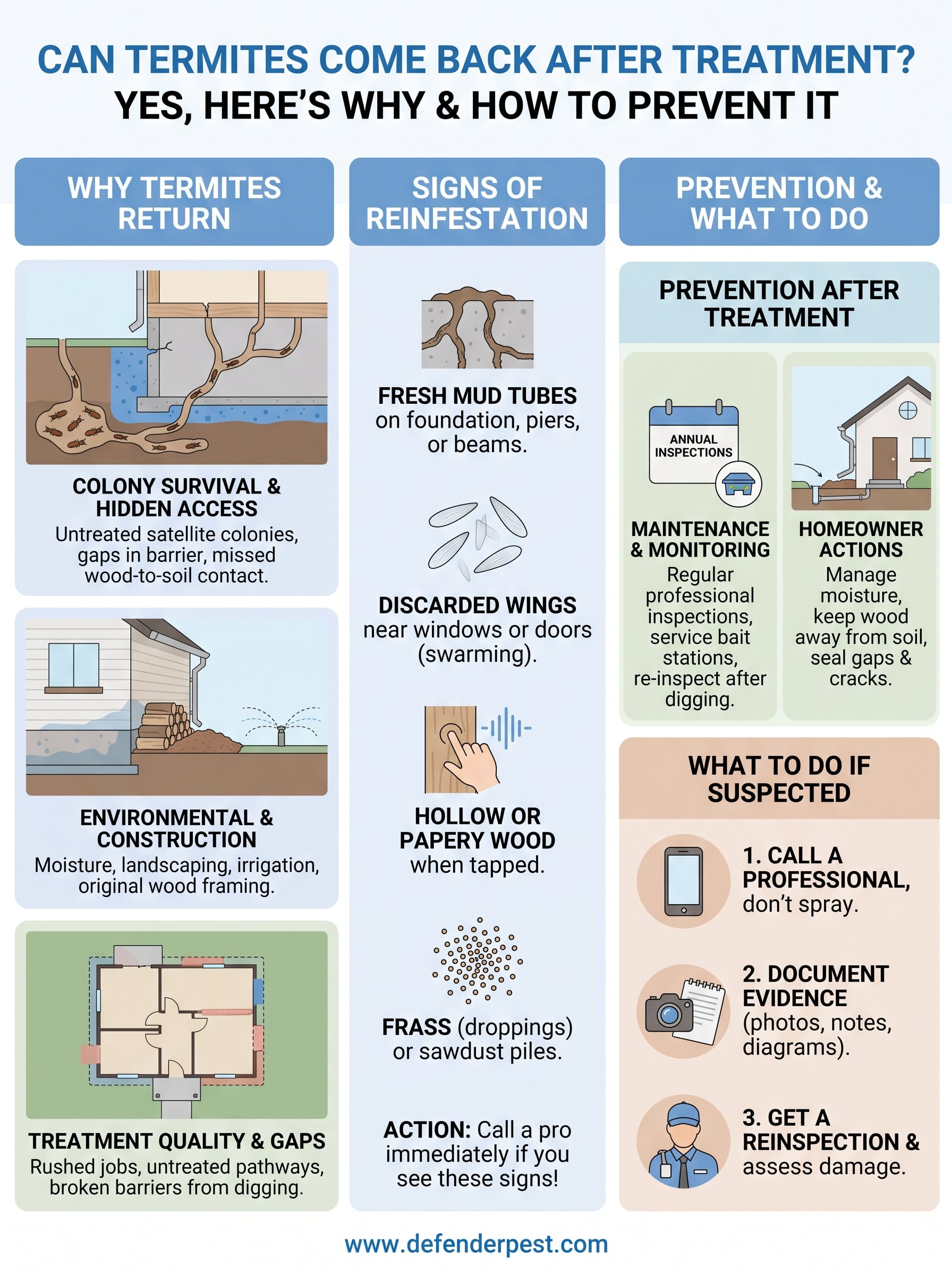
Reinfestation usually comes down to a handful of causes: untreated satellite colonies , gaps in the original treatment, wood-to-soil contact that got missed, or simply a new swarm finding your home years later. Subterranean termites in particular can rebuild colonies from survivors that weren't exposed to the treatment zone, and drywood termites can fly in fresh from a neighboring structure regardless of what was done before.
We've inspected enough Sacramento-area homes to know the difference between a failed treatment and a brand new infestation, and that distinction matters for what you do next. In this article, we'll walk through why termites return , how to tell if you're dealing with survivors or newcomers, and what steps actually prevent a repeat problem, including ongoing monitoring and structural repairs where damage already occurred.
Why termites can return after a treatment
Most homeowners assume a termite treatment works like a vaccine, one shot and you're covered for life. That's not how it works. Liquid soil treatments create a chemical barrier around the structure, but that barrier only stops termites from crossing it. If the barrier gets broken by digging, landscaping, or a new patio slab, termites can tunnel right through the gap. Bait station systems have a similar weak point: they only work if termites find and feed on them, and colonies foraging outside the station's range may never encounter the bait at all.
Colony survival and hidden access points
Subterranean termite colonies can span hundreds of feet underground, with multiple satellite nests connected to a single king and queen. A treatment might wipe out the workers active near your foundation while leaving a satellite colony untouched somewhere in the yard. Given enough time, that surviving group rebuilds and finds its way back to your home through a crack in the slab, a gap around a pipe, or wood that touches soil directly. Fumigation for drywood termites works differently since it targets the whole structure, but it doesn't stop a new swarm from landing on your roof next spring.
A termite treatment kills an active colony, not the possibility of another one showing up later.
Environmental and construction factors
Sacramento's climate gives termites a long active season, and older homes in neighborhoods like East Sacramento or Land Park often have original wood framing with decades of moisture exposure. Add in irrigation systems that keep soil damp near the foundation, mulch piled against siding, or firewood stacked next to the house, and you've built a welcome mat for termites regardless of what treatment was done. The National Pesticide Information Center notes that termite colonies can persist for years and continually seek new food sources, which is exactly why ongoing monitoring matters as much as the initial treatment ( https://npic.orst.edu/pest/termite.html).
Treatment quality matters too. A rushed job that skips certain foundation sections, misses a detached garage, or under-applies product leaves untreated pathways that termites exploit within a year or two. That's why we always recommend asking for a written treatment diagram showing exactly where barriers were placed, so you know what was covered and what wasn't.
Signs of a termite reinfestation to watch for
Spotting a reinfestation early saves you thousands in repair costs, so know what to look for before damage spreads. Fresh mud tubes on foundation walls, piers, or crawl space beams are the clearest sign, especially if they appear near where the original treatment barrier was placed. Discarded wings near windowsills or door frames often mean a new swarm just landed, which matters most for drywood termites since fumigation doesn't stop future flights.
Visual and physical clues
Check these spots regularly, particularly during spring and early summer when swarming activity peaks in the Sacramento area:
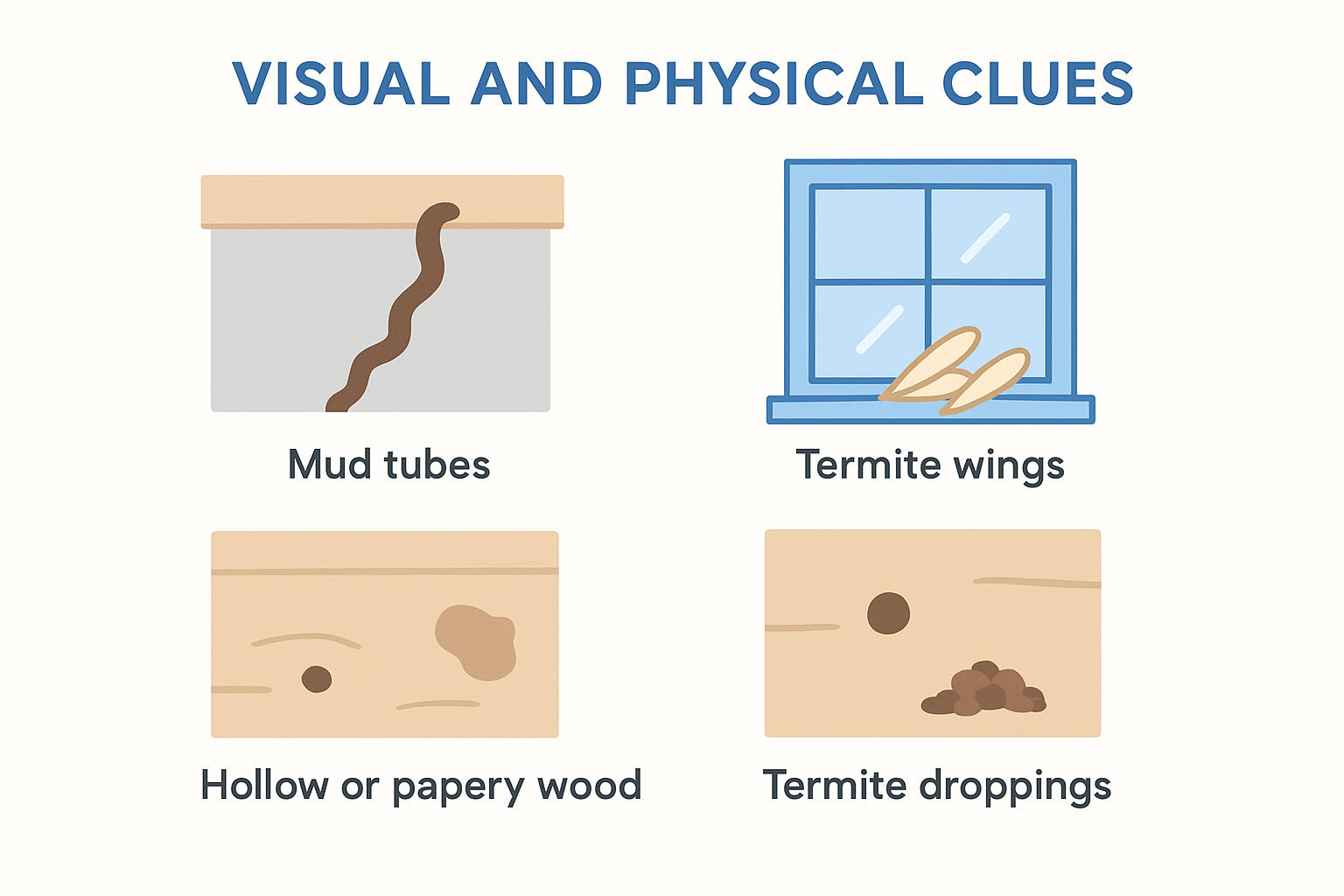
- Mud tubes on foundation walls, sill plates, or support piers
- Discarded termite wings on windowsills, in spider webs, or near light fixtures
- Wood that sounds hollow or papery when tapped
- Small holes or blistering in paint on wood surfaces
- Frass (termite droppings) that looks like tiny pellets or sawdust piles
If you see mud tubes again after treatment, don't wait for more damage before calling someone out.
Structural and behavioral changes
Doors and windows that suddenly stick or won't close properly often point to warped wood from moisture and termite activity working together underneath the surface. Sagging floors, especially near bathrooms or exterior walls, can indicate joists that are already compromised. Listen for faint clicking sounds inside walls during quiet hours, which worker termites make while feeding. None of these signs alone confirms active termites, but two or more together warrant an inspection before you assume the problem solved itself.
How to prevent termites from coming back
Prevention after treatment isn't about one big fix, it's about closing the small gaps that let termites sneak back in. Annual inspections catch early warning signs before they turn into structural damage, and they cost far less than a second full treatment. Sacramento's warm, humid stretches make year-round vigilance worthwhile rather than optional.
Moisture and wood contact
Grading and drainage around your foundation matter more than most homeowners realize. Fix these common problems before they undo your treatment:
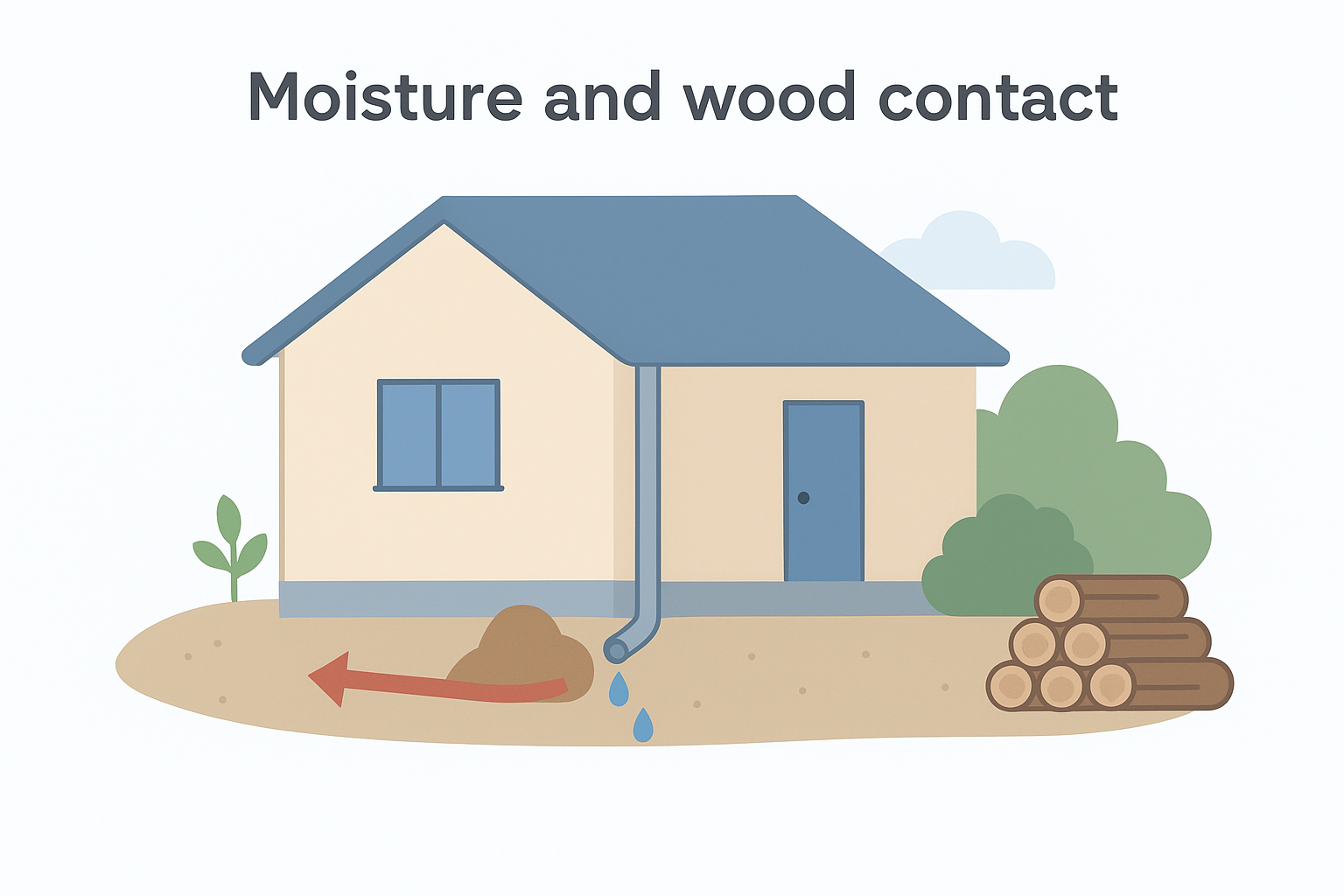
- Redirect sprinklers and downspouts away from the foundation
- Trim mulch back at least six inches from siding
- Move firewood and lumber piles away from exterior walls
- Seal gaps around pipes, vents, and slab cracks
- Repair leaky faucets or gutters that keep soil damp
Dry wood and dry soil around your foundation do more to prevent termites than any single chemical barrier.
Maintaining the treatment barrier
Landscaping projects, new patios, and fence installations can all break a liquid barrier without anyone noticing. Ask your pest control provider to re-inspect after any major digging near the treated zone, and keep the original treatment diagram on file so contractors know where not to disturb soil. Bait stations need periodic servicing too, since empty or damaged stations stop working entirely.
Ongoing monitoring through a maintenance plan catches the early signs we covered above before they become expensive repairs. Defender Termite & Pest Management offers scheduled follow-up inspections for exactly this reason, since a one-time treatment was never meant to be a lifetime guarantee against a new colony finding your home.
What to do if you suspect termites have returned
Stop and resist the urge to spray an over-the-counter product on visible mud tubes. That kills surface workers but does nothing for the colony feeding your home, and it can mask activity right when you need a clear picture of what's happening. Call a licensed pest professional for a reinspection instead of assuming the original treatment simply failed on its own.
Document what you see
Before anyone shows up, gather evidence so the inspector isn't starting from scratch:
- Take dated photos of mud tubes, wings, or frass
- Note which rooms have sticking doors or soft flooring
- Mark the location on a floor plan if you can
- Pull out your original treatment paperwork and diagram
A few clear photos and your old treatment diagram can turn a guessing game into a fast, accurate diagnosis.
Get a professional reinspection
Request that the inspector compare fresh activity against the original treatment map. This tells you whether termites crossed an intact barrier, found a gap that was always there, or represent an entirely new colony that has nothing to do with the first job. That distinction decides whether you need a warranty repair, a barrier extension, or a full new treatment.
Finally, ask about wood damage assessment while the inspector is already on site. Structural repair needs often go hand in hand with reinfestation, and catching both at once saves you a second visit and a second invoice down the road.
Staying ahead of future termite problems
Termites coming back after treatment isn't a sign you got scammed or that your pest company did shoddy work. It's a reminder that soil, wood, and moisture never stop attracting new colonies, no matter how thorough the first job was. The homeowners who avoid repeat infestations aren't lucky, they just treat termite control as ongoing maintenance instead of a one-time purchase.
Keep an eye out for mud tubes, discarded wings, and sticking doors, and don't wait months to get a second opinion if something looks off. A quick reinspection now costs a lot less than structural repairs later, and it tells you exactly whether you're dealing with survivors, a fresh colony, or nothing at all.
If you're seeing signs of activity or just want a professional set of eyes on your property, request a free inspection from Defender Termite & Pest Management and get a straight answer before the problem grows.