Pest Exclusion Services: Cost, Process, And What To Expect
Killing pests inside your home solves the immediate problem, but it doesn't answer the obvious question: how did they get in? That's exactly what pest exclusion services address, sealing the gaps, cracks, and entry points that rodents, wildlife, and insects use to access your property in the first place. It's the difference between reacting to an infestation and preventing one.
If you're dealing with mice in the attic, rats under the house, or raccoons finding their way into your crawl space, exclusion work is likely part of the solution. But most homeowners aren't sure what the process involves , how much it costs, or what separates a quality job from a quick patch that fails in six months. Those are fair questions, and getting clear answers before hiring someone matters.
At Defender Termite & Pest Management, we've been handling pest problems across the Greater Sacramento area since 1999, and exclusion work is a core part of what we do. Our background in both pest management and structural repair gives us a practical edge when it comes to identifying vulnerabilities in a building and fixing them right. In this guide, we'll walk you through how pest exclusion services work, what they typically cost , and what you should expect from start to finish.
What pest exclusion services include
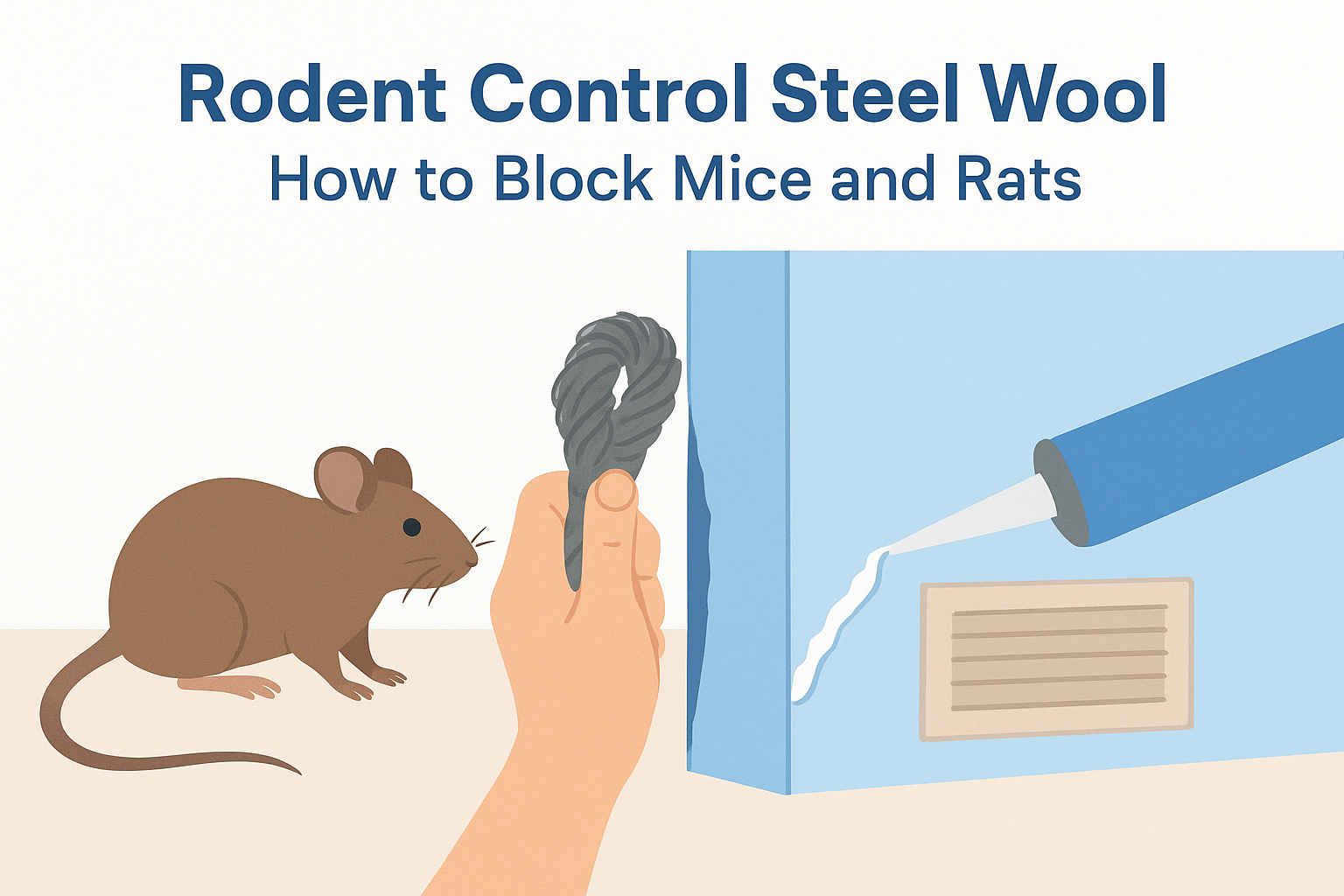
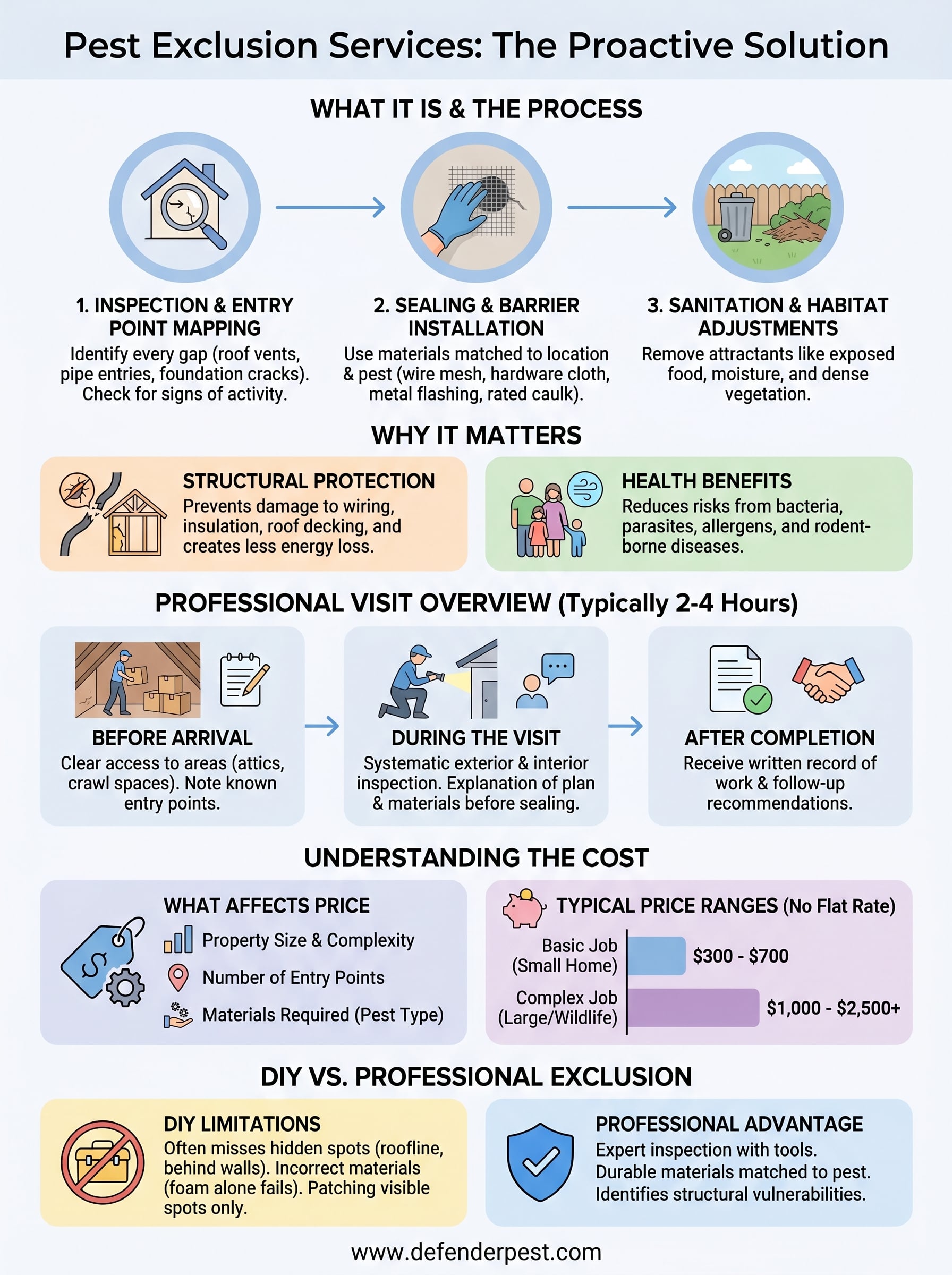
Pest exclusion services cover more than stuffing steel wool into a hole and calling it done. A proper exclusion job involves a structured process: identifying every entry point pests use , understanding what draws them to your property, and physically closing off access without relying solely on traps or chemicals. The goal is to make your home structurally inaccessible to rodents, wildlife, and common insects so that future infestations become far less likely.
Inspection and entry point mapping
Before any sealing happens, a technician walks your property to find every gap, crack, and opening large enough for a pest to use. Mice can squeeze through a hole the size of a dime, and rats need only a space roughly the size of a quarter. That means technicians check areas most homeowners overlook, including roof vents, pipe penetrations, garage door gaps, crawl space openings, and foundation cracks . The inspection also looks for signs of current activity like droppings, grease marks, and gnaw damage to confirm which entry points are already in active use .
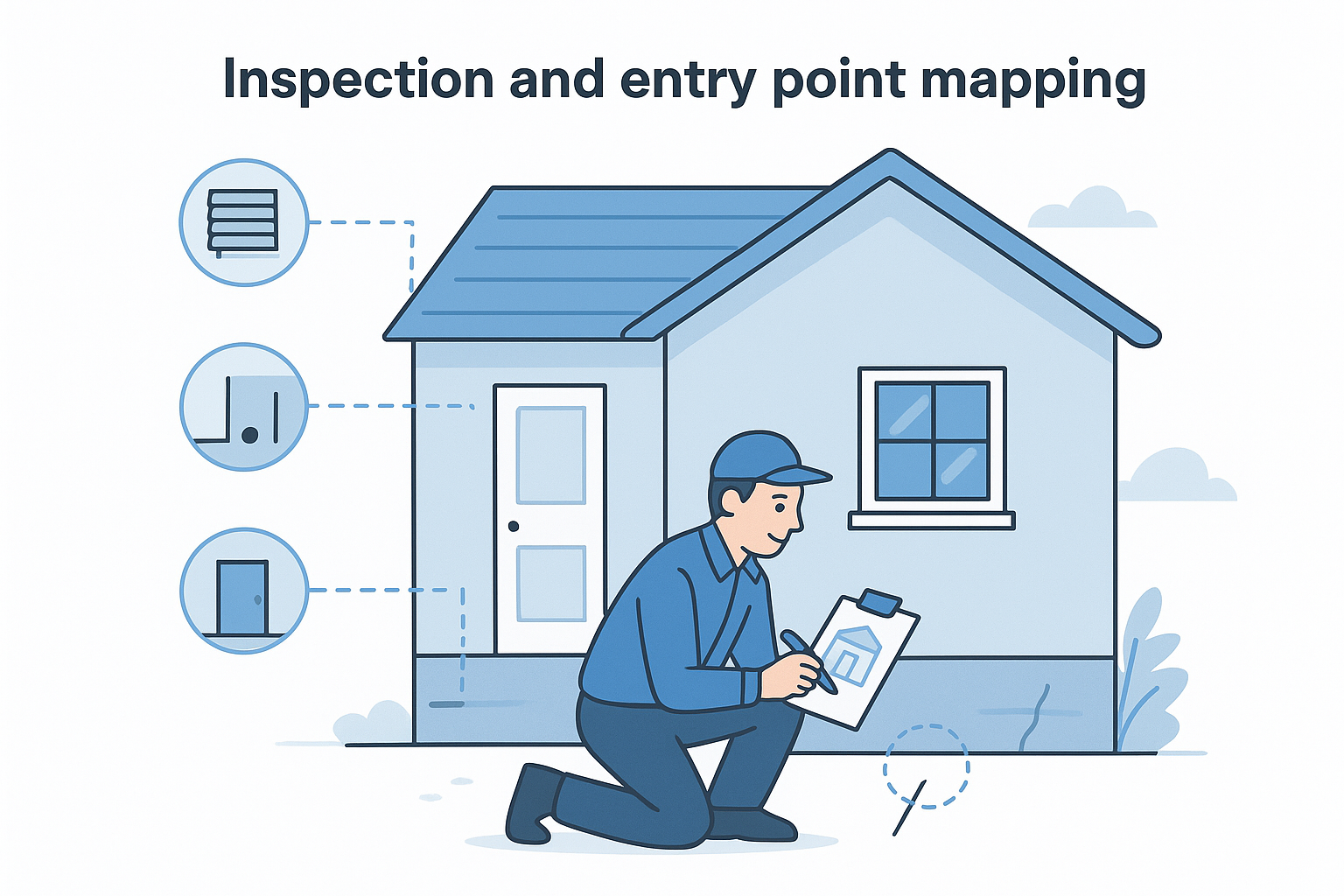
A thorough inspection is the foundation of any exclusion job. Missing a single entry point gives pests a path right back in.
Sealing and physical barrier installation
Once entry points are mapped, the physical work begins. Technicians use materials matched to the location and the specific pest rather than applying one product everywhere. Common materials include heavy-gauge wire mesh, galvanized hardware cloth, metal flashing, and caulk rated to resist chewing. Foam sealant alone rarely holds against rodents since they can chew through it quickly, so it's typically paired with a harder backing material. Roof and attic gaps often get screened covers, while crawl space openings get hardware cloth secured with screws for a more permanent hold.
Sanitation and habitat adjustments
Physical barriers address the entry points, but removing attractants is equally important to a result that actually lasts. A complete exclusion plan includes specific recommendations for eliminating the conditions that make your property appealing in the first place. That means addressing exposed food sources, excess moisture under or around the structure, dense vegetation pressed against the building, and unsecured garbage storage . Some technicians also clear existing nesting material from crawl spaces and attics during the job so incoming pests don't inherit a ready-made shelter. These habitat adjustments work alongside the physical barriers to reduce pest pressure on your property over time.
Why pest exclusion matters for homes and buildings
Traps and chemical treatments remove the pests already inside, but they do nothing to stop the next wave. Without addressing how pests enter , you're stuck in a cycle of repeated treatments that costs money without fixing the underlying problem. Pest exclusion services break that cycle by targeting the structural vulnerabilities that make your home accessible in the first place, which is what makes exclusion work a smarter long-term investment than ongoing reactive treatment alone.
Structural damage compounds over time
Rodents and wildlife don't just pass through your walls, they actively chew, gnaw, and nest once they're inside. Rats chew through electrical wiring, which creates a real fire hazard. Mice shred insulation for nesting material, reducing your home's energy efficiency. Raccoons and squirrels tear through roof decking and attic insulation when they establish a den. The longer an infestation goes undetected, the more extensive the damage becomes, and structural repairs add up quickly. Sealing entry points before or immediately after an infestation prevents that damage from escalating further.
Structural damage caused by rodents can run into thousands of dollars in repairs, far exceeding the cost of exclusion work done early.
Health risks tied to pest access are significant
Pests that enter your home carry bacteria, parasites, and allergens that affect the people living inside. Rodent droppings and urine contaminate surfaces and can trigger respiratory issues, particularly in children. Hantavirus, leptospirosis, and salmonella are all documented risks tied to rodent activity inside structures. Beyond rodents, cockroaches and certain insects that find their way inside through gaps can worsen asthma and allergy symptoms over time. Closing off entry points reduces the chance that your home's interior becomes a habitat for pests carrying these risks in the first place.
How a professional exclusion visit works
When you schedule pest exclusion services, knowing what to expect helps you prepare and evaluate the quality of work you're receiving. A professional visit typically runs two to four hours depending on the size and complexity of your property , though homes with extensive entry points or large crawl spaces can take longer.
Before the technician arrives
You can do a few things to make the visit more productive. Clear access to crawl spaces, attics, and utility rooms before the appointment so the technician can move through the property without delays. If you've noticed specific areas where pests enter or where you've spotted droppings, note those locations ahead of time so you can point them out during the walkthrough. That information speeds up the inspection and helps confirm what the technician finds independently.
What happens during the visit
The technician starts with a systematic perimeter inspection , working around the exterior of the structure before moving inside. They document entry points, look for signs of active use, and assess which materials each repair requires. After completing the inspection, they walk you through the findings and explain what they plan to use at each location and why before any sealing work begins.
Ask your technician to walk you through each entry point they identify. That step alone tells you a lot about the quality of the company you've hired.
Once sealing starts, the technician works through each point using the material suited to that specific location and pest type. At the end of the visit, a thorough technician leaves you with a written record of the work completed along with clear recommendations for follow-up , whether that means returning to check traps, making habitat adjustments on your end, or scheduling a follow-up inspection in a few weeks.
How Much Pest Exclusion Services Cost
Pest exclusion services vary quite a bit in price, and that range exists for good reason. The size of your property, the number of entry points, and the materials required all affect the final number. There's no single flat rate that applies to every job, which is why reputable companies complete a thorough inspection before quoting a price.
What Affects the Price
Several factors push the cost up or down depending on your specific situation. Larger homes with multiple access points take more time and materials to seal properly, which raises the total. Crawl space access, roof line gaps, and damaged siding add complexity that a simple perimeter seal doesn't require. The pest type matters too since wildlife exclusion often involves heavier-gauge materials and more reinforced installation compared to rodent work on a smaller home.
Getting a quote without an inspection first is a red flag. A company that prices the job before seeing your property is guessing, not estimating.
Typical Price Ranges
Basic exclusion work on a standard single-family home in the Sacramento area generally runs between $300 and $700 for a focused job covering a manageable number of entry points. Larger or more complex properties with significant gaps across multiple roof zones, a full crawl space, and garage penetrations can run $1,000 to $2,500 or more depending on scope. Wildlife exclusion, which often involves larger openings and heavier sealing materials, tends to sit toward the higher end of that range.
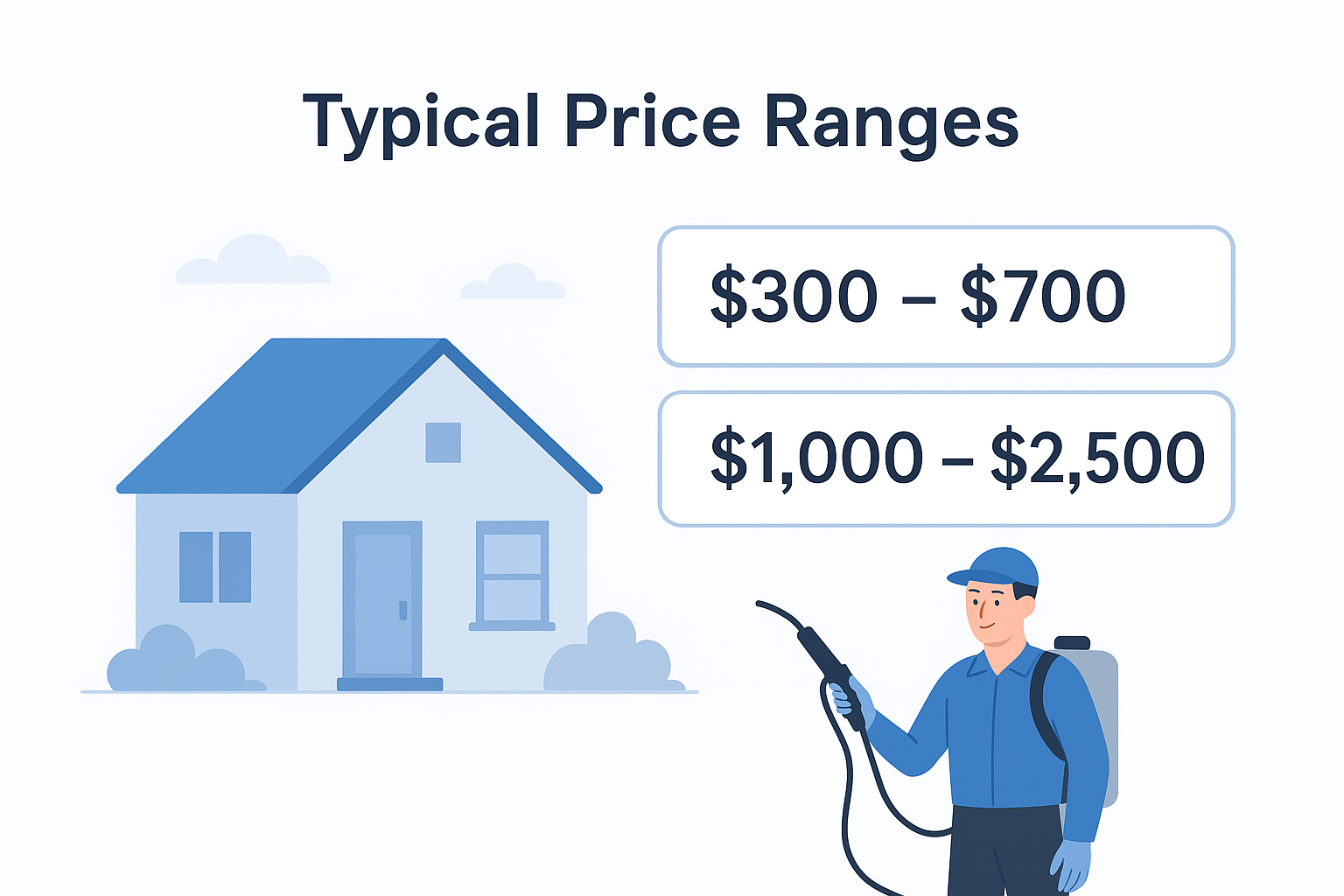
Your best move is to request an itemized estimate so you can see exactly what work the company plans to complete and what materials they'll use at each location. That level of detail makes it easier to compare quotes from different providers and spot any gaps in coverage before work begins.
DIY vs professional exclusion in Sacramento area
Hardware store trips and YouTube tutorials can handle minor gaps around a dryer vent or a small hole along a baseboard . But most homeowners underestimate the full scope of the problem , and that's where DIY exclusion work tends to break down. The Sacramento area's climate, with warm dry summers and wet winters, pushes rodents and pests to seek shelter inside structures, which puts real pressure on any barrier you install on your own.
Where DIY falls short
The biggest problem with DIY exclusion isn't motivation, it's experience and the right materials for each location . Most people patch the spots they can see and miss the ones they can't. Roof line gaps, pipe penetrations through the subfloor, and unsealed utility chases behind walls are consistent blind spots for homeowners working without proper inspection tools or experience on similar structures.
Common DIY mistakes that lead to repeat infestations include:
- Using foam sealant alone without a hard backing material that resists chewing
- Missing entry points above the roofline or along the fascia boards
- Skipping habitat adjustments that reduce pest pressure on the structure
A patch that looks solid from the ground often leaves a gap that a mouse can push through with almost no effort.
When professional work makes sense in Sacramento
Professional pest exclusion services become the practical choice when you're dealing with active rodent activity, a large structure, or repeated infestations that DIY work hasn't resolved. A trained technician brings inspection equipment, materials matched to each specific entry point , and the experience to identify vulnerabilities that wouldn't occur to someone without field experience.
Sacramento's older housing stock, particularly neighborhoods with raised foundations and aging wood siding , tends to have far more entry points than newer construction. That complexity makes a professional inspection worth the investment, especially if you've already spent money on traps and bait stations without seeing lasting results.
Next Steps
Pest exclusion services work best when you act before an infestation gets worse or repeats itself. If you've spotted rodent droppings, heard scratching in the walls, or noticed signs of wildlife activity around your property, that's your signal to get a professional inspection scheduled rather than wait and see. The longer entry points stay open, the more structural damage and health risk you're taking on inside your home.
Your next step is simple: contact a company that handles both the inspection and the physical sealing work with documented results. At Defender Termite and Pest Management , we've been protecting Sacramento-area homes since 1999, and our team brings real experience in identifying the entry points that most homeowners miss. We back our exclusion work with the same attention to detail we apply to every job on our schedule. Request a pest exclusion estimate from Defender Termite & Pest Management and get a clear picture of what your property needs.