
How To Get Rid Of Mice In The Walls Fast Step-By-Step Guide
You hear scratching behind the drywall at 2 a.m., and you already know what it is. Figuring out how to get rid of mice in the walls is one of the most common, and most frustrating, problems homeowners in Sacramento deal with, especially as temperatures drop and rodents look for warm shelter inside your home .
Mice inside wall cavities aren't just unsettling. They chew through electrical wiring, contaminate insulation with droppings, and can cause real structural damage over time. The longer they stay, the harder they are to remove, and the bigger the mess they leave behind. At Defender Termite & Pest Management, we've handled rodent problems across the Greater Sacramento area since 1999 , so we know exactly what works and what doesn't.
This step-by-step guide walks you through identifying the signs, choosing the right removal methods , and sealing your home so mice don't come back. Whether you're handling this yourself or deciding it's time to call in a professional , you'll have a clear plan by the end.
Before you start: identify mice and protect your home
Before you take any action, you need to confirm that mice are actually living in your walls and not just passing through. Knowing what you're dealing with helps you choose the right approach and avoid wasting time on methods that won't work for your specific situation. Rushing in without a clear picture often means the problem drags on longer than it needs to.
Recognize the signs of mice in walls
Mice leave behind clear evidence if you know what to look for. The most common signs include scratching or scurrying sounds inside walls , especially at night when mice are most active. You might also notice small, dark droppings near baseboards, inside kitchen cabinets, or along wall edges. A strong, musty urine odor concentrated in a specific part of your home is another strong indicator that mice have established nesting spots inside your walls.
If you find gnaw marks on baseboards, electrical wiring, or pipe insulation, treat it as urgent. Chewed wiring is a direct fire hazard.
Other signs worth checking for:
- Grease marks or dark smudges along baseboards, left by mice traveling the same path repeatedly
- Shredded insulation, paper, or fabric pulled into wall gaps or near vents
- Pets pawing at walls or staring at baseboards for extended periods
Protect yourself before you begin
Mice carry hantavirus, salmonella, and other pathogens through their droppings, urine, and nesting material. Before you handle any traps or inspect contaminated areas, put on nitrile gloves and an N95 respirator mask to avoid inhaling airborne particles. The CDC recommends wetting droppings with a disinfectant spray before wiping them up rather than sweeping or vacuuming, since dry droppings release particles into the air when disturbed.
Your children and pets should stay out of any areas where you plan to set traps or place rodenticide bait. Taking these safety steps upfront protects your household while you work through how to get rid of mice in the walls the right way.
Step 1. Pinpoint where the mice are active
Knowing exactly where mice are living inside your walls saves you significant time and money. Placing traps in the wrong locations means fewer catches and a longer infestation. Before you set a single trap, spend an evening listening carefully and marking active zones on a rough sketch of your floor plan .
Listen and map the activity
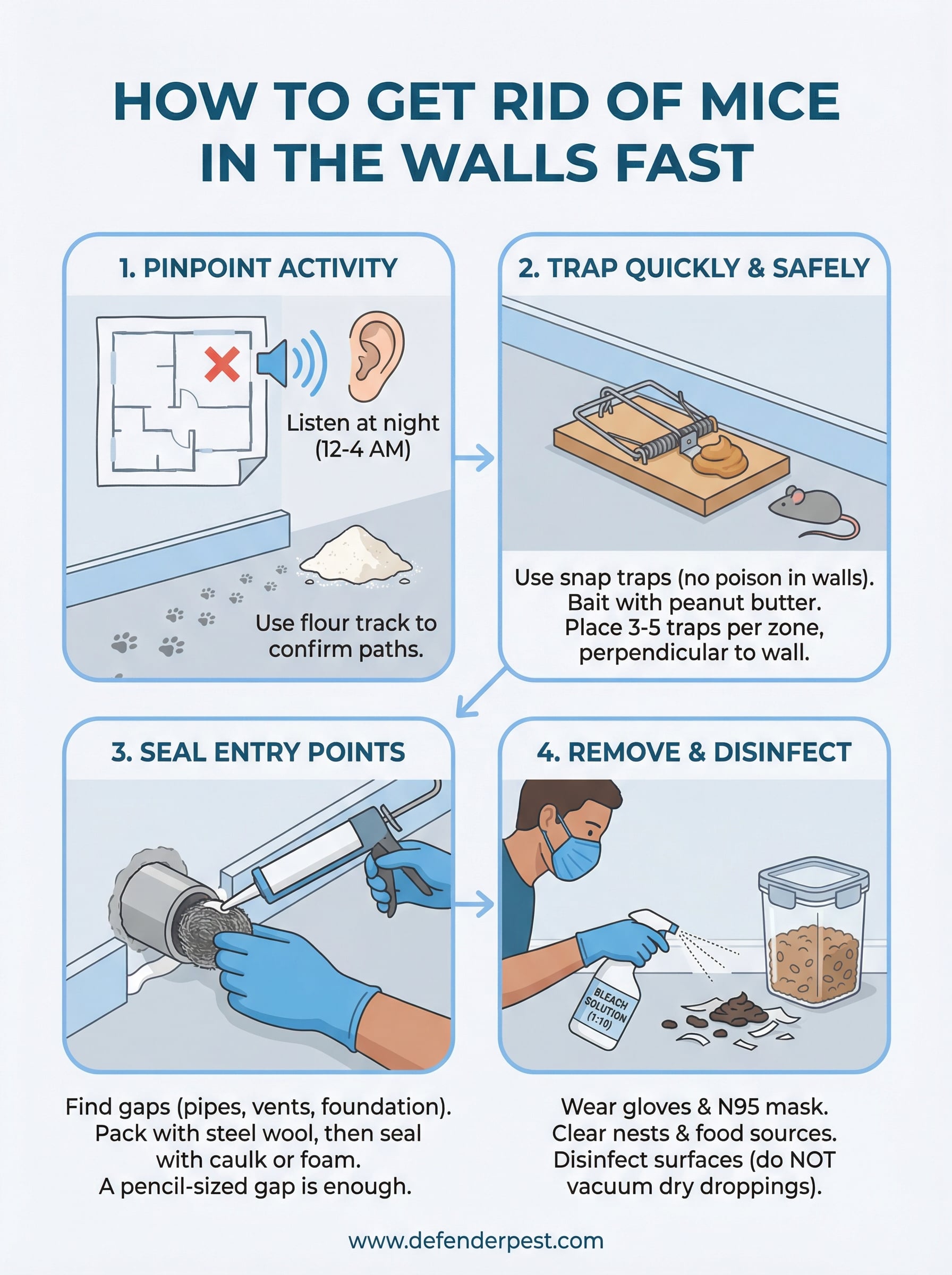
Start by walking through your home after dark. Mice are most active between midnight and 4 a.m. , so that's when sounds are clearest. Press your ear against walls in the kitchen, laundry room, and basement, since these areas provide food access, water sources, and warmth that mice prioritize. Mark every wall section where you hear movement.
Write down the rooms and approximate heights where you hear scratching. This map guides exactly where to focus your trapping efforts.
Use a flour or powder track
Spread a thin line of all-purpose flour along the base of walls in suspected areas and check it the next morning. Tiny footprints confirm which walls have active mouse traffic , so you know where to concentrate your traps.
This method is one of the most reliable low-cost detection steps for figuring out how to get rid of mice in the walls before committing to a full removal plan. Focus your investigation on these three spots first:
- Behind kitchen appliances and under the sink
- Along the garage-to-house wall junction
- Near utility lines entering through the foundation
Step 2. Trap mice quickly and safely
Once you know where mice are active , trapping is your fastest path to removing them. Skip rodenticide bait inside walls as a first step, since a mouse that dies in a wall cavity creates a foul odor and a much harder cleanup problem. Snap traps and live traps keep the mess manageable and give you visible confirmation that you're making progress.
Choose the right trap type
Your trap choice matters more than most people realize. Snap traps remain the most effective and widely recommended option for mice because they kill instantly and are easy to reset. Live traps work if you prefer to release mice far from your home, but you need to check them every few hours to avoid stressing or killing the caught animal. Here's a quick comparison to help you decide:
| Trap Type | Best For | Key Drawback |
|---|---|---|
| Snap trap | Fast removal, high catch rate | Requires disposal of dead mice |
| Live trap | Humane removal preference | Needs frequent checking |
| Glue board | Monitoring activity | Inhumane, not recommended for removal |
Bait snap traps with peanut butter or a small piece of chocolate, both of which attract mice far more reliably than cheese.
Place traps correctly
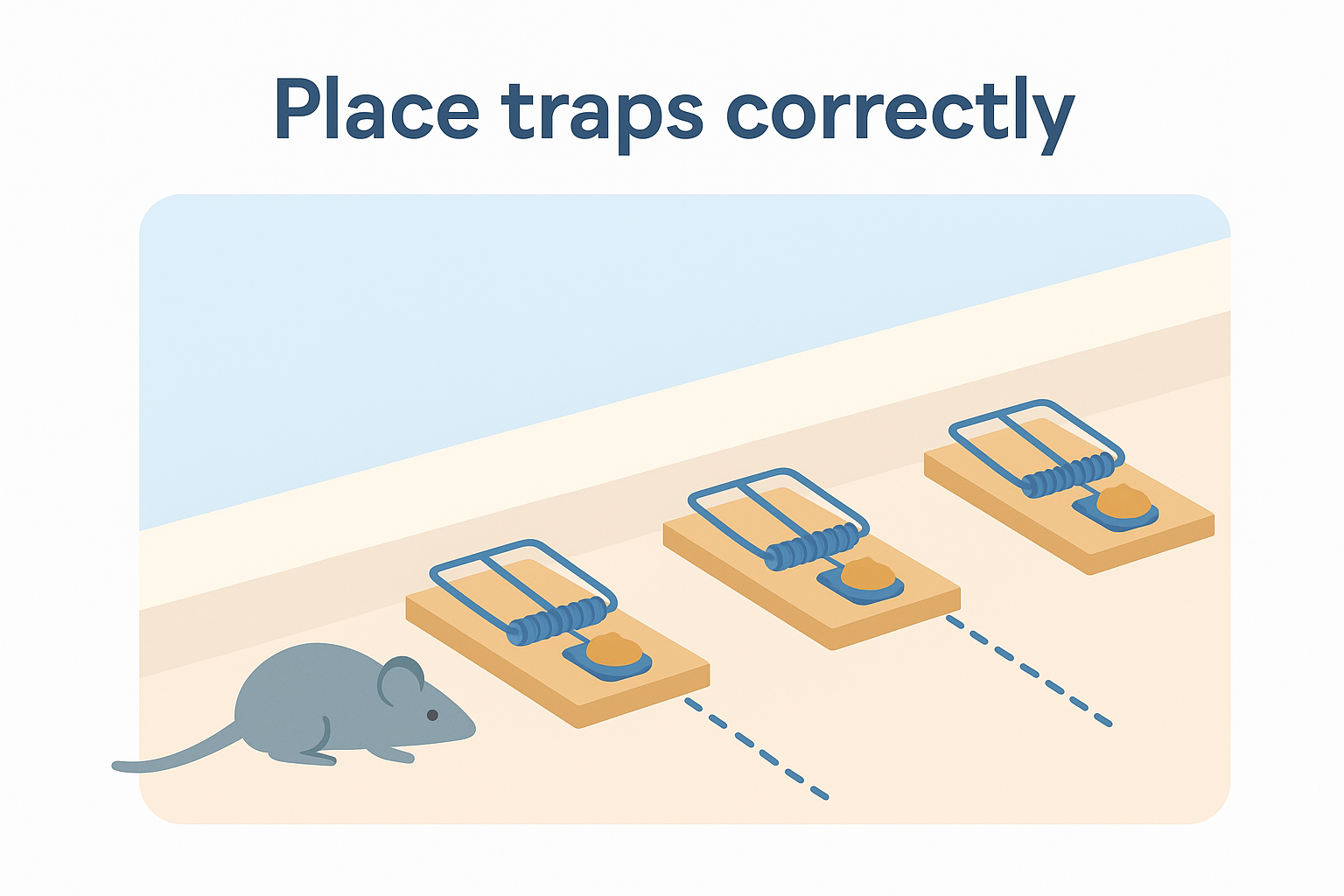
Set traps perpendicular to the wall with the bait trigger touching the baseboard. Mice run along wall edges, so this position puts the trigger directly in their path. Knowing how to get rid of mice in the walls means placing three to five traps per active zone rather than just one or two.
Step 3. Seal entry points the right way
Trapping removes the mice already living inside your walls, but sealing entry points is what stops new mice from moving in . If you skip this step, you're solving only half the problem. Mice can squeeze through a gap as small as a dime-sized opening , so finding and closing every access point is non-negotiable before you consider the job done.
Find every gap mice use to enter
Walk the exterior of your home and inspect every point where utilities, pipes, or cables enter the structure. Common entry points include gaps around plumbing pipes, dryer vents, HVAC lines, and foundation cracks. Inside, check where walls meet floors in the garage, basement, and crawl space. Understanding how to get rid of mice in the walls means recognizing that mice travel through wall cavities because they entered somewhere at the foundation or roofline first.
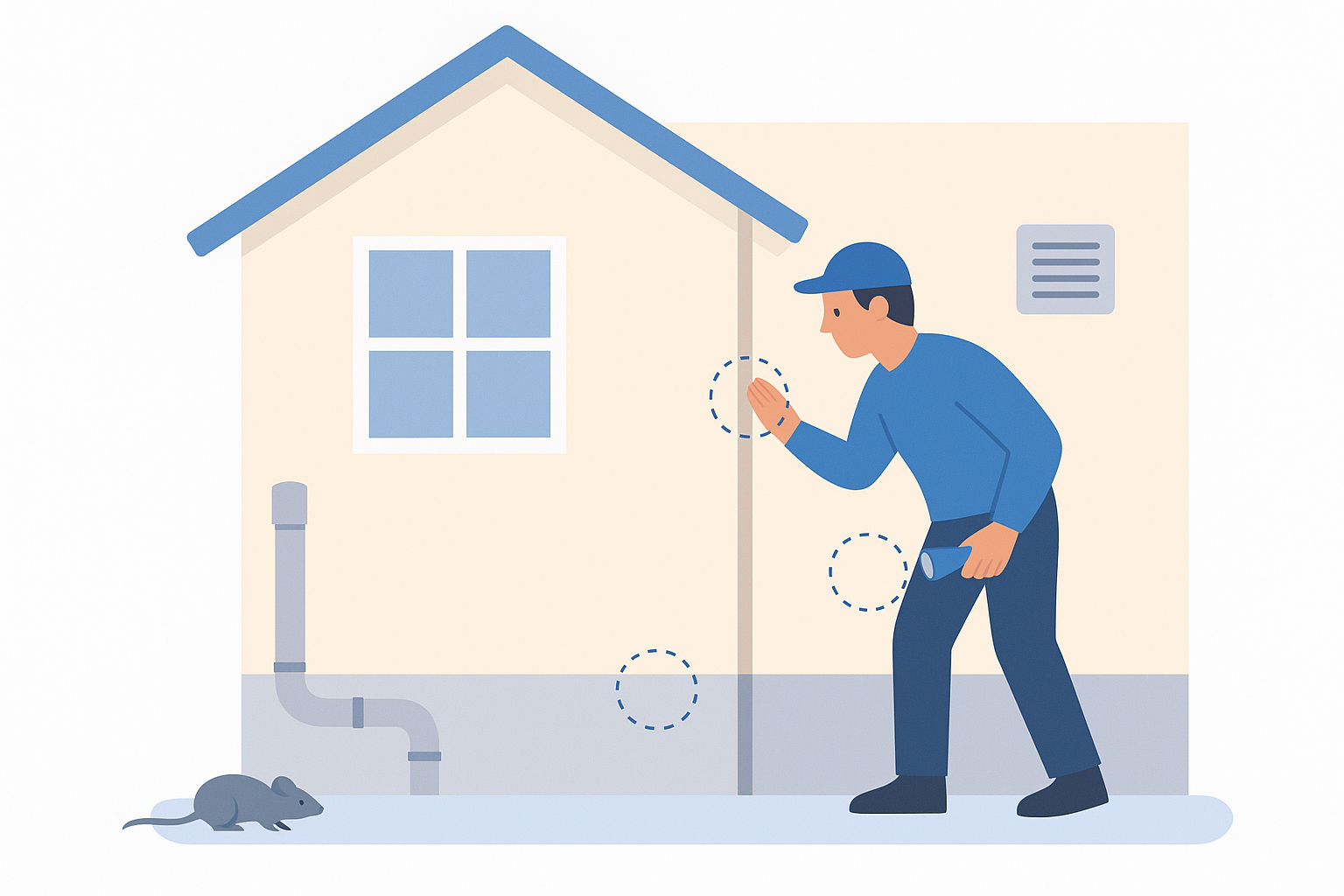
A mouse can compress its body to fit through any gap wide enough to slide a pencil through.
Specific spots to inspect and seal:
- Pipe penetrations under sinks and behind appliances
- Gaps around electrical conduit entering the foundation
- Cracks between the sill plate and the foundation wall
- Openings around dryer vents and HVAC line sets
Use the right materials to seal gaps
Steel wool packed tightly into a gap stops mice immediately because they cannot chew through it. Follow up with expanding spray foam or caulk layered over the steel wool to lock it in place and create a durable seal. Foam alone is not enough since mice chew through it without much effort.
Step 4. Remove food, nests, and contamination
Trapping and sealing work together to solve how to get rid of mice in the walls , but cleaning up after them is equally important. Leftover nesting material, droppings, and food sources attract new mice and can keep your household at risk long after the infestation ends.
Clear out nesting material and food sources
Once mice are gone, check every area where you detected activity and remove any shredded insulation, paper, or fabric they used for nesting. Mice establish territories based on existing food and shelter , so eliminating both cuts off the reason for any new mouse to settle in your home.
Store all dry goods, including pet food and birdseed , in hard-sided airtight containers rather than cardboard boxes or thin plastic bags, which mice chew through without difficulty. Keep the areas under sinks, behind appliances, and along garage walls clear of clutter so you can spot new activity quickly.
Disinfect contaminated areas
Droppings and urine soak into surfaces and carry hantavirus and salmonella , so disinfection is not optional. Spray contaminated surfaces with a bleach-to-water solution (1 part bleach, 10 parts water) and let it sit for five minutes before wiping with disposable paper towels.
Never vacuum or sweep dry droppings, since the disturbed particles become airborne and can be inhaled directly.
Place all contaminated wipes and nesting debris into sealed plastic bags and put them directly in an outdoor trash bin rather than an indoor waste basket.
Keep them from coming back
Knowing how to get rid of mice in the walls is only half the job. Long-term prevention comes down to consistent habits rather than a one-time fix. Walk the perimeter of your home every fall before temperatures drop, inspect for new gaps, and re-check any seals you applied previously, since materials like caulk crack over time and steel wool can shift.
Keep firewood stacked at least 20 feet from your house , trim shrubs away from the foundation, and fix any drainage issues that create moisture near the structure. Mice gravitate toward water and shelter, so removing both cuts your exposure significantly.
If you follow every step in this guide and still hear activity inside your walls, the infestation is likely larger or more established than standard DIY methods can handle . At that point, the fastest move is to contact a licensed professional. Get a rodent control estimate from Defender Termite & Pest Management and stop the problem before it gets worse.