Eco Friendly Pest Control Near Me: 5 Choices in Sacramento
The best eco friendly pest control near me is a licensed company that inspects first, seals entry points, uses the lowest-risk product that actually works, and tells you exactly what it applied. For most Sacramento-area homes, that means a local full-service company like Defender. Botanical specialists suit light problems and households with strict product limits. Exclusion specialists suit rodent problems. Nationwide green plans suit people who want one brand and a fixed schedule.
The hard part is that "eco friendly" has no standard meaning on the side of a service van. One company means essential oils and nothing else. Another means the usual spray under a friendlier label. Meanwhile you have kids, a dog, or a vegetable bed, and ants are already in the kitchen.
This article compares five kinds of provider you can hire in Sacramento, Roseville, Folsom, Elk Grove and Vacaville. For each one you get how it works, who it suits, and what to watch for. A final section gives you a side-by-side table and the questions that separate real green service from marketing. Defender is first because it is our company, and we will be straight about where it fits and where it does not.
1. Defender Termite & Pest Management
How it works
Defender is a local, family-owned company in Sacramento that has operated since 1999. It grew out of real estate inspection and construction work, and that shows in the method. A thorough inspection of your home and yard comes first, then a customized plan instead of a blanket spray. Residential plans cover the interior and exterior, include removal of accessible spider webs every other month, and run monthly or bimonthly. The management plan activates 30 days after the initial treatment.
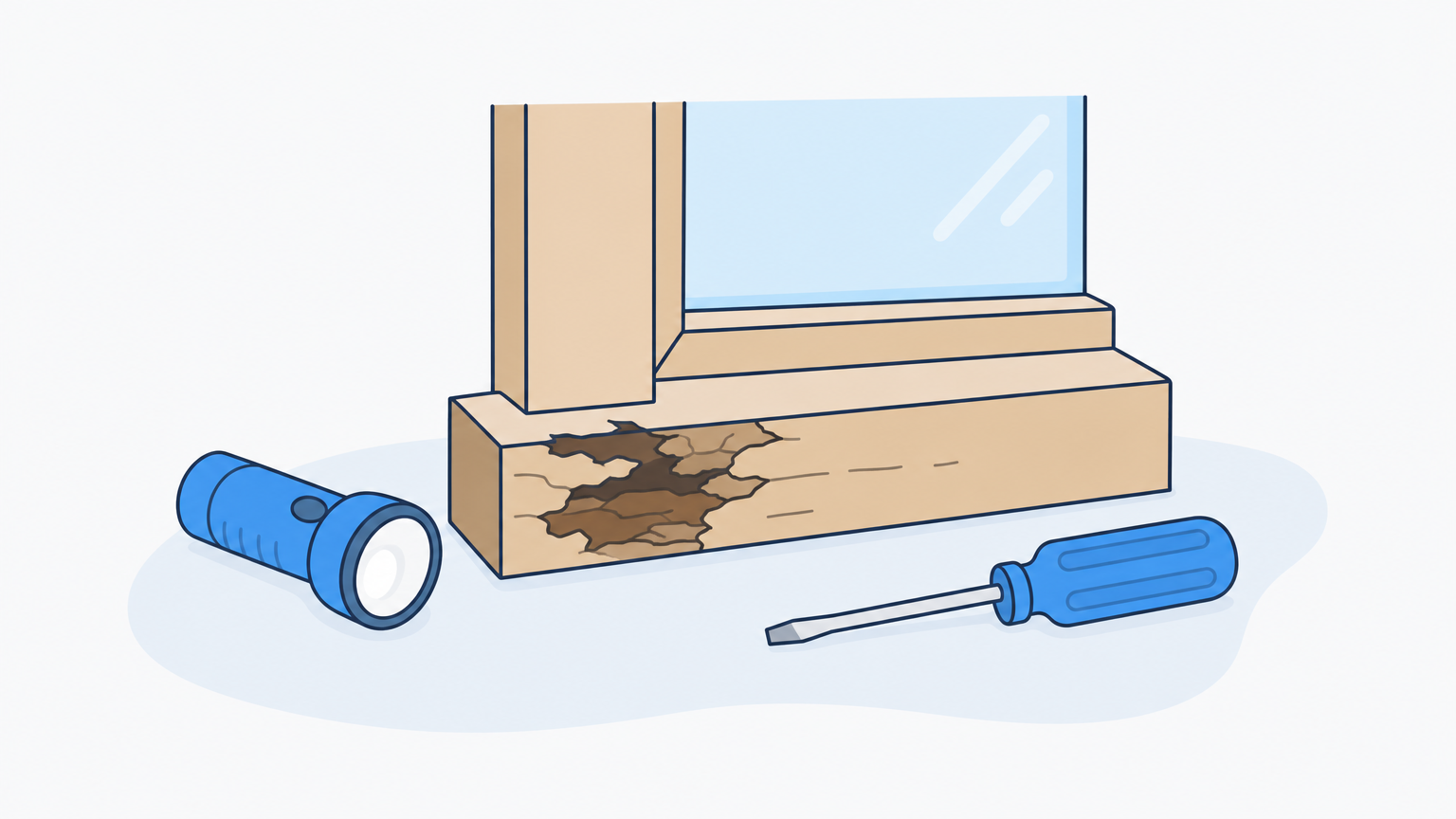
Termite work follows the same logic. The termite services detect, eliminate and prevent infestations using eco-friendly solutions, and you get a comprehensive report with pictures afterward. Defender also repairs the damage, including dry rot in most cases, and backs wood repair with a one year warranty. Rodent control adds inspection, exclusion, and complete insulation removal, disinfection and reinstallation.
A provider that inspects and seals entry points first needs less product, and less product is the most reliable form of eco friendly.
Who it suits and what to watch
This option fits homeowners and landlords who want one local company for pests, termites, rodents and wood repair. It also fits buyers and sellers who need a termite report and repairs before closing. Defender is licensed and insured, offers 24/7 emergency service, and backs its residential, termite and restaurant programs with a pest free guarantee. Call (833) 878-PEST (7378) to book.
Know the limit. Defender is a full-service pest company, not an organic-only specialist. If you want strictly botanical products, say so when you request a quote and ask what will go on your property. If fumigation is recommended for termites, Defender subcontracts it to a reputable fumigation company. Ask why it is needed and whether a localized treatment could handle the problem first.
2. Botanical and organic pest specialists
How it works
Botanical specialists treat with plant-derived products such as essential oils, along with low-toxicity materials like boric acid or diatomaceous earth. These products break down quickly in sunlight, air and moisture. That means little residue in soil and water, but also little lasting protection, so expect more frequent visits , often every month or two.
They work best on ants, spiders, earwigs, silverfish and similar nuisance pests, especially as prevention. A heavy cockroach infestation, a rat problem or active termites usually needs more than plant oils can deliver.
Botanical treatments work best as prevention and for light infestations, not as a rescue for a heavy one.
Who it suits and what to watch
Choose this route if you have infants, a household member with chemical sensitivities , or a garden you eat from. It also suits pet owners who want the gentlest option for routine maintenance and accept a narrower range of pests.
Natural does not mean harmless. Neem oil can harm fish and bees, and pyrethrins, which come from chrysanthemum flowers, are toxic to bees and aquatic life. Ask the technician to keep products away from ponds, fish tanks and flowering plants, and to show you the label. Botanical service also often costs more than conventional service, and the visit schedule adds up, so compare annual cost, not per-visit price . Ask what the company does if botanicals fail on your pest.
3. Third-party certified green companies
How it works
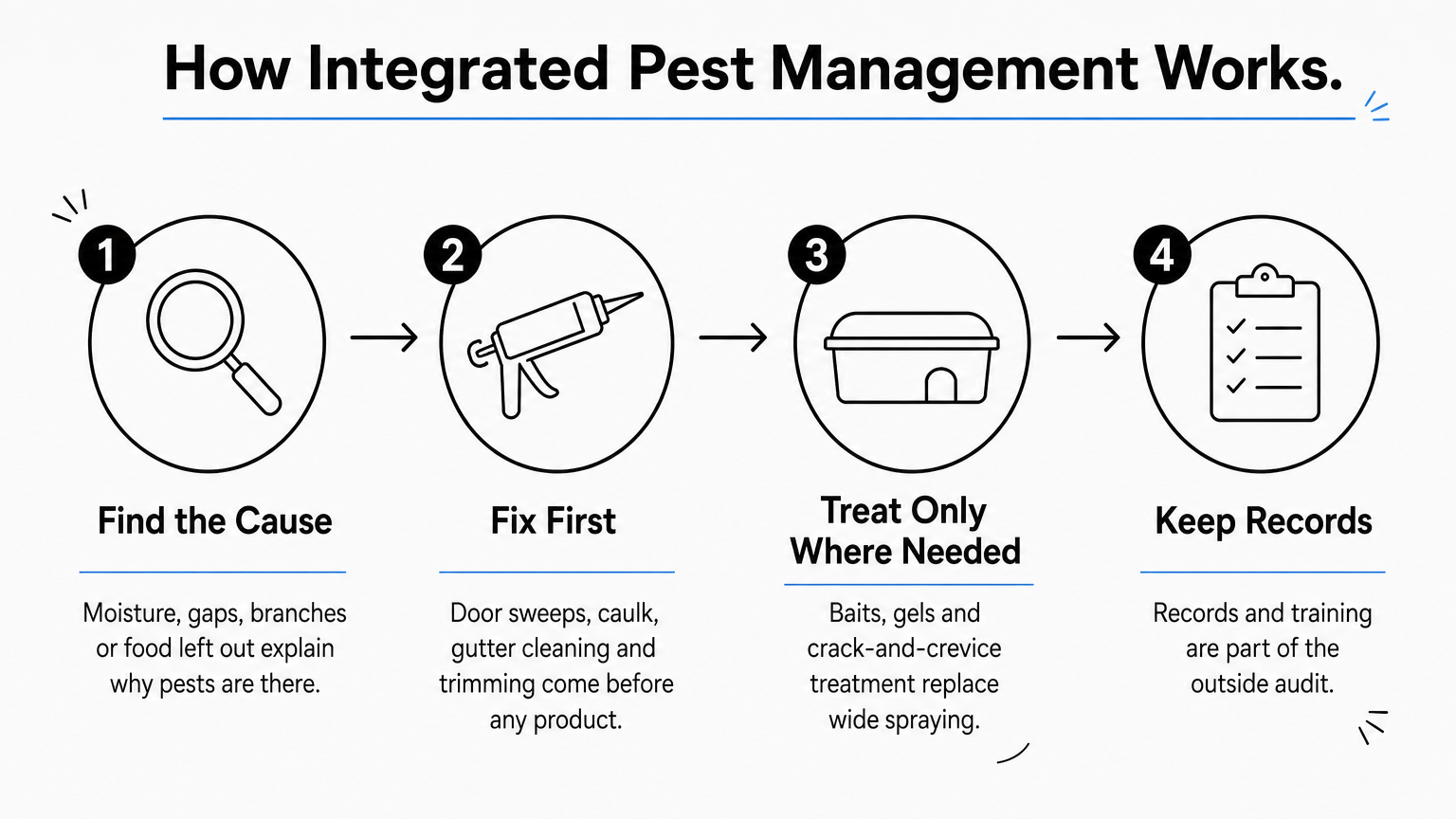
These are pest companies audited by an outside body against a pest management standard, such as Green Shield Certified , rather than companies that simply call themselves green. The standard centers on integrated pest management(IPM) . The technician finds why pests are there, whether that is moisture, gaps under doors, branches touching the roof or food left out. Fixes come first: door sweeps, caulk, gutter cleaning, trimming.
Chemistry is the last step and stays targeted. That means baits, gels and crack-and-crevice treatment instead of wide spraying. Product choice follows the pest and the risk, so the program may include conventional low-risk products alongside botanical ones. Records and training are part of the audit.
Certification replaces a company's promise with an outside check, which is the closest thing to proof that "green" has.
Who it suits and what to watch
This is the right pick if you want evidence rather than assurances . It suits homeowners with ongoing ant, roach or spider problems, and property managers who need documentation. Ants that move indoors during dry summer heat are a classic IPM case, because the fix is sealing and sanitation as much as treatment.
The catch is supply. Certified companies are fewer, and one may not serve your neighborhood. A certificate also covers the company, not every technician on every visit. Ask to see the current certificate and ask how it applies to the plan you are quoted. Treat any company that uses "IPM" but cannot describe its inspection steps with caution.
4. National franchise green plans
How it works
Large national brands often sell a branded "green" or "natural" plan alongside their standard service. The plan usually uses lower-risk products on a set schedule , commonly quarterly, and follows corporate protocols. Scheduling, billing and customer service run through a central system and often an app.
The technician follows the plan as written, so results depend on how closely that plan matches your property and your pest. The plan itself may differ from the standard one only in a few products, so ask what actually changes.
A green plan from a big brand is only as green as the difference between it and the standard plan.
Who it suits and what to watch
This option suits people who value predictable pricing, brand backing and consistent scheduling . It also suits anyone who moves between cities and wants the same provider in each. If you dislike calling around for quotes, a single national account is convenient.
Watch for less customization and for technician turnover, which can mean a different person each visit. Read the contract terms before you sign, especially cancellation and auto-renewal. Ask whether the green plan is a separate program or a relabeled standard one. Then ask the same product questions you would ask a local company. A big name does not exempt a provider from showing you what goes on your home.
5. Exclusion-first rodent specialists
How it works
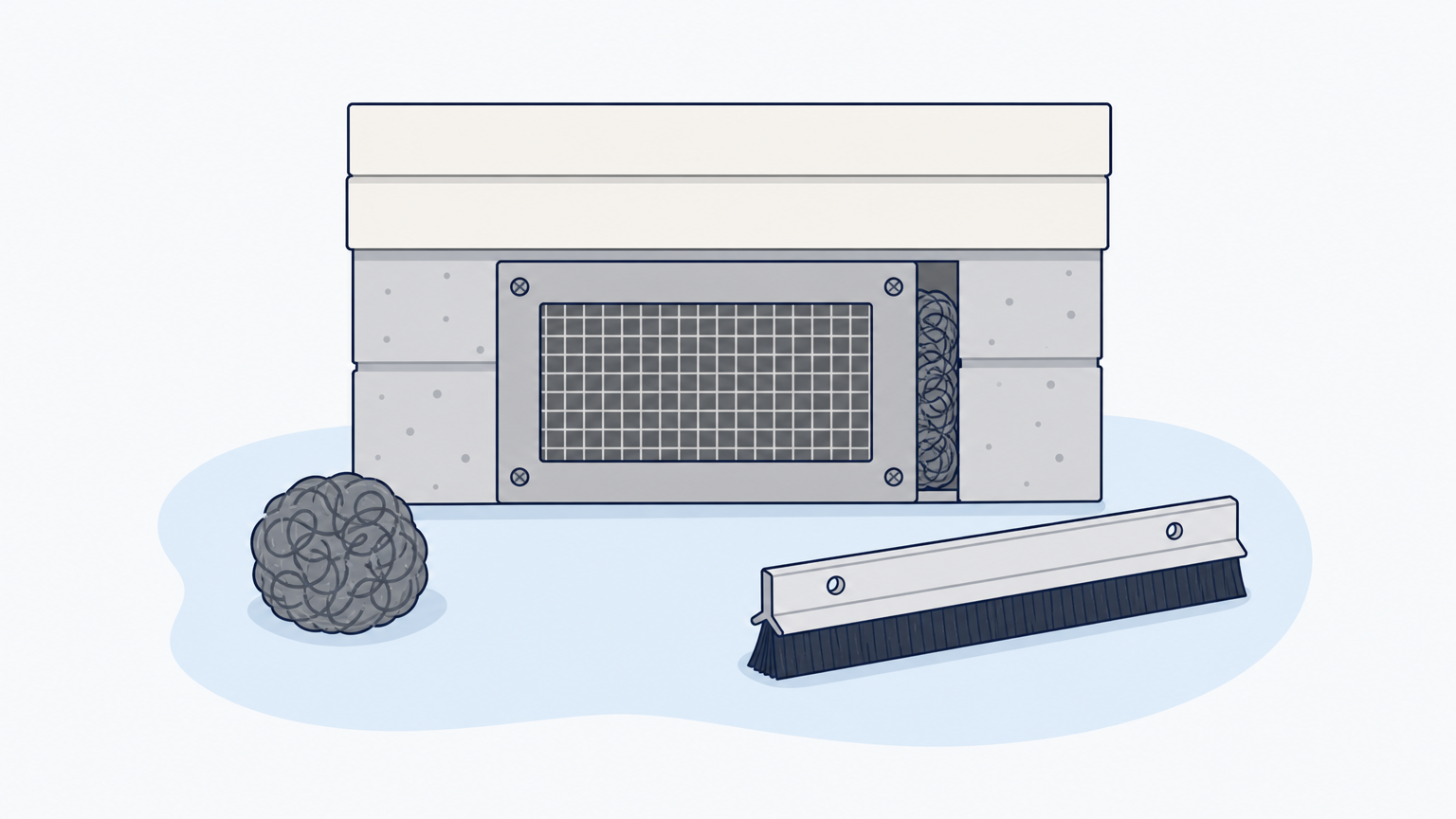
Exclusion specialists keep rodents out instead of poisoning them. They inspect the whole exterior and seal every gap , because a mouse can squeeze through an opening of about a quarter inch. Typical fixes include steel wool or copper mesh in small holes, hardware cloth over vents, door sweeps, and repairs at the roofline and foundation.
Snap traps, and sometimes enclosed bait stations, handle the rodents already inside. Cleanup matters as much as trapping. Droppings and nesting material carry contamination, so a thorough job includes disinfection and, when insulation is soiled, replacement. Defender's rodent control follows the same exclusion, repair and insulation steps.
Rodents that cannot get in do not need to be poisoned, so sealing is the greenest rodent treatment.
Who it suits and what to watch
This is the right choice for noises in the attic or walls , droppings in the garage, or a home next to open land or a creek. It also suits pet owners who worry about bait. Strong anticoagulant rodent poisons can harm owls, hawks and pets that eat poisoned rodents, which is why California has tightened its rules on the strongest ones.
Exclusion costs more up front than a bait station, and it only works if the inspection finds every entry point. It also does nothing for ants or termites. Ask whether any bait is used and in what kind of tamper-resistant station. Ask for a written warranty on sealed entry points and a clear description of cleanup.
How to compare providers and vet green claims
Side-by-side comparison
The five options solve different problems, so the best match depends on your pest and your priorities. Use the table as a first filter, then call two or three providers.
| Option | Best for | Main method | Main trade-off |
|---|---|---|---|
| Defender | Pests, termites, rodents and wood repair from one local team | Inspection first, customized plan | Not an organic-only specialist |
| Botanical specialists | Light infestations, strict product limits | Plant-derived products | Short protection, higher cost, limited on heavy problems |
| Certified green companies | Verifiable standards | Audited IPM program | Fewer providers, availability varies |
| National green plans | Predictable service and pricing | Standard protocols, set schedule | Less customization, contract terms |
| Exclusion specialists | Rodents in or near the home | Sealing, trapping, cleanup | Upfront cost, rodents only |
Questions to ask before you book
A real eco-friendly provider answers these without hesitation. Vague answers are your signal to keep looking.
- Which pests did you find, and what caused them?
- What will you apply, where, and how much? Can I see the label or safety data sheet?
- What non-chemical steps come first, such as sealing, sanitation or trimming?
- How long should my kids and pets stay off treated areas? The label sets the re-entry time.
- Is the technician licensed? California licenses structural pest control companies through its Structural Pest Control Board, and you can look up a license on the board's website.
- What does the guarantee cover, and what happens if pests return?
- Is there a contract, and how do I cancel?
Reading reviews, quotes and the free-quote offer
Skip star averages and read what reviewers describe. The useful ones mention that the technician explained the products , came back when pests returned, and answered questions about pets. Many companies give quotes at no charge, so confirm before you book. Get at least two quotes and match them against the same scope.
Convert every quote to a yearly figure. A bimonthly plan means 6 visits a year and a monthly plan means 12. At an illustrative $90 per visit, that is $540 versus $1,080 a year. The cheaper visit price is not always the cheaper plan.
Choosing the right fit
The greenest pest control is the one that inspects first, fixes the reason pests got in, and uses the least product that solves the problem. A botanical specialist suits a light, preventive need. A certified company suits you if you want proof. An exclusion specialist suits rodents. A local full-service company suits you if pests, termites, rodents and repairs might all come up.
Whichever you pick, ask what goes on your property and get the answer in writing. If you want one Sacramento-area team that inspects your home and yard, treats with a customized plan, and can repair termite damage, request a quote from Defender and tell them eco-friendly treatment is a priority.